THE ADVENTURE COLLECTIVE® · Independent discovery and booking for outdoor travel
A quieter, drier line up Kilimanjaro: the Rongai route delivers varied ecosystems, deliberate acclimatization, and a private 7-day summit plan that balances ambition with safety. Read on for what to expect on each day and how to prepare practically for Uhuru Peak.
A quieter, drier line up Kilimanjaro: the Rongai route delivers varied ecosystems, deliberate acclimatization, and a private 7-day summit plan that balances ambition with safety. Read on for what to expect on each day and how to prepare practically for Uhuru Peak.
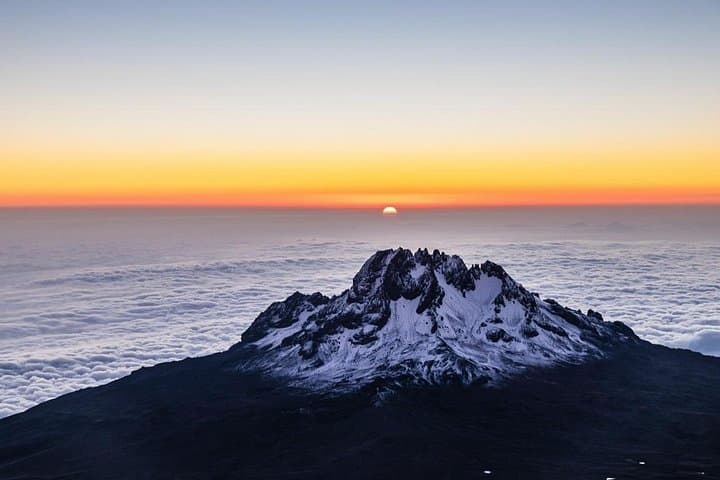
At dawn the Rongai trail opens like a door through a highland pine forest; sun slices through trunks, and the mountain’s ice-capped cone grows from distant haze to an immediate presence that guides each step.
Verified experiences and guided adventures in the surrounding area.
Operated by PINNACLE ADVENTURES & SAFARIS LTD. · Moshi, Kilimanjaro Region
At dawn the Rongai trail opens like a door through a highland pine forest; sun slices through trunks, and the mountain’s ice-capped cone grows from distant haze to an immediate presence that guides each step.
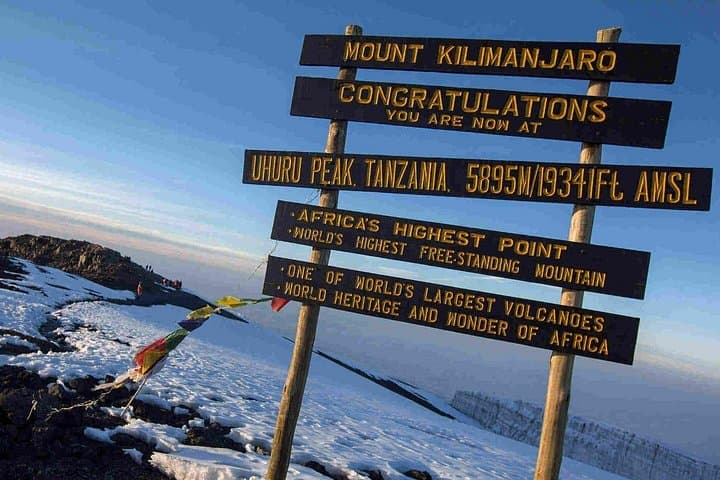
The Rongai approach rises in the rain shadow of Kilimanjaro, offering drier slopes and a quieter ascent than southern paths. Geologically, Kibo is a dormant stratovolcano crowned by the jagged rim of its crater and the highest point in Africa, Uhuru Peak (5,895 m). Cultural threads tie the mountain to the Chagga people who farm its lower flanks and to early European explorers who mapped routes here in the 19th century.
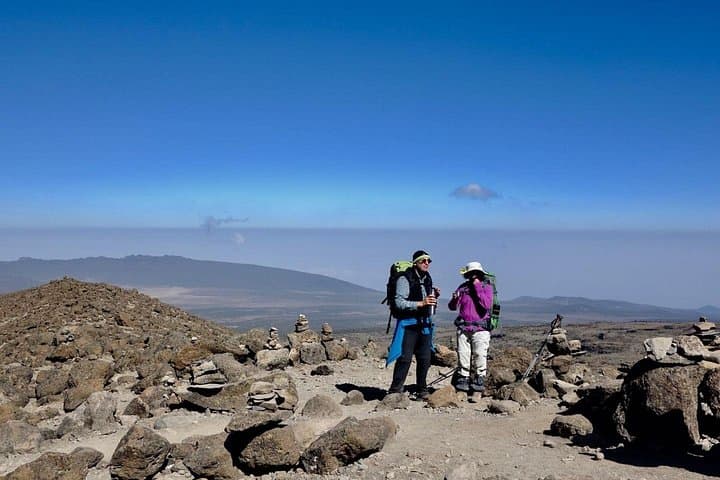
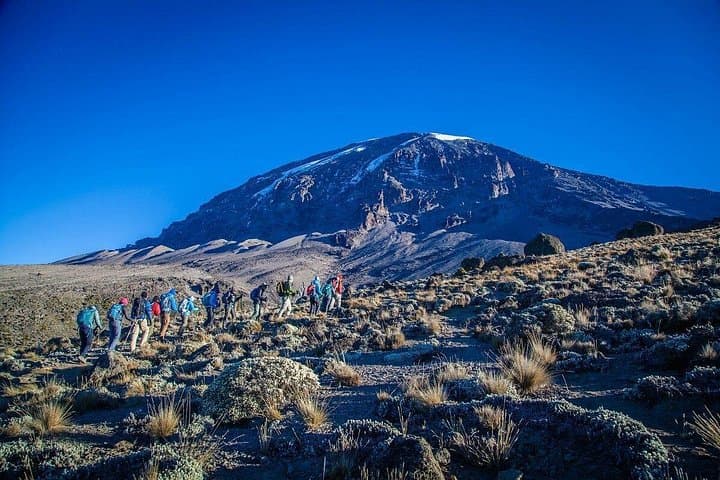
Hiking Rongai presents shifting ecosystems: montane rainforest, moorland of lobelia and senecio, then the stark Saddle — a high desert between Mawenzi and Kibo — before the lunar gravel of the final push. The ridge winds and winds again; wind and altitude insist you move deliberately. Guides and porters manage camp logistics, letting climbers focus on pacing and acclimatization.
Practically, this private 7-day itinerary spaces nights for acclimatization (Mawenzi Tarn, Kibo Hut) and uses a midnight summit bid from Kibo Hut — expect 10–12 hours on summit day with steep switchbacks and loose scree near the crater rim. Hydrate proactively, layer for severe temperature swings, and practice walking poles and headlamp use. Carry essentials: water purification, a warm sleeping bag rated to -10°C, and a lightweight down jacket. Allow time in Moshi before and after the climb, and budget a respectful tip for the crew on descent — it’s part of the mountain’s operating economy.
It’s challenging due to altitude and long summit day; the itinerary builds acclimatization days to improve success for fit hikers.
No technical climbing gear is required; this is non-technical trekking, though crampons are not normally needed for Rongai/Kibo in the standard season.
Qualified mountain guides, assistant guides, porters, cooks, tents, mattresses, and meals are included; emergency oxygen and a basic first-aid kit are provided for safety.
Rongai is popular in wetter months since it sits in the drier rain shadow; generally January–March and June–October offer good windows.
PINNACLE ADVENTURES & SAFARIS LTD. operates guided outdoor trips and adventures with an emphasis on safety, stewardship, and memorable experiences.
At dawn the Rongai trail opens like a door through a highland pine forest; sun slices through trunks, and the mountain’s ice-capped cone grows from distant haze to an immediate presence that guides each step.
At dawn the Rongai trail opens like a door through a highland pine forest; sun slices through trunks, and the mountain’s ice-capped cone grows from distant haze to an immediate presence that guides each step.
The Rongai approach rises in the rain shadow of Kilimanjaro, offering drier slopes and a quieter ascent than southern paths. Geologically, Kibo is a dormant stratovolcano crowned by the jagged rim of its crater and the highest point in Africa, Uhuru Peak (5,895 m). Cultural threads tie the mountain to the Chagga people who farm its lower flanks and to early European explorers who mapped routes here in the 19th century.
Hiking Rongai presents shifting ecosystems: montane rainforest, moorland of lobelia and senecio, then the stark Saddle — a high desert between Mawenzi and Kibo — before the lunar gravel of the final push. The ridge winds and winds again; wind and altitude insist you move deliberately. Guides and porters manage camp logistics, letting climbers focus on pacing and acclimatization.
Practically, this private 7-day itinerary spaces nights for acclimatization (Mawenzi Tarn, Kibo Hut) and uses a midnight summit bid from Kibo Hut — expect 10–12 hours on summit day with steep switchbacks and loose scree near the crater rim. Hydrate proactively, layer for severe temperature swings, and practice walking poles and headlamp use. Carry essentials: water purification, a warm sleeping bag rated to -10°C, and a lightweight down jacket. Allow time in Moshi before and after the climb, and budget a respectful tip for the crew on descent — it’s part of the mountain’s operating economy.
