THE ADVENTURE COLLECTIVE® · Independent discovery and booking for outdoor travel

Choose the Rongai Route for a quieter, northerly approach to Kilimanjaro that trades crowds for long vistas and steady acclimatization. This 6-day itinerary covers forest, moorland and alpine desert en route to Uhuru Peak with professional guides, porters and included logistics.
Choose the Rongai Route for a quieter, northerly approach to Kilimanjaro that trades crowds for long vistas and steady acclimatization. This 6-day itinerary covers forest, moorland and alpine desert en route to Uhuru Peak with professional guides, porters and included logistics.
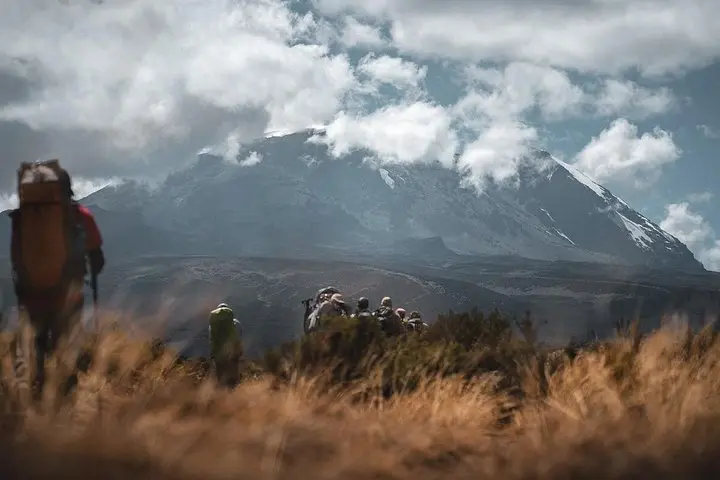
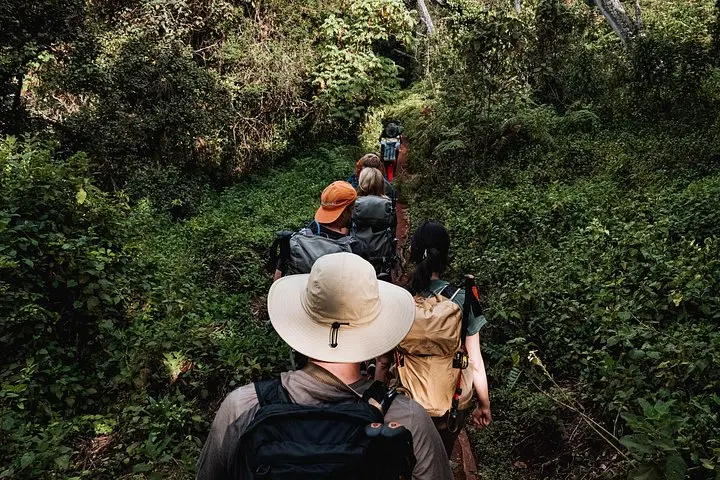
Fog lifts off the forest like a curtain and, for a few cold minutes, the summit of Kilimanjaro stares back at you — a white tooth against blue. On the Rongai Route you start on the mountain’s quieter northern flank, walking from tree-lined trails into moorland and then a high, rocky semidesert where the wind begins to feel like a judge. Guides and porters move with practiced rhythm: pitching North Face VE-25 tents, boiling water, checking oxygen and oximeters. The climb is less a single push than a series of small reckonings — steady ascents, a controlled pace, and a lot of attention to how your body is acclimatizing.
Verified experiences and guided adventures in the surrounding area.
Operated by Altezza Travel · Moshi, Kilimanjaro Region
Fog lifts off the forest like a curtain and, for a few cold minutes, the summit of Kilimanjaro stares back at you — a white tooth against blue. On the Rongai Route you start on the mountain’s quieter northern flank, walking from tree-lined trails into moorland and then a high, rocky semidesert where the wind begins to feel like a judge. Guides and porters move with practiced rhythm: pitching North Face VE-25 tents, boiling water, checking oxygen and oximeters. The climb is less a single push than a series of small reckonings — steady ascents, a controlled pace, and a lot of attention to how your body is acclimatizing.
Kilimanjaro is a composite volcano made of three cones — Kibo, Mawenzi and Shira — and the Rongai Route gives you a clear view of Kibo’s broad caldera as you rise. The peak, Uhuru, sits at 5,895 m; you begin around Nalemuru Gate near 2,020 m and gain roughly 3,800–3,900 meters over the course of the trip. The northern track historically saw fewer travelers because access is more remote; local Chagga communities on the lower slopes have long balanced subsistence farming with hospitality, and modern mountain tourism has become a key income source.
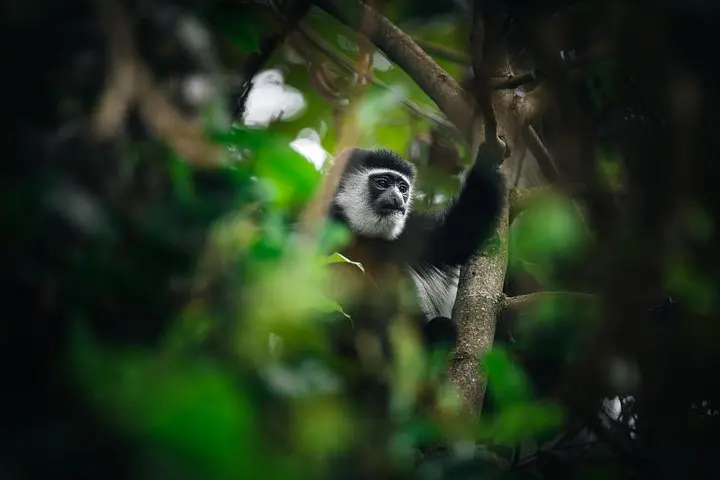
Geology is on display: mossy montane forest gives way to tussock and heath, then sharp volcanic scree and the glacial remnants around the summit. Wildlife is concentrated lower down — colobus and blue monkeys in the canopy, small antelope in the clearings — but the mountain’s true drama is its shifting ecosystems and the visible retreat of its ice fields, a direct signal of climate change.
Practically, expect 6 days of guided trekking (roughly 6–12 hours on summit day, shorter on acclimatization days). Typical overnight stops on this itinerary include Simba Camp (∼2,625 m), Kikilewa (∼3,630 m), Mawenzi Tarn, School Hut (4,715 m), and Horombo on descent. Daily terrain ranges from packed dirt and roots in the forest to loose scree and rocky slabs near Kibo. Technical climbing skills aren’t required, but strong cardiovascular fitness, sturdy boots with good grip, and experience on multi-day hikes are essential.
Acclimatization hikes — short gains and returns from camp — are built into the schedule; take them seriously. Hydrate steadily (aim for 3–4 L/day), sleep well when you can, and listen to your guide if symptoms of altitude sickness appear. Your operator includes oxygen, medical kits, and professional guides; still, travel insurance that covers high-altitude rescue is highly recommended.
The Rongai Route rewards steady effort with long, open views and a quieter sense of wilderness than the southern approaches. For travelers who prefer a disciplined, practical climb with the chance to summit Uhuru Peak, this northern path offers one of Kilimanjaro’s most honest and achievable engagements.
Success depends on fitness and acclimatization; operators on this route report decent summit rates but shorter itineraries are harder — expect lower odds than on 7–8 day plans.
No technical skills or rope use are required; the route is a strenuous hike though the final sections require careful footwork on scree and occasional ice.
Many climbers use acetazolamide (Diamox) to aid acclimatization; consult your physician beforehand and follow guide advice.
Yes — the operator includes all Kilimanjaro National Park fees, permits and rescue registration as part of the trip package.
Tipping is customary; plan to tip guides, cook and porters collectively at the end of the climb — amounts vary, but $10–$20/day per hiker for guides is a common guideline.
Strongly recommended — choose a policy that covers high-altitude evacuation and medical care up to at least 6,000 m.
Altezza Travel operates guided outdoor trips and adventures with an emphasis on safety, stewardship, and memorable experiences.
Fog lifts off the forest like a curtain and, for a few cold minutes, the summit of Kilimanjaro stares back at you — a white tooth against blue. On the Rongai Route you start on the mountain’s quieter northern flank, walking from tree-lined trails into moorland and then a high, rocky semidesert where the wind begins to feel like a judge. Guides and porters move with practiced rhythm: pitching North Face VE-25 tents, boiling water, checking oxygen and oximeters. The climb is less a single push than a series of small reckonings — steady ascents, a controlled pace, and a lot of attention to how your body is acclimatizing.
Fog lifts off the forest like a curtain and, for a few cold minutes, the summit of Kilimanjaro stares back at you — a white tooth against blue. On the Rongai Route you start on the mountain’s quieter northern flank, walking from tree-lined trails into moorland and then a high, rocky semidesert where the wind begins to feel like a judge. Guides and porters move with practiced rhythm: pitching North Face VE-25 tents, boiling water, checking oxygen and oximeters. The climb is less a single push than a series of small reckonings — steady ascents, a controlled pace, and a lot of attention to how your body is acclimatizing.
Kilimanjaro is a composite volcano made of three cones — Kibo, Mawenzi and Shira — and the Rongai Route gives you a clear view of Kibo’s broad caldera as you rise. The peak, Uhuru, sits at 5,895 m; you begin around Nalemuru Gate near 2,020 m and gain roughly 3,800–3,900 meters over the course of the trip. The northern track historically saw fewer travelers because access is more remote; local Chagga communities on the lower slopes have long balanced subsistence farming with hospitality, and modern mountain tourism has become a key income source.
Geology is on display: mossy montane forest gives way to tussock and heath, then sharp volcanic scree and the glacial remnants around the summit. Wildlife is concentrated lower down — colobus and blue monkeys in the canopy, small antelope in the clearings — but the mountain’s true drama is its shifting ecosystems and the visible retreat of its ice fields, a direct signal of climate change.
Practically, expect 6 days of guided trekking (roughly 6–12 hours on summit day, shorter on acclimatization days). Typical overnight stops on this itinerary include Simba Camp (∼2,625 m), Kikilewa (∼3,630 m), Mawenzi Tarn, School Hut (4,715 m), and Horombo on descent. Daily terrain ranges from packed dirt and roots in the forest to loose scree and rocky slabs near Kibo. Technical climbing skills aren’t required, but strong cardiovascular fitness, sturdy boots with good grip, and experience on multi-day hikes are essential.
Acclimatization hikes — short gains and returns from camp — are built into the schedule; take them seriously. Hydrate steadily (aim for 3–4 L/day), sleep well when you can, and listen to your guide if symptoms of altitude sickness appear. Your operator includes oxygen, medical kits, and professional guides; still, travel insurance that covers high-altitude rescue is highly recommended.
The Rongai Route rewards steady effort with long, open views and a quieter sense of wilderness than the southern approaches. For travelers who prefer a disciplined, practical climb with the chance to summit Uhuru Peak, this northern path offers one of Kilimanjaro’s most honest and achievable engagements.