THE ADVENTURE COLLECTIVE® · Independent discovery and booking for outdoor travel

A quieter eastern approach to Kilimanjaro, the Rongai Route offers varied habitats, solid acclimatization, and sweeping views across the Kenyan plains. This seven-day, guided trek pairs professional support with a steady summit strategy suited to hikers aiming for Uhuru Peak.
A quieter eastern approach to Kilimanjaro, the Rongai Route offers varied habitats, solid acclimatization, and sweeping views across the Kenyan plains. This seven-day, guided trek pairs professional support with a steady summit strategy suited to hikers aiming for Uhuru Peak.
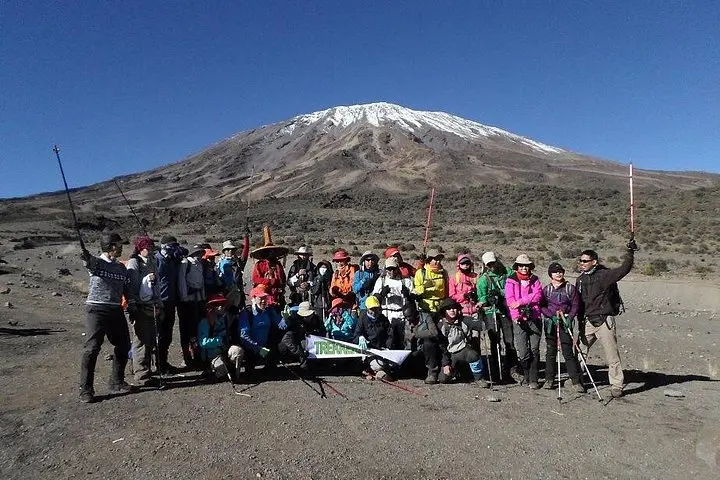
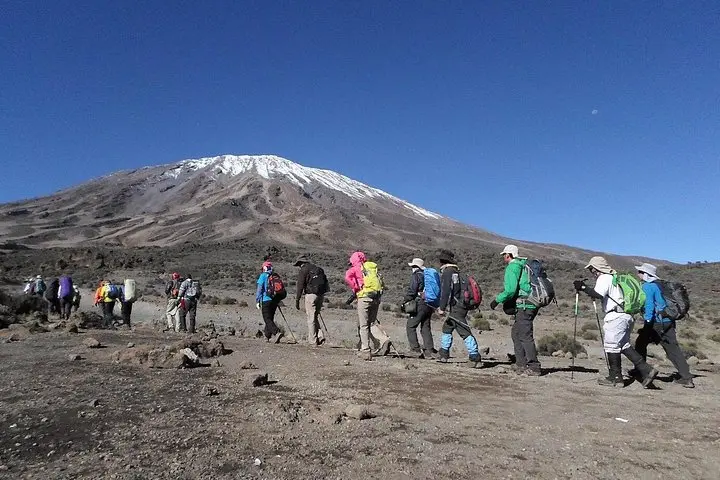
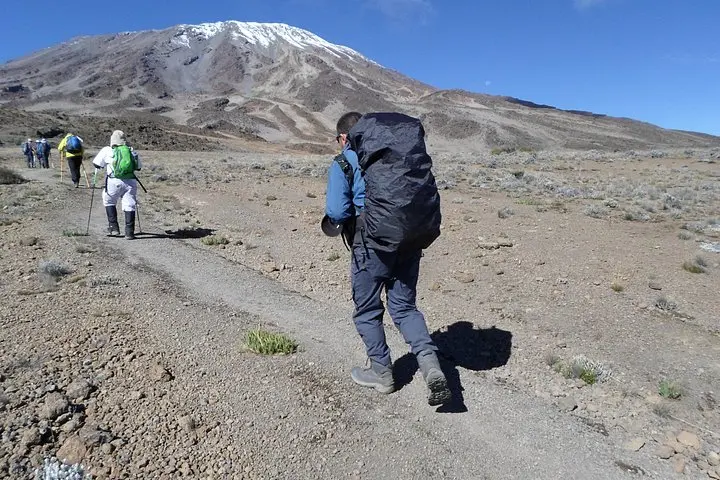
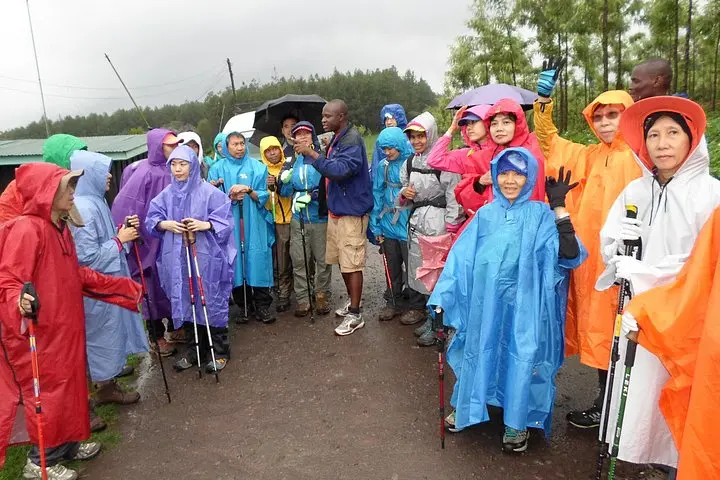
Night on the Rongai begins with the hum of a 4x4 and the smell of warm tea as Moshi recedes into bushland. At dawn the route opens into farmland and pine, the trail slipping upward under a sky that sharpens with altitude. For the first two days the Rongai route feels private—fewer groups, wide views to the Kenyan plains, and the first moorland that tests lungs and patience. By the time climbers hit the alpine desert and the jagged teeth of Mawenzi come into view, the mountain has settled into a steady conversation: wind urging on, scree reminding you to pick your steps, and the summit calling in small, relentless increments.
Verified experiences and guided adventures in the surrounding area.
Operated by Kilimanjaro Brothers · Moshi, Kilimanjaro Region
Night on the Rongai begins with the hum of a 4x4 and the smell of warm tea as Moshi recedes into bushland. At dawn the route opens into farmland and pine, the trail slipping upward under a sky that sharpens with altitude. For the first two days the Rongai route feels private—fewer groups, wide views to the Kenyan plains, and the first moorland that tests lungs and patience. By the time climbers hit the alpine desert and the jagged teeth of Mawenzi come into view, the mountain has settled into a steady conversation: wind urging on, scree reminding you to pick your steps, and the summit calling in small, relentless increments.
Geologically Kilimanjaro is a trio of volcanoes—Shira, Mawenzi and the highest, Kibo—built from successive eruptions millions of years ago. The Rongai approach climbs the eastern flank, crossing ecological bands from cultivated lowlands through montane forest, heath and moorland, and finally the lunar high plains and glaciated rim. Culturally, the climb starts near Chagga coffee farms; porters and guides are often from Moshi and nearby villages and carry a deep knowledge of routes and rhythm that’s as important as maps.
The itinerary is straightforward: seven days total with camping, two nights at hotels in Moshi, progressive ascents and a summit push from Kibo Hut around midnight. Daily walking sections range from short, steep pushes of 4–5 hours to the summit day, a 12–16 hour effort including ascent and descent. Expect elevation change from about 2,000 m at the gate to 5,895 m at Uhuru Peak; plan for slow, steady pacing and deliberate acclimatization.
Practically, footwear should be sturdy, broken-in boots with good traction; gaiters help on scree. Hydration is non-negotiable—aim for 3–4 liters per day and use water purification where supplied. Layering is crucial: heavy insulation for the pre-dawn summit, a wind shell for the saddle, and breathable base layers for daytime. Trekking poles reduce knee stress on the long descents and conserve energy on steep zigzags. The operator provides tents, meals, hot water for washing, oxygen tanks, a Gamow bag and pulse oximeters, which improves safety margins.
Timing matters: the Rongai is quieter early in the year and mid-year when weather stabilizes. Summit success hinges on acclimatization and pacing more than raw fitness—mental resilience and steady, conservative ascent rates win most days. Respect porters and follow leave-no-trace practices; the mountain’s fragile high-alpine soils and receding glaciers need careful stewardship.
For travelers this is an introduction to high-altitude trekking with strong support, varied scenery, and a quieter trail for those who want the summit without the swarm.
No technical mountaineering skills are required; the route is a non-technical hike but demands high-altitude experience, good fitness, and correct pacing.
Peak windows are January–March and June–October for more stable weather; Rongai is generally quieter than Marangu or Machame routes year-round.
Summit day typically starts at midnight and can take 10–16 hours round-trip depending on pace; the final ascent involves steep scree and potential snow.
Porters are provided; reputable operators include fair porter treatment and carry equipment—confirm porter policies and tipping guidelines before booking.
This operator supplies pulse oximeters, emergency oxygen, VHF radios and a Gamow bag; guides also monitor acclimatization and have rescue plans.
Carry proof of yellow fever vaccination if required per entry rules and ensure Kilimanjaro park fees and permits are arranged by the operator as part of the package.
Kilimanjaro Brothers operates guided outdoor trips and adventures with an emphasis on safety, stewardship, and memorable experiences.
Night on the Rongai begins with the hum of a 4x4 and the smell of warm tea as Moshi recedes into bushland. At dawn the route opens into farmland and pine, the trail slipping upward under a sky that sharpens with altitude. For the first two days the Rongai route feels private—fewer groups, wide views to the Kenyan plains, and the first moorland that tests lungs and patience. By the time climbers hit the alpine desert and the jagged teeth of Mawenzi come into view, the mountain has settled into a steady conversation: wind urging on, scree reminding you to pick your steps, and the summit calling in small, relentless increments.
Night on the Rongai begins with the hum of a 4x4 and the smell of warm tea as Moshi recedes into bushland. At dawn the route opens into farmland and pine, the trail slipping upward under a sky that sharpens with altitude. For the first two days the Rongai route feels private—fewer groups, wide views to the Kenyan plains, and the first moorland that tests lungs and patience. By the time climbers hit the alpine desert and the jagged teeth of Mawenzi come into view, the mountain has settled into a steady conversation: wind urging on, scree reminding you to pick your steps, and the summit calling in small, relentless increments.
Geologically Kilimanjaro is a trio of volcanoes—Shira, Mawenzi and the highest, Kibo—built from successive eruptions millions of years ago. The Rongai approach climbs the eastern flank, crossing ecological bands from cultivated lowlands through montane forest, heath and moorland, and finally the lunar high plains and glaciated rim. Culturally, the climb starts near Chagga coffee farms; porters and guides are often from Moshi and nearby villages and carry a deep knowledge of routes and rhythm that’s as important as maps.
The itinerary is straightforward: seven days total with camping, two nights at hotels in Moshi, progressive ascents and a summit push from Kibo Hut around midnight. Daily walking sections range from short, steep pushes of 4–5 hours to the summit day, a 12–16 hour effort including ascent and descent. Expect elevation change from about 2,000 m at the gate to 5,895 m at Uhuru Peak; plan for slow, steady pacing and deliberate acclimatization.
Practically, footwear should be sturdy, broken-in boots with good traction; gaiters help on scree. Hydration is non-negotiable—aim for 3–4 liters per day and use water purification where supplied. Layering is crucial: heavy insulation for the pre-dawn summit, a wind shell for the saddle, and breathable base layers for daytime. Trekking poles reduce knee stress on the long descents and conserve energy on steep zigzags. The operator provides tents, meals, hot water for washing, oxygen tanks, a Gamow bag and pulse oximeters, which improves safety margins.
Timing matters: the Rongai is quieter early in the year and mid-year when weather stabilizes. Summit success hinges on acclimatization and pacing more than raw fitness—mental resilience and steady, conservative ascent rates win most days. Respect porters and follow leave-no-trace practices; the mountain’s fragile high-alpine soils and receding glaciers need careful stewardship.
For travelers this is an introduction to high-altitude trekking with strong support, varied scenery, and a quieter trail for those who want the summit without the swarm.