THE ADVENTURE COLLECTIVE® · Independent discovery and booking for outdoor travel

Spend a day on Kilimanjaro’s quieter western flank: hike up through montane forest to the Shira Plateau, roam across eroded lava fields and giant heath, and watch Kibo’s glaciers loom on the horizon. This full-day guided experience pairs big views with accessible trail sections—ideal for hikers who want high-mountain scenery without an overnight.
Spend a day on Kilimanjaro’s quieter western flank: hike up through montane forest to the Shira Plateau, roam across eroded lava fields and giant heath, and watch Kibo’s glaciers loom on the horizon. This full-day guided experience pairs big views with accessible trail sections—ideal for hikers who want high-mountain scenery without an overnight.
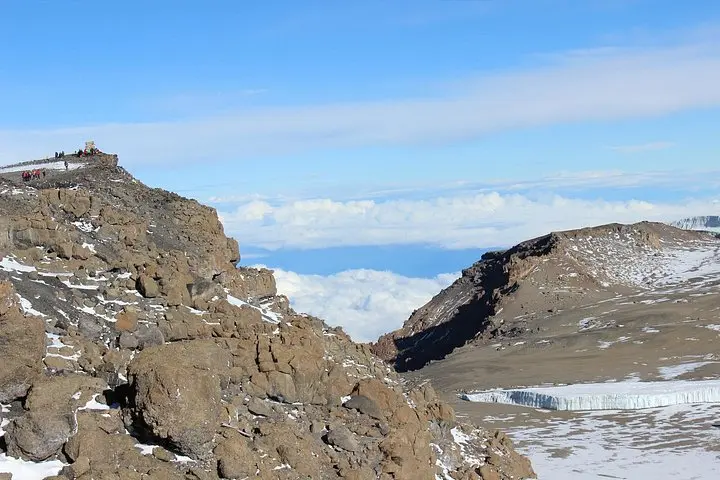
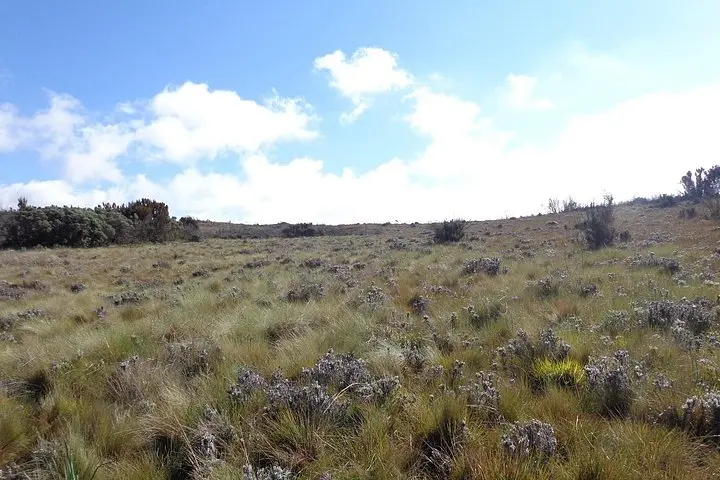
A low sun throws long shadows across the Shira Plateau as the vehicle slows and the road gives up formal traction for a wash of dust and rock. The air here is thinner and colder than the farmed lowlands around Moshi; giant heaths—odd, woody plants with silver leaves—rise like slow-growing scaffolding against a backdrop of eroded lava flows. Guides gesture toward the western slope of Kibo, where glacial white still clings to the summit rim, a hard, distant promise of the mountain’s height.
Verified experiences and guided adventures in the surrounding area.
Operated by Topi Adventure · Moshi, Kilimanjaro Region
A low sun throws long shadows across the Shira Plateau as the vehicle slows and the road gives up formal traction for a wash of dust and rock. The air here is thinner and colder than the farmed lowlands around Moshi; giant heaths—odd, woody plants with silver leaves—rise like slow-growing scaffolding against a backdrop of eroded lava flows. Guides gesture toward the western slope of Kibo, where glacial white still clings to the summit rim, a hard, distant promise of the mountain’s height.
The Shira Plateau is the mountain’s older western flank, a remnant of an ancient caldera that predates the central Kibo cone. Geology reads here like a travelogue: hardened lava fields, deep gullies carved by melt and rain, and the cone-shaped scars of collapsed vents. The view across the plateau toward the plains is a study in scale—streams that begin as thin threads here join and plunge down toward Amboseli-country savanna. Cultural traces are human and agricultural: small farms, tea plots, and villages at the mountain’s foot that have long adapted to Kilimanjaro’s microclimates.
Wildlife takes on a quiet, local feel. In the montane forest below the plateau, colobus monkeys and crested turacos move through the canopy; guides will point out old elephant tracks and, on rare mornings, the silhouette of an elephant through the trees. The park’s routes are less-traveled than the tourist-choked southern approaches; for a day, the plateau offers the sense of moving through a place still finding its rhythm.
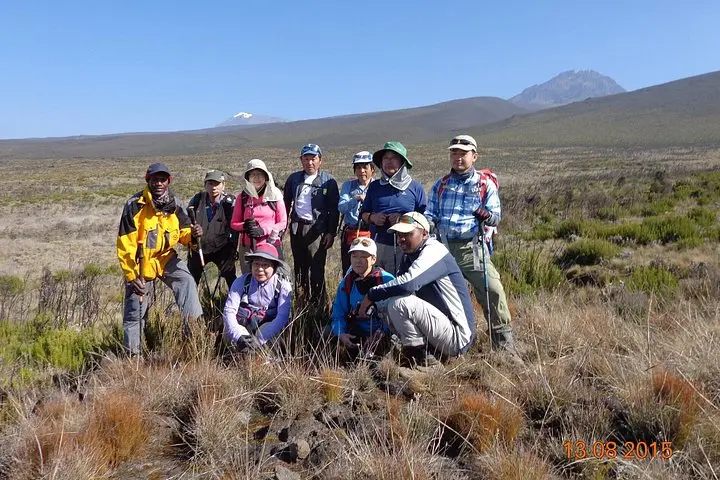
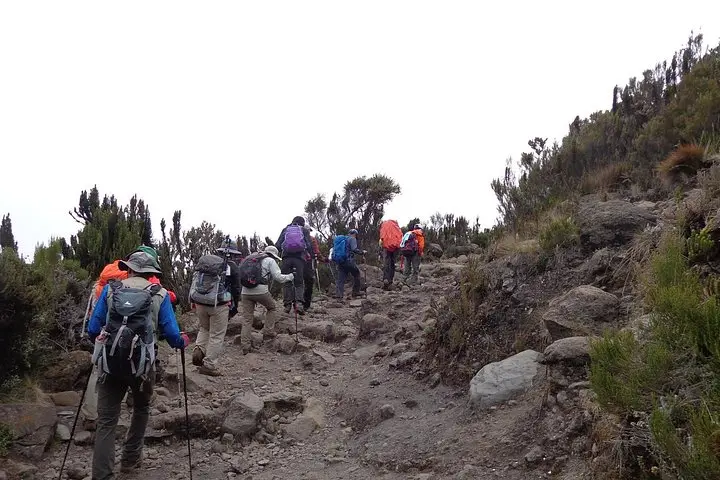
Practicalities keep the adventure honest. The trip begins with an early pickup from Moshi (or Arusha on some departures) and a drive of one-and-a-half to three hours, depending on traffic and pickup point. The official trailhead sits at about 2,100 m; expect a steady ascent of roughly 1,000 m over varied terrain—forest paths, soft volcanic soils, and rocky outcrops—before you reach the plateau proper. Weather can flip quickly; waterproofs, warm layers and sturdy boots are not optional. A professional guide, park entry fees, bottled water and lunch are included, but each hiker should carry a small daypack with water and extra clothing.
Plan for a full day: most itineraries return late afternoon. Acclimatize if you’ve recently arrived from low elevations, and move at a steady pace—this is an appetiser for Kilimanjaro’s higher routes, not a summit attempt. For photographers and walkers alike, the Shira Plateau delivers a compact taste of the mountain: sweeping geology, unexpected wildlife, and a landscape that keeps reminding you the summit is only the loudest part of a very long story.
From Moshi plan on 1½–2½ hours depending on your hotel; from Arusha the drive extends to around three hours over agricultural plains and rough park roads.
No technical experience is required, but basic fitness and some acclimatization help—altitude can make a moderate hike feel much harder.
Common sightings include colobus monkeys, turacos and various montane birds; elephant tracks and occasional glimpses in the forest are possible.
Yes—the tour includes park entry fees, a professional guide, bottled water and a packed lunch (confirm specifics at booking).
The hike is guided and runs as a private tour; solo travelers can join but must follow guide directions and park rules.
Ankle-supporting hiking boots with good tread are recommended due to soft sections and rocky terrain.
Topi Adventure operates guided outdoor trips and adventures with an emphasis on safety, stewardship, and memorable experiences.
A low sun throws long shadows across the Shira Plateau as the vehicle slows and the road gives up formal traction for a wash of dust and rock. The air here is thinner and colder than the farmed lowlands around Moshi; giant heaths—odd, woody plants with silver leaves—rise like slow-growing scaffolding against a backdrop of eroded lava flows. Guides gesture toward the western slope of Kibo, where glacial white still clings to the summit rim, a hard, distant promise of the mountain’s height.
A low sun throws long shadows across the Shira Plateau as the vehicle slows and the road gives up formal traction for a wash of dust and rock. The air here is thinner and colder than the farmed lowlands around Moshi; giant heaths—odd, woody plants with silver leaves—rise like slow-growing scaffolding against a backdrop of eroded lava flows. Guides gesture toward the western slope of Kibo, where glacial white still clings to the summit rim, a hard, distant promise of the mountain’s height.
The Shira Plateau is the mountain’s older western flank, a remnant of an ancient caldera that predates the central Kibo cone. Geology reads here like a travelogue: hardened lava fields, deep gullies carved by melt and rain, and the cone-shaped scars of collapsed vents. The view across the plateau toward the plains is a study in scale—streams that begin as thin threads here join and plunge down toward Amboseli-country savanna. Cultural traces are human and agricultural: small farms, tea plots, and villages at the mountain’s foot that have long adapted to Kilimanjaro’s microclimates.
Wildlife takes on a quiet, local feel. In the montane forest below the plateau, colobus monkeys and crested turacos move through the canopy; guides will point out old elephant tracks and, on rare mornings, the silhouette of an elephant through the trees. The park’s routes are less-traveled than the tourist-choked southern approaches; for a day, the plateau offers the sense of moving through a place still finding its rhythm.
Practicalities keep the adventure honest. The trip begins with an early pickup from Moshi (or Arusha on some departures) and a drive of one-and-a-half to three hours, depending on traffic and pickup point. The official trailhead sits at about 2,100 m; expect a steady ascent of roughly 1,000 m over varied terrain—forest paths, soft volcanic soils, and rocky outcrops—before you reach the plateau proper. Weather can flip quickly; waterproofs, warm layers and sturdy boots are not optional. A professional guide, park entry fees, bottled water and lunch are included, but each hiker should carry a small daypack with water and extra clothing.
Plan for a full day: most itineraries return late afternoon. Acclimatize if you’ve recently arrived from low elevations, and move at a steady pace—this is an appetiser for Kilimanjaro’s higher routes, not a summit attempt. For photographers and walkers alike, the Shira Plateau delivers a compact taste of the mountain: sweeping geology, unexpected wildlife, and a landscape that keeps reminding you the summit is only the loudest part of a very long story.