THE ADVENTURE COLLECTIVE® · Independent discovery and booking for outdoor travel

A 15-day Spiral Route climb combines careful acclimatization, diverse terrain and daylight summit travel to give you a high-probability, unforgettable Kilimanjaro ascent — followed by a two-day safari on the plains.
A 15-day Spiral Route climb combines careful acclimatization, diverse terrain and daylight summit travel to give you a high-probability, unforgettable Kilimanjaro ascent — followed by a two-day safari on the plains.
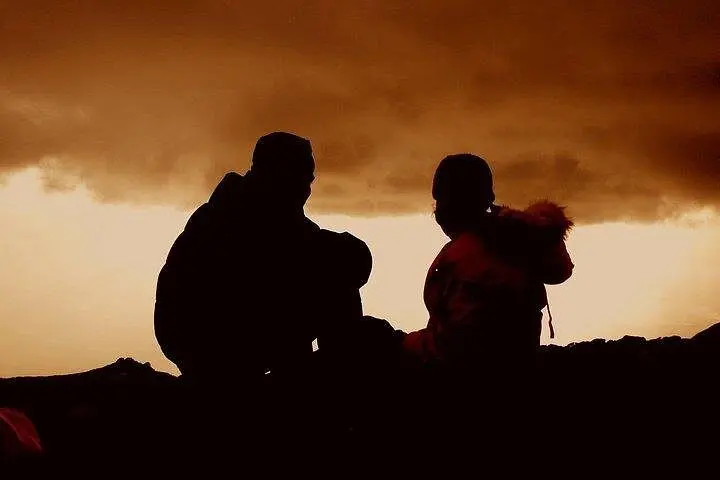
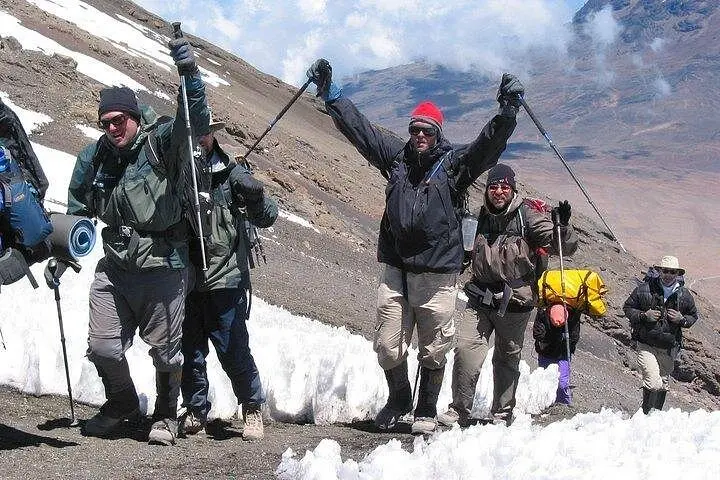
Dawn on Kilimanjaro starts with a chill that crawls up through your sleeping bag and a sky that brightens from indigo to a pale, spreading promise. You step out of camp and the mountain greets you: a ring of peaks, an expanse of moorland, and the distant plain below that suddenly seems very small. On the Tusker Spiral Route, you move clockwise around the mountain, crossing rainforest, heather fields, lava flows and the wind-scoured barrens above 4,000 meters. The route takes 14–15 days, a slow, deliberate climb designed to protect your summit chances and let the high altitude earn its view.
Verified experiences and guided adventures in the surrounding area.
Operated by Tusker Trail Kilimanjaro Adventures · Moshi, Kilimanjaro Region
Dawn on Kilimanjaro starts with a chill that crawls up through your sleeping bag and a sky that brightens from indigo to a pale, spreading promise. You step out of camp and the mountain greets you: a ring of peaks, an expanse of moorland, and the distant plain below that suddenly seems very small. On the Tusker Spiral Route, you move clockwise around the mountain, crossing rainforest, heather fields, lava flows and the wind-scoured barrens above 4,000 meters. The route takes 14–15 days, a slow, deliberate climb designed to protect your summit chances and let the high altitude earn its view.
Kilimanjaro is a dormant stratovolcano whose last major eruption left the Shira Plateau and the craggy Mawenzi and Kibo peaks. Human history here is closely tied to the Chagga people, whose terraced farms and coffee farms buffer the mountain's lower slopes; colonial explorers, missionaries and geologists wrote early routes into climbing lore. The Spiral Route is relatively new, a founder-built itinerary that stitches together northern and western approaches to give long acclimatization days and daylight summit travel — a feature modern climbers appreciate.
Geologically, you cross distinct zones: rainforest, heath and moor, alpine desert, and finally the summit crater. Each zone feels like a different country — giant lobelias that seem sculpted for the climate, ancient lava cliffs and the crater's fumaroles that remind you Kilimanjaro is a sleeping volcano. On the last morning the icefields and crater rim frame Uhuru Peak, Africa's highest point at 5,895 meters.
Practical planning is straightforward but serious. The itinerary lists daily distances (most days 3–7 miles) and key elevation points: Simba Camp at 2,670 m, Barranco at 3,950 m, Barafu at 4,556 m and Uhuru at 5,895 m. Expect cold nights above 3,500 m and wind at high camp; daytime sun can be fierce at altitude. Hydrate proactively, use a layered system with an insulated midlayer and waterproof shell, and break summit day into steady, even steps — success is about conservative pacing and acclimatization as much as fitness.
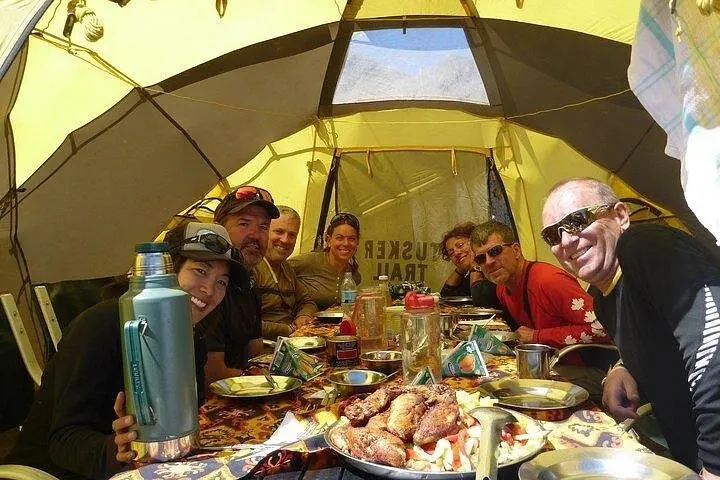
You climb with a full crew: guides, porters and medically trained High Altitude First Responders. Meals and hot drinks are provided, and camps feature cots and mattresses. After the descent you have two safari days — Tarangire and Lake Manyara — where plains and baobabs replace alpine vistas.
Timing: pick a dry window (June–October or January–February) and arrive in Moshi a day early to sort gear and rest. Prepare physically with long day hikes and stair repeats, and practise trekking with a loaded pack. Bring patience: the Spiral Route trades dramatic speed for steady altitude gain and higher summit probability. When you stand on Uhuru, the air is thin, the silence large, and every step of those 15 days feels earned.
No technical mountaineering skills are required; the route is a strenuous trek not a technical climb, but good fitness and previous multi-day hiking experience are recommended.
Acute mountain sickness is possible; the Spiral Route's longer profile and staged acclimatization reduce risk, and guides perform regular medical checks and have oxygen and trained responders on hand.
The most reliable weather windows are June–October (long dry season) and January–February (short dry window); avoid the long rains of March–May if you want clearer trails.
Typical inclusions are park fees, meals on trek, tents, cots/mattresses, guides, porters and airport transfers as listed in the itinerary; confirm specifics with the operator.
Summit day is long (7–9 hours up, then descent) with major altitude gain — success depends on pacing, hydration, and altitude preparedness rather than pure speed.
Yes — the itinerary offers a two-day safari package and many climbers extend to Serengeti/Ngorongoro or fly to Zanzibar for beaches and cultural sightseeing.
Tusker Trail Kilimanjaro Adventures operates guided outdoor trips and adventures with an emphasis on safety, stewardship, and memorable experiences.

Dawn on Kilimanjaro starts with a chill that crawls up through your sleeping bag and a sky that brightens from indigo to a pale, spreading promise. You step out of camp and the mountain greets you: a ring of peaks, an expanse of moorland, and the distant plain below that suddenly seems very small. On the Tusker Spiral Route, you move clockwise around the mountain, crossing rainforest, heather fields, lava flows and the wind-scoured barrens above 4,000 meters. The route takes 14–15 days, a slow, deliberate climb designed to protect your summit chances and let the high altitude earn its view.
Dawn on Kilimanjaro starts with a chill that crawls up through your sleeping bag and a sky that brightens from indigo to a pale, spreading promise. You step out of camp and the mountain greets you: a ring of peaks, an expanse of moorland, and the distant plain below that suddenly seems very small. On the Tusker Spiral Route, you move clockwise around the mountain, crossing rainforest, heather fields, lava flows and the wind-scoured barrens above 4,000 meters. The route takes 14–15 days, a slow, deliberate climb designed to protect your summit chances and let the high altitude earn its view.
Kilimanjaro is a dormant stratovolcano whose last major eruption left the Shira Plateau and the craggy Mawenzi and Kibo peaks. Human history here is closely tied to the Chagga people, whose terraced farms and coffee farms buffer the mountain's lower slopes; colonial explorers, missionaries and geologists wrote early routes into climbing lore. The Spiral Route is relatively new, a founder-built itinerary that stitches together northern and western approaches to give long acclimatization days and daylight summit travel — a feature modern climbers appreciate.
Geologically, you cross distinct zones: rainforest, heath and moor, alpine desert, and finally the summit crater. Each zone feels like a different country — giant lobelias that seem sculpted for the climate, ancient lava cliffs and the crater's fumaroles that remind you Kilimanjaro is a sleeping volcano. On the last morning the icefields and crater rim frame Uhuru Peak, Africa's highest point at 5,895 meters.
Practical planning is straightforward but serious. The itinerary lists daily distances (most days 3–7 miles) and key elevation points: Simba Camp at 2,670 m, Barranco at 3,950 m, Barafu at 4,556 m and Uhuru at 5,895 m. Expect cold nights above 3,500 m and wind at high camp; daytime sun can be fierce at altitude. Hydrate proactively, use a layered system with an insulated midlayer and waterproof shell, and break summit day into steady, even steps — success is about conservative pacing and acclimatization as much as fitness.
You climb with a full crew: guides, porters and medically trained High Altitude First Responders. Meals and hot drinks are provided, and camps feature cots and mattresses. After the descent you have two safari days — Tarangire and Lake Manyara — where plains and baobabs replace alpine vistas.
Timing: pick a dry window (June–October or January–February) and arrive in Moshi a day early to sort gear and rest. Prepare physically with long day hikes and stair repeats, and practise trekking with a loaded pack. Bring patience: the Spiral Route trades dramatic speed for steady altitude gain and higher summit probability. When you stand on Uhuru, the air is thin, the silence large, and every step of those 15 days feels earned.