THE ADVENTURE COLLECTIVE® · Independent discovery and booking for outdoor travel

A 7-day Lemosho ascent balances long approach days and deliberate acclimatization to give you the best shot at Uhuru Peak. Expect forest, moorland, loose scree and a predawn summit push—plus practical tips for packing, pacing and altitude.
A 7-day Lemosho ascent balances long approach days and deliberate acclimatization to give you the best shot at Uhuru Peak. Expect forest, moorland, loose scree and a predawn summit push—plus practical tips for packing, pacing and altitude.
Dawn on the Lemosho Ridge pulls cool air through giant heather and volcanic scree; porters break camp, tents deflate, and the trail unfurls toward a jagged skyline. The mountain doesn't beg—its glaciers and ridgelines dare you forward—and the Lemosho Route stages that challenge over seven deliberate days, easing altitude gain with long days and critical acclimatization stops.
Verified experiences and guided adventures in the surrounding area.
Operated by Uprise Africa Explorer · Moshi, Kilimanjaro Region
Dawn on the Lemosho Ridge pulls cool air through giant heather and volcanic scree; porters break camp, tents deflate, and the trail unfurls toward a jagged skyline. The mountain doesn't beg—its glaciers and ridgelines dare you forward—and the Lemosho Route stages that challenge over seven deliberate days, easing altitude gain with long days and critical acclimatization stops.
Geologically Kilimanjaro is a three-peaked stratovolcano—Shira, Mawenzi and Kibo—whose glaciers crown Kibo's crater rim. The Lemosho approach crosses montane forest, ascends into heather moorland and high-altitude desert, then funnels toward the Lava Tower and the Stella-Point ascent. Culturally the slopes are Maasai and Chaga land; porters and guides are often from local villages around Moshi, carrying skills and stories that anchor the climb to place.
Expect rain on the western approach, stark wind above 4,000 m and cold summit winds in the predawn hours. Camps are communal tents with hot meals provided; the summit push begins around 2:00 a.m., moving through heavy scree to Stella Point and a final hour to Uhuru Peak (5,895 m).
Practical guidance: train on multi-hour hikes with elevation gain, practice walking on loose scree, and pack layers for broad temperature swings. Hydrate early and often; altitude tricks strength and judgment more than distance. Bring a reliable headlamp, gaiters and trekking poles for the descent. Give yourself a rest day in Moshi before departing—your legs and lungs will thank you.
Most operators include park fees, camping, and the listed meals—confirm inclusions before booking; the Viator listing shows meals for each day and all fees included.
Summit day is the longest and most intense: a 6–8 hour ascent from Barafu plus 4–6 hour descent to Mweka; expect extreme cold, high winds and steep scree.
Headache, nausea, loss of appetite and fatigue are common; guides monitor symptoms and use acclimatization days to reduce risk—carry any personal meds and consider acetazolamide if advised by a physician.
September–November and June–October generally offer the best weather windows with lower rainfall and higher summit success rates.
Uprise Africa Explorer operates guided outdoor trips and adventures with an emphasis on safety, stewardship, and memorable experiences.



Dawn on the Lemosho Ridge pulls cool air through giant heather and volcanic scree; porters break camp, tents deflate, and the trail unfurls toward a jagged skyline. The mountain doesn't beg—its glaciers and ridgelines dare you forward—and the Lemosho Route stages that challenge over seven deliberate days, easing altitude gain with long days and critical acclimatization stops.
Dawn on the Lemosho Ridge pulls cool air through giant heather and volcanic scree; porters break camp, tents deflate, and the trail unfurls toward a jagged skyline. The mountain doesn't beg—its glaciers and ridgelines dare you forward—and the Lemosho Route stages that challenge over seven deliberate days, easing altitude gain with long days and critical acclimatization stops.
Geologically Kilimanjaro is a three-peaked stratovolcano—Shira, Mawenzi and Kibo—whose glaciers crown Kibo's crater rim. The Lemosho approach crosses montane forest, ascends into heather moorland and high-altitude desert, then funnels toward the Lava Tower and the Stella-Point ascent. Culturally the slopes are Maasai and Chaga land; porters and guides are often from local villages around Moshi, carrying skills and stories that anchor the climb to place.
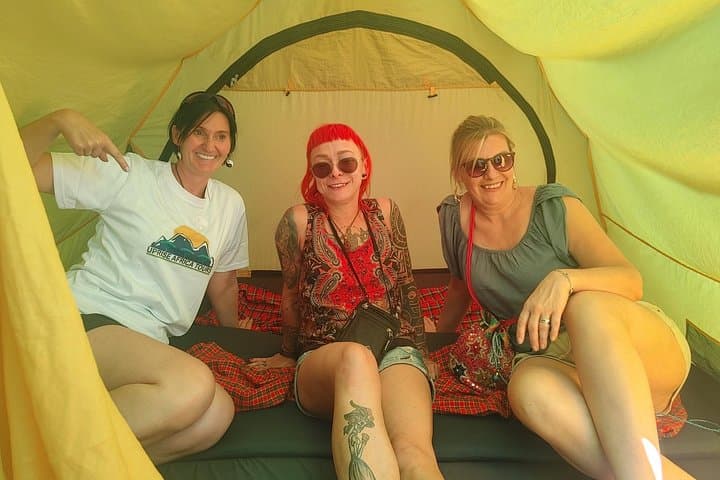
Expect rain on the western approach, stark wind above 4,000 m and cold summit winds in the predawn hours. Camps are communal tents with hot meals provided; the summit push begins around 2:00 a.m., moving through heavy scree to Stella Point and a final hour to Uhuru Peak (5,895 m).
Practical guidance: train on multi-hour hikes with elevation gain, practice walking on loose scree, and pack layers for broad temperature swings. Hydrate early and often; altitude tricks strength and judgment more than distance. Bring a reliable headlamp, gaiters and trekking poles for the descent. Give yourself a rest day in Moshi before departing—your legs and lungs will thank you.