THE ADVENTURE COLLECTIVE® · Independent discovery and booking for outdoor travel

Short, steep and uncompromising, the Umbwe Route on Kilimanjaro compresses jungle, moorland and glacier into a fast-paced 6-day ascent. This guide explains what to expect—daily elevation gains, terrain, and the fitness and gear you’ll need to reach Uhuru Peak.
Short, steep and uncompromising, the Umbwe Route on Kilimanjaro compresses jungle, moorland and glacier into a fast-paced 6-day ascent. This guide explains what to expect—daily elevation gains, terrain, and the fitness and gear you’ll need to reach Uhuru Peak.
Rain soaks the rainforest canopy as the first headlamp beams cut through misted ferns. Porters stride ahead with canvas tents and steaming kettles; behind them you climb—hard and honest—up a corridor of dark trunks that feels older than the map in your hand. This is Umbwe: Kilimanjaro’s steepest, most direct line from jungle to glacier, a route that compresses all five climate zones into a handful of days and asks you to match its pace.
Verified experiences and guided adventures in the surrounding area.
Operated by Altezza Travel · Moshi, Kilimanjaro Region
Rain soaks the rainforest canopy as the first headlamp beams cut through misted ferns. Porters stride ahead with canvas tents and steaming kettles; behind them you climb—hard and honest—up a corridor of dark trunks that feels older than the map in your hand. This is Umbwe: Kilimanjaro’s steepest, most direct line from jungle to glacier, a route that compresses all five climate zones into a handful of days and asks you to match its pace.
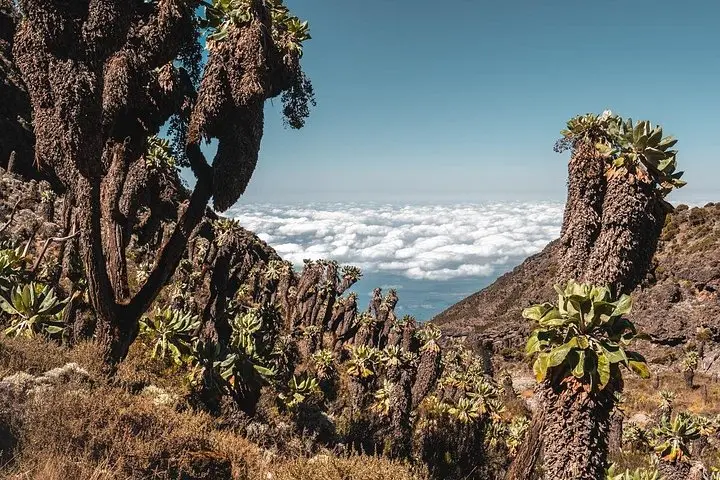
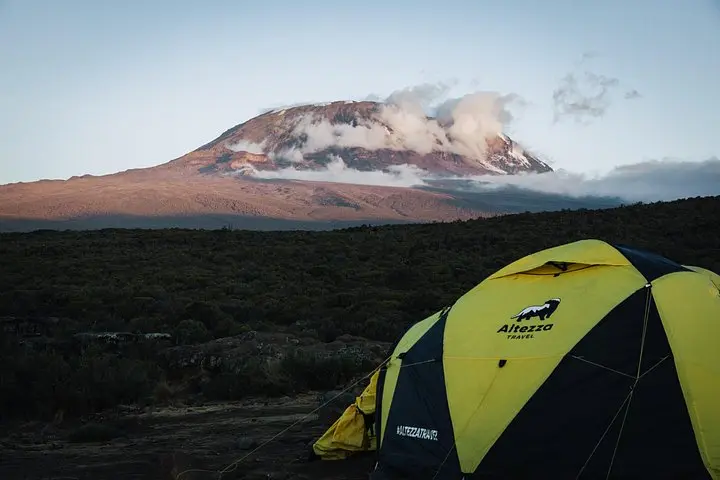
Umbwe’s story is geological as much as human. Kibo, the sleeping volcanic cone you aim for, is built of basalt and ash laid down in eruptions that shaped East Africa. The trail begins at about 1,640 m at Umbwe Gate and pushes into montane rainforest, then moorland and alpine desert before the final, lung-testing push to Uhuru Peak at 5,895 m. On this particular itinerary you move fast: Day 2 to Umbwe Camp (to ~2,930 m, ~5 hours), Day 3 to Barranco (~3,960 m, ~6 hours), Day 4 to Karanga (~8 hours with acclimatization walk), Day 5 to Barafu (~4,640 m, ~7 hours), a nocturnal summit attempt (~14 hours round-trip), then descent to Millennium and out to Mweka Gate. The math—over 4,200 m of elevation gain from gate to summit—is simple and relentless.
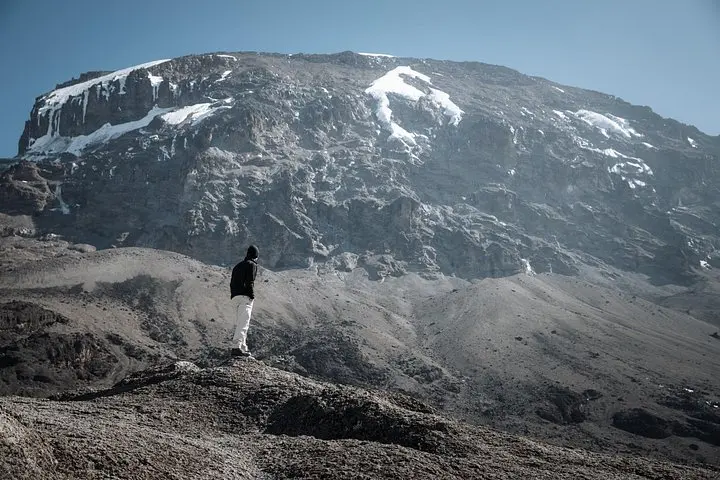
Culture threads through the climb. Moshi at the mountain’s foot is Chagga country: terraces, coffee farms and a pragmatic hospitality. Guides here combine local knowledge and mountaineering experience; porters’ songs and the cooking fire are part of the rhythm that gets you higher. In recent decades glacial retreat on Kibo has become starkly visible; the small icefields you step near on the crater rim are remnants, reminders of climate change.
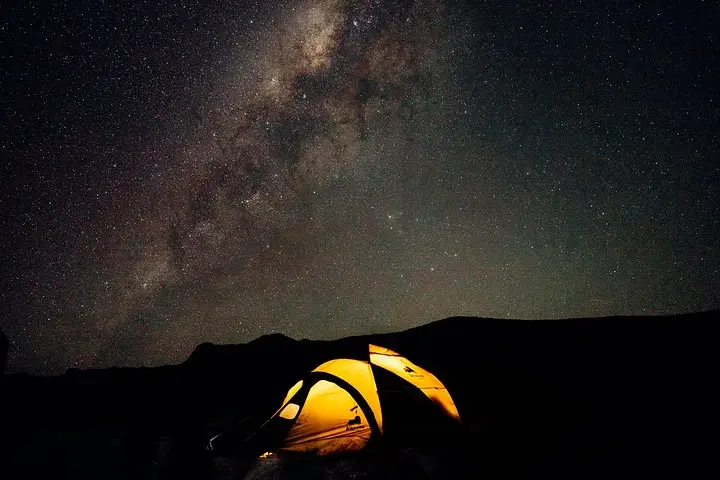
Practically, Umbwe demands preparation and respect. The route’s shorter profile means less time for acclimatization, so pacing, strict hydration (aim for 3–4 liters/day on trekking days), and close monitoring of symptoms are non-negotiable. Wear a stiff-soled boot for scree and rocky sections, use trekking poles to protect knees on long descents, and plan to sleep in technical two-person tents at high camp. Guides carry oximeters and oxygen; certified Wilderness First Responder staff and medical checks are included, but personal fitness matters: train on long ascents with heavy packs and include interval workouts and long aerobic days in the months before departure.
Expect sudden weather swings—rain in the moorland, clear cold on the summit night—and a mix of soft loam, exposed rock and scree underfoot. When you stand on Uhuru Peak at sunrise, the ache and altitude are immediate, but so is satisfaction: a hard route rewarded by broad East African light and a view that, for all its shrinking ice, still feels enormous.
Summit success depends on fitness, acclimatization and weather; Umbwe is steeper with less acclimatization time, so success rates are lower than longer routes—proper pacing and following guide advice raise your odds.
Yes—experience above 3,000 m is strongly recommended. Umbwe’s rapid profile rewards climbers who’ve handled altitude and long trekking days before.
A valid passport is required; yellow fever vaccination may be recommended depending on your itinerary—check Tanzania entry rules and consult a travel clinic for current vaccine advice.
Yes. This climb includes a professional climbing crew (guides, porters, cooks) and medical checks; tipping protocols should be discussed before departure.
Diamox can reduce symptoms of acute mountain sickness; consult your doctor well before travel to confirm dosing and suitability.
Guides monitor clients continuously; the operator includes rescue registration, oxygen tanks and evacuation protocols, but severe cases may require helicopter or ground evacuation depending on location and conditions.
Altezza Travel operates guided outdoor trips and adventures with an emphasis on safety, stewardship, and memorable experiences.
Rain soaks the rainforest canopy as the first headlamp beams cut through misted ferns. Porters stride ahead with canvas tents and steaming kettles; behind them you climb—hard and honest—up a corridor of dark trunks that feels older than the map in your hand. This is Umbwe: Kilimanjaro’s steepest, most direct line from jungle to glacier, a route that compresses all five climate zones into a handful of days and asks you to match its pace.
Rain soaks the rainforest canopy as the first headlamp beams cut through misted ferns. Porters stride ahead with canvas tents and steaming kettles; behind them you climb—hard and honest—up a corridor of dark trunks that feels older than the map in your hand. This is Umbwe: Kilimanjaro’s steepest, most direct line from jungle to glacier, a route that compresses all five climate zones into a handful of days and asks you to match its pace.
Umbwe’s story is geological as much as human. Kibo, the sleeping volcanic cone you aim for, is built of basalt and ash laid down in eruptions that shaped East Africa. The trail begins at about 1,640 m at Umbwe Gate and pushes into montane rainforest, then moorland and alpine desert before the final, lung-testing push to Uhuru Peak at 5,895 m. On this particular itinerary you move fast: Day 2 to Umbwe Camp (to ~2,930 m, ~5 hours), Day 3 to Barranco (~3,960 m, ~6 hours), Day 4 to Karanga (~8 hours with acclimatization walk), Day 5 to Barafu (~4,640 m, ~7 hours), a nocturnal summit attempt (~14 hours round-trip), then descent to Millennium and out to Mweka Gate. The math—over 4,200 m of elevation gain from gate to summit—is simple and relentless.
Culture threads through the climb. Moshi at the mountain’s foot is Chagga country: terraces, coffee farms and a pragmatic hospitality. Guides here combine local knowledge and mountaineering experience; porters’ songs and the cooking fire are part of the rhythm that gets you higher. In recent decades glacial retreat on Kibo has become starkly visible; the small icefields you step near on the crater rim are remnants, reminders of climate change.
Practically, Umbwe demands preparation and respect. The route’s shorter profile means less time for acclimatization, so pacing, strict hydration (aim for 3–4 liters/day on trekking days), and close monitoring of symptoms are non-negotiable. Wear a stiff-soled boot for scree and rocky sections, use trekking poles to protect knees on long descents, and plan to sleep in technical two-person tents at high camp. Guides carry oximeters and oxygen; certified Wilderness First Responder staff and medical checks are included, but personal fitness matters: train on long ascents with heavy packs and include interval workouts and long aerobic days in the months before departure.
Expect sudden weather swings—rain in the moorland, clear cold on the summit night—and a mix of soft loam, exposed rock and scree underfoot. When you stand on Uhuru Peak at sunrise, the ache and altitude are immediate, but so is satisfaction: a hard route rewarded by broad East African light and a view that, for all its shrinking ice, still feels enormous.