THE ADVENTURE COLLECTIVE® · Independent discovery and booking for outdoor travel

Choose Marangu for a disciplined, hut-to-hut ascent of Kilimanjaro that trades technical scrambling for steady altitude gain. This 6‑day itinerary moves through forest, moorland and high desert with nightly huts and a classic midnight summit push.
Choose Marangu for a disciplined, hut-to-hut ascent of Kilimanjaro that trades technical scrambling for steady altitude gain. This 6‑day itinerary moves through forest, moorland and high desert with nightly huts and a classic midnight summit push.
You crest a final ridge before dawn and the air has thinned to a bite that feels alive — the alpine desert ahead seems to hold its breath. A pale arc of city light lies far below; above you, the crater rim waits. This is the payoff of the Marangu Route: a steady, purpose-built climb that moves you through forest, heath, moorland and finally the lunar ramparts of Kibo. Huts punctuate the way, their tin roofs and bunk rows a human rhythm on a wild mountain.
Verified experiences and guided adventures in the surrounding area.
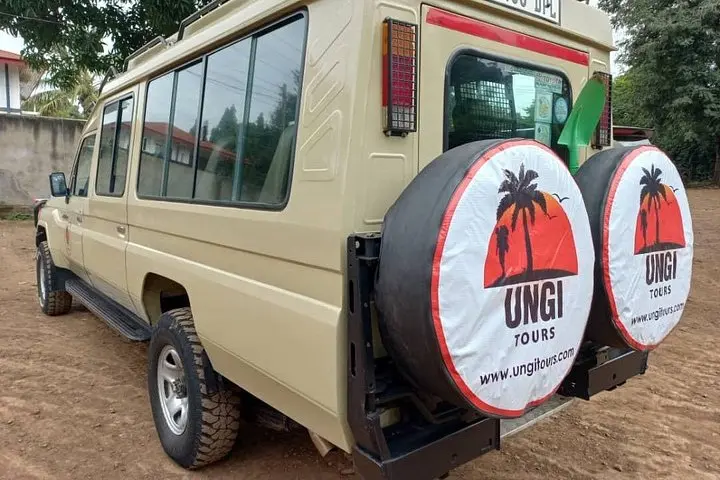
Operated by Ungitours · Moshi, Kilimanjaro Region
You crest a final ridge before dawn and the air has thinned to a bite that feels alive — the alpine desert ahead seems to hold its breath. A pale arc of city light lies far below; above you, the crater rim waits. This is the payoff of the Marangu Route: a steady, purpose-built climb that moves you through forest, heath, moorland and finally the lunar ramparts of Kibo. Huts punctuate the way, their tin roofs and bunk rows a human rhythm on a wild mountain.
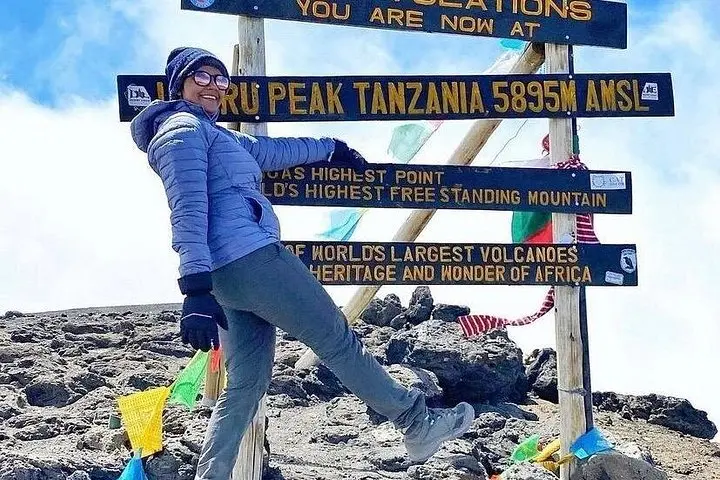
Marangu is the oldest, most established path on Kilimanjaro and the only one with hut accommodations, which is why operators call it the “tourist route.” Its logic is plain: less steep approaches, direct lines between Mandara, Horombo and Kibo huts, and a final push to Uhuru Peak (5,895 m / 19,341 ft). Geologically, Kilimanjaro is a dormant stratovolcano — volcanic cones and crags reveal layers of past eruptions as you rise from the humid rainforest that clamps to the lower slopes to the high desert where frost and sun trade places.
Culturally, the climb runs through Chagga lands; villages on the southern and eastern flanks have long provided guides, porters and local hospitality. Horombo and Mandara huts themselves are part of a climbing tradition: long wooden bunks, shared dinners, and an early-night cadence intended to spare the summit push. Wildlife thins as you gain altitude, but lower down you’ll pass giant lobelia and watch monkeys or colobus in the forest canopy.
Practical realities matter here. The itinerary covers roughly 60–70 km round-trip with total elevation gain exceeding 5,000 m. Typical days range from 4–8 hours of hiking; the summit push is the longest, often starting around midnight for a sunrise on the crater rim. Terrain shifts from muddy forest trails to rocky trails and scree near Kibo; crampons are not required, but poles and steady-footedness are. Weather is decisive — dry months (June–October, and January–February) give the best summit window.
The Marangu Route’s hut system simplifies logistics: you sleep in bunks, meals are provided, and porters carry the bulk of your kit. That convenience can mask altitude risk; acclimatization is the real limiter, not trail difficulty. Bring layered insulation for night hours above 4,000 m, carry a reliable water-treatment method and plan for slow, steady pacing on summit night. If you respect the mountain’s weather and elevation, Marangu rewards with a clear, manageable line to Africa’s rooftop and a climb shaped by local people and decades of mountaineering history.
Marangu is considered one of the less technical routes due to its gradual profiles and hut accommodations, but altitude makes any summit attempt challenging.
No technical experience is required, but prior multi-day trekking and good cardiovascular fitness improve comfort and chances for success.
Huts provide shared bunk rooms with multiple bunks; privacy is limited and a sleeping liner is recommended.
June–October and January–February offer the driest, most stable weather for summit attempts; long rains (March–May) bring slippery trails.
Acute mountain sickness can affect anyone; symptoms and severity vary, so acclimatize slowly, stay hydrated and communicate symptoms to guides immediately.
Most operators include guides and porters; this itinerary provides meals and hut stays, but confirm porter-to-client ratios and tipping policies before departure.
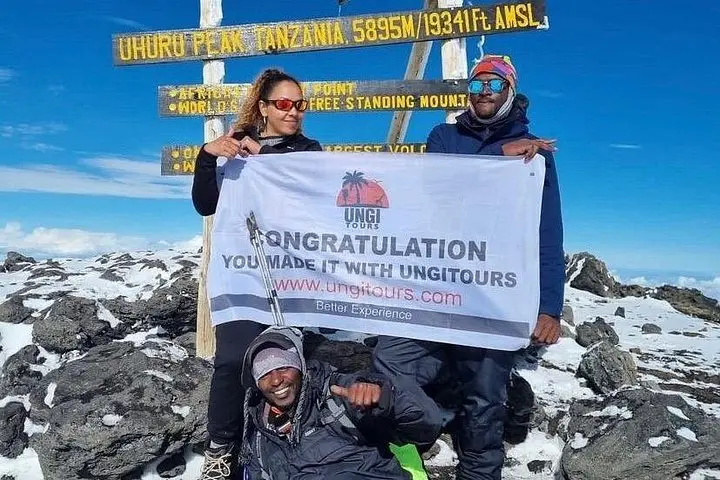
Ungitours operates guided outdoor trips and adventures with an emphasis on safety, stewardship, and memorable experiences.
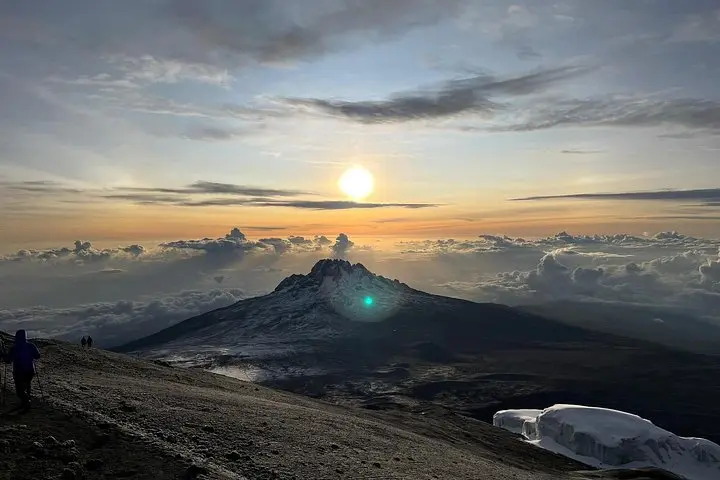
You crest a final ridge before dawn and the air has thinned to a bite that feels alive — the alpine desert ahead seems to hold its breath. A pale arc of city light lies far below; above you, the crater rim waits. This is the payoff of the Marangu Route: a steady, purpose-built climb that moves you through forest, heath, moorland and finally the lunar ramparts of Kibo. Huts punctuate the way, their tin roofs and bunk rows a human rhythm on a wild mountain.
You crest a final ridge before dawn and the air has thinned to a bite that feels alive — the alpine desert ahead seems to hold its breath. A pale arc of city light lies far below; above you, the crater rim waits. This is the payoff of the Marangu Route: a steady, purpose-built climb that moves you through forest, heath, moorland and finally the lunar ramparts of Kibo. Huts punctuate the way, their tin roofs and bunk rows a human rhythm on a wild mountain.
Marangu is the oldest, most established path on Kilimanjaro and the only one with hut accommodations, which is why operators call it the “tourist route.” Its logic is plain: less steep approaches, direct lines between Mandara, Horombo and Kibo huts, and a final push to Uhuru Peak (5,895 m / 19,341 ft). Geologically, Kilimanjaro is a dormant stratovolcano — volcanic cones and crags reveal layers of past eruptions as you rise from the humid rainforest that clamps to the lower slopes to the high desert where frost and sun trade places.
Culturally, the climb runs through Chagga lands; villages on the southern and eastern flanks have long provided guides, porters and local hospitality. Horombo and Mandara huts themselves are part of a climbing tradition: long wooden bunks, shared dinners, and an early-night cadence intended to spare the summit push. Wildlife thins as you gain altitude, but lower down you’ll pass giant lobelia and watch monkeys or colobus in the forest canopy.
Practical realities matter here. The itinerary covers roughly 60–70 km round-trip with total elevation gain exceeding 5,000 m. Typical days range from 4–8 hours of hiking; the summit push is the longest, often starting around midnight for a sunrise on the crater rim. Terrain shifts from muddy forest trails to rocky trails and scree near Kibo; crampons are not required, but poles and steady-footedness are. Weather is decisive — dry months (June–October, and January–February) give the best summit window.
The Marangu Route’s hut system simplifies logistics: you sleep in bunks, meals are provided, and porters carry the bulk of your kit. That convenience can mask altitude risk; acclimatization is the real limiter, not trail difficulty. Bring layered insulation for night hours above 4,000 m, carry a reliable water-treatment method and plan for slow, steady pacing on summit night. If you respect the mountain’s weather and elevation, Marangu rewards with a clear, manageable line to Africa’s rooftop and a climb shaped by local people and decades of mountaineering history.