THE ADVENTURE COLLECTIVE® · Independent discovery and booking for outdoor travel

Transform into a kimono-clad portrait in under an hour in central Naha. This quick, professionally assisted dressing and photography session pairs traditional fabrics with hair and makeup for a polished souvenir.
Transform into a kimono-clad portrait in under an hour in central Naha. This quick, professionally assisted dressing and photography session pairs traditional fabrics with hair and makeup for a polished souvenir.
Stepping into the small studio in central Naha feels like entering a stage set where the island’s humid air gives way to the cool weight of silk and brocade. Staff greet you with practiced calm: a selection of kimono racks arranged by color, a hairstylist ready with pins, and a compact corner transformed into a photography nook. The experience is brief—about an hour—but intense: fabric folded, obi tied, hair set and a quick makeup touch before a series of posed portraits.
Verified experiences and guided adventures in the surrounding area.
Operated by きものすたじお花花 · Naha, Okinawa Prefecture
Stepping into the small studio in central Naha feels like entering a stage set where the island’s humid air gives way to the cool weight of silk and brocade. Staff greet you with practiced calm: a selection of kimono racks arranged by color, a hairstylist ready with pins, and a compact corner transformed into a photography nook. The experience is brief—about an hour—but intense: fabric folded, obi tied, hair set and a quick makeup touch before a series of posed portraits.
Okinawa has its own textile history—Ryukyu bingata dyes and local motifs have long distinguished island garments from mainland kimono—and this studio often carries patterns that nod to that legacy alongside classic kimono and seasonal yukata. While the activity is primarily cultural and photographic, it intersects with urban tourism: you emerge camera-ready, sometimes with a photo print or digital file to anchor the memory.
Expect mostly indoor, seated dressing with minimal physical exertion; staff handle everything from undergarments to footwear. Practicalities matter: arrive with minimal jewelry, plan light layers for quick changes, and allot time for public transit connections in Naha.
This is a fast, accessible way to sample traditional dress, learn a few styling details, and leave with polished portraits. For travelers who want more depth, pair the session with a visit to nearby Shuri Castle or a local textile shop to see the dyes and weaving that inspired many Okinawan patterns.
Yes—many studios offer male kimono and child sizes; confirm availability when booking to reserve specific styles or fittings.
The advertised session is about 60 minutes including dressing, hair/makeup touch, and a short photoshoot; allow extra time for arrival and payment.
Packages vary—some include at least one digital image or print while others sell add-on photos; check the product page before arrival.
Studios typically provide tabi and footwear; small personal accessories are usually allowed but bulky items may need to be removed for dressing.
きものすたじお花花 operates guided outdoor trips and adventures with an emphasis on safety, stewardship, and memorable experiences.
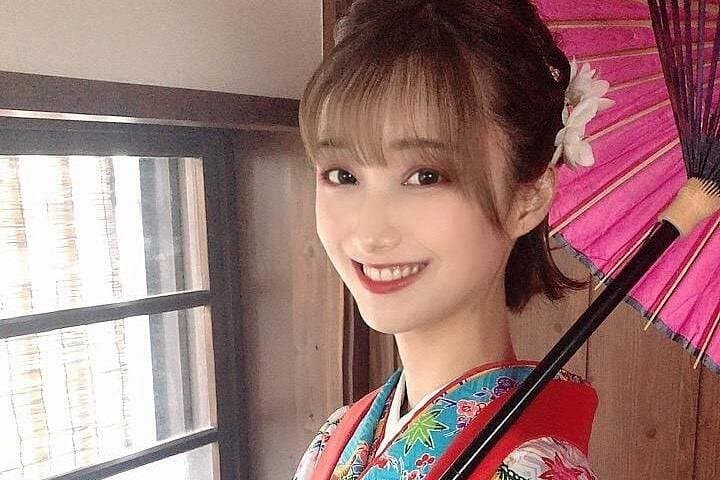
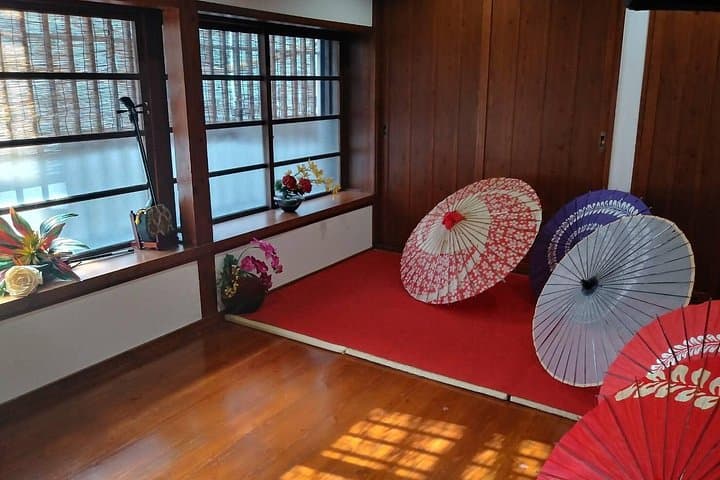
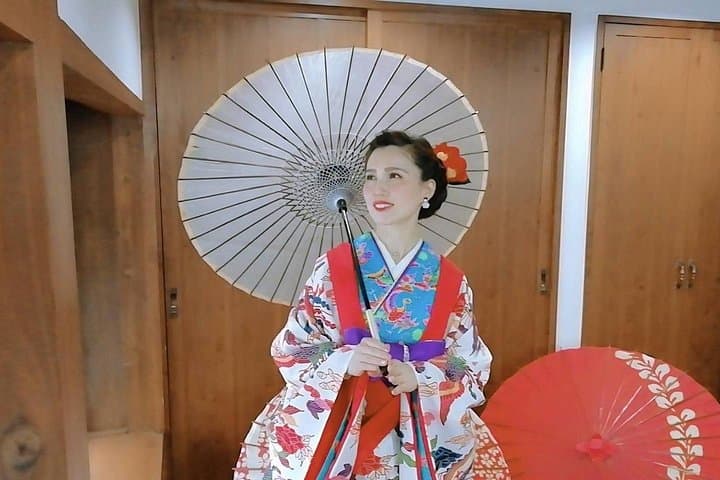
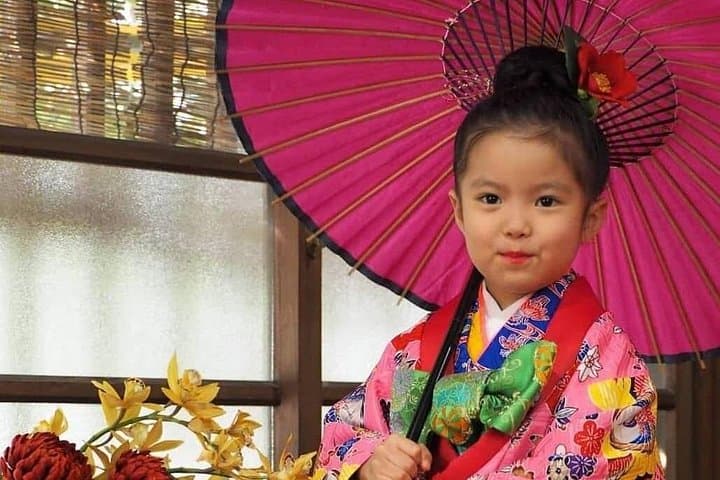
Stepping into the small studio in central Naha feels like entering a stage set where the island’s humid air gives way to the cool weight of silk and brocade. Staff greet you with practiced calm: a selection of kimono racks arranged by color, a hairstylist ready with pins, and a compact corner transformed into a photography nook. The experience is brief—about an hour—but intense: fabric folded, obi tied, hair set and a quick makeup touch before a series of posed portraits.
Stepping into the small studio in central Naha feels like entering a stage set where the island’s humid air gives way to the cool weight of silk and brocade. Staff greet you with practiced calm: a selection of kimono racks arranged by color, a hairstylist ready with pins, and a compact corner transformed into a photography nook. The experience is brief—about an hour—but intense: fabric folded, obi tied, hair set and a quick makeup touch before a series of posed portraits.
Okinawa has its own textile history—Ryukyu bingata dyes and local motifs have long distinguished island garments from mainland kimono—and this studio often carries patterns that nod to that legacy alongside classic kimono and seasonal yukata. While the activity is primarily cultural and photographic, it intersects with urban tourism: you emerge camera-ready, sometimes with a photo print or digital file to anchor the memory.
Expect mostly indoor, seated dressing with minimal physical exertion; staff handle everything from undergarments to footwear. Practicalities matter: arrive with minimal jewelry, plan light layers for quick changes, and allot time for public transit connections in Naha.
This is a fast, accessible way to sample traditional dress, learn a few styling details, and leave with polished portraits. For travelers who want more depth, pair the session with a visit to nearby Shuri Castle or a local textile shop to see the dyes and weaving that inspired many Okinawan patterns.