THE ADVENTURE COLLECTIVE® · Independent discovery and booking for outdoor travel

Dress in a traditional kimono, walk Kagurazaka’s stone alleys and have portraits made at Bishamonten Temple, then warm up with matcha and sweets. This three-hour private experience blends cultural history, expert styling and picturesque streets for memorable photos.
Dress in a traditional kimono, walk Kagurazaka’s stone alleys and have portraits made at Bishamonten Temple, then warm up with matcha and sweets. This three-hour private experience blends cultural history, expert styling and picturesque streets for memorable photos.
You step from Iidabashi station into a narrowing street where stone steps and slanting eaves ruffle the air — silk swishes, hairpins catch light, and a guide threads you through alleys that still remember Edo.
Verified experiences and guided adventures in the surrounding area.
Operated by Enrich Your Travel Japan · Tokyo, Tokyo
You step from Iidabashi station into a narrowing street where stone steps and slanting eaves ruffle the air — silk swishes, hairpins catch light, and a guide threads you through alleys that still remember Edo.
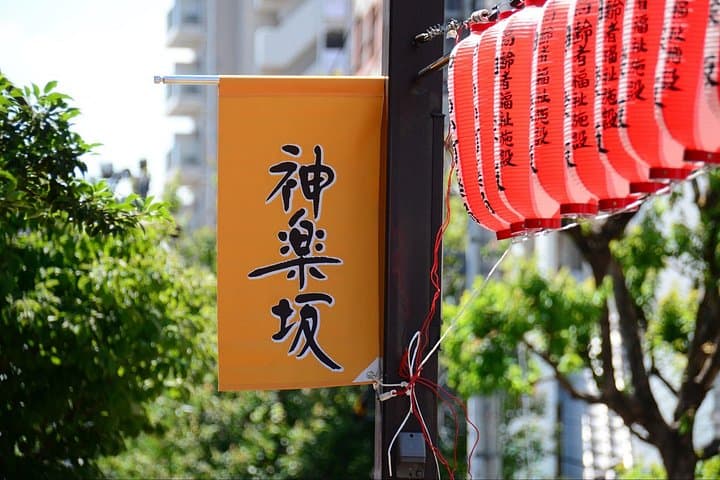
Kagurazaka grew up as an entertainment quarter on the fringes of old Tokyo; its slopes, temples and narrow lanes were shaped by centuries of foot traffic and small rivers that once braided the plain. Today the neighborhood reads like a living archive: Bishamonten (Zenkokuji) keeps its devotees, tiny accessory shops sell kanzashi and netsuke, and French cafés sit cheek-by-jowl with shōtengai storefronts — a cultural palimpsest where kimono silhouettes photograph cleanly against weathered stone and paper lanterns.
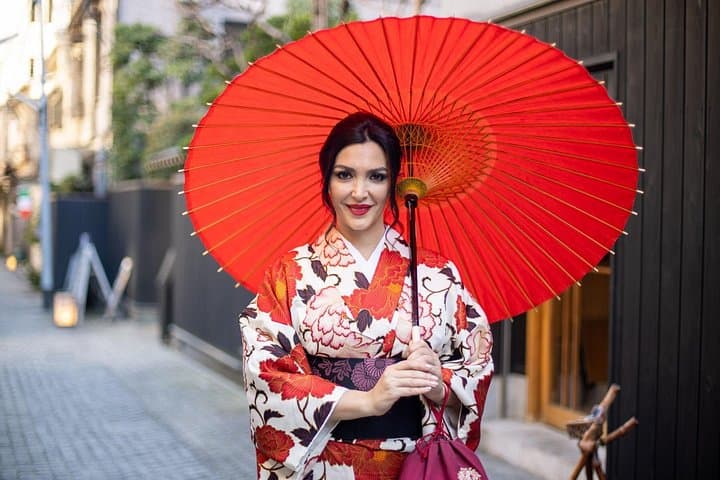
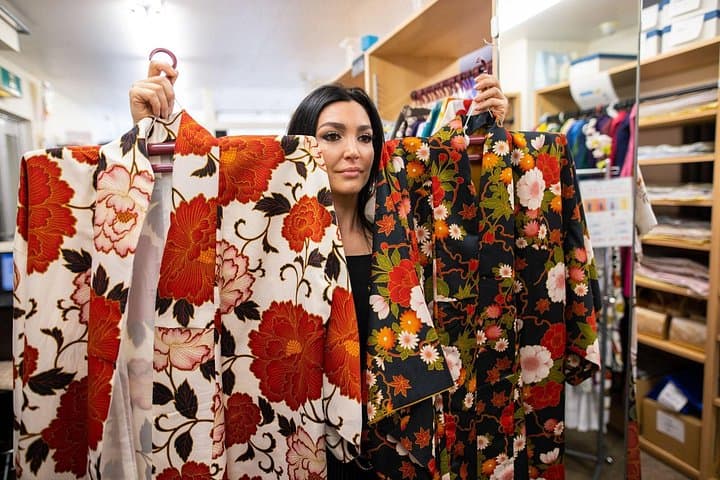
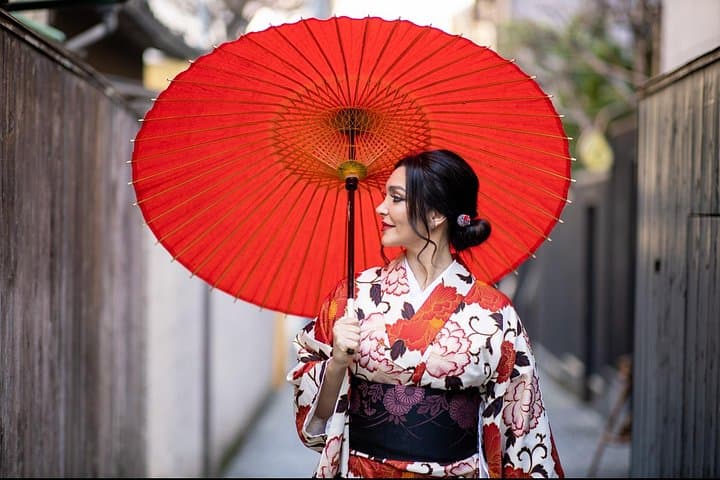
The experience combines practical craft and local ritual. Expect a professional kimono fitting and hair styling, guided shoots on graded slopes and temple grounds, and a relaxed tea-house stop for matcha and wagashi to steady the pose. Props such as wagasa umbrellas and kinchaku bags are supplied; photographers frame both candid strolls and composed portraits.
Plan for 3 hours total: arrive with clean hair, minimal jewelry, and footwear that’s easy to remove for tabi or geta; allow extra time if you want more shopping. Midday can be crowded; early morning or late afternoon yields softer light and quieter alleys. Respect temple etiquette, follow your guide’s directions for kneeling and stepping, and treat rented kimono fabrics gently. This is low-impact, high-reward cultural walking — tactile, photogenic and quietly rooted in Tokyo’s layered history.
Yes — the operator supplies a range of kimono sizes and adjusts fittings; you’ll be measured and styled to ensure a comfortable fit.
Photography service is included; discuss delivery format and turnaround with the provider — most offer digital files and optional prints.
Notify the operator in advance; the tour notes it’s not recommended for those with severe animal allergies, and staff can accommodate most mobility needs but do expect narrow steps.
All sales are final per the booking terms, so plan carefully — some promotional rates require participation in marketing and reviews to receive discounts.
Enrich Your Travel Japan operates guided outdoor trips and adventures with an emphasis on safety, stewardship, and memorable experiences.
You step from Iidabashi station into a narrowing street where stone steps and slanting eaves ruffle the air — silk swishes, hairpins catch light, and a guide threads you through alleys that still remember Edo.
You step from Iidabashi station into a narrowing street where stone steps and slanting eaves ruffle the air — silk swishes, hairpins catch light, and a guide threads you through alleys that still remember Edo.
Kagurazaka grew up as an entertainment quarter on the fringes of old Tokyo; its slopes, temples and narrow lanes were shaped by centuries of foot traffic and small rivers that once braided the plain. Today the neighborhood reads like a living archive: Bishamonten (Zenkokuji) keeps its devotees, tiny accessory shops sell kanzashi and netsuke, and French cafés sit cheek-by-jowl with shōtengai storefronts — a cultural palimpsest where kimono silhouettes photograph cleanly against weathered stone and paper lanterns.
The experience combines practical craft and local ritual. Expect a professional kimono fitting and hair styling, guided shoots on graded slopes and temple grounds, and a relaxed tea-house stop for matcha and wagashi to steady the pose. Props such as wagasa umbrellas and kinchaku bags are supplied; photographers frame both candid strolls and composed portraits.
Plan for 3 hours total: arrive with clean hair, minimal jewelry, and footwear that’s easy to remove for tabi or geta; allow extra time if you want more shopping. Midday can be crowded; early morning or late afternoon yields softer light and quieter alleys. Respect temple etiquette, follow your guide’s directions for kneeling and stepping, and treat rented kimono fabrics gently. This is low-impact, high-reward cultural walking — tactile, photogenic and quietly rooted in Tokyo’s layered history.