THE ADVENTURE COLLECTIVE® · Independent discovery and booking for outdoor travel

Step into Gion wearing a hand-selected kimono and let skilled staff handle dressing, hair, and luggage while you explore Kyoto’s historic streets. This guided rental pairs traditional costume with practical tips for a comfortable, respectful day in the geisha district.
Step into Gion wearing a hand-selected kimono and let skilled staff handle dressing, hair, and luggage while you explore Kyoto’s historic streets. This guided rental pairs traditional costume with practical tips for a comfortable, respectful day in the geisha district.
The narrow lanes of Gion exhale the city’s past: lantern light skims polished wooden eaves while the Shirakawa River threads silver between stone banks. At a small dressing studio a minute from Hanamachi, staff usher visitors into racks of silk—brights, Taisho Roman prints, and classic komon—transforming tourists into moving images of Kyoto.
Verified experiences and guided adventures in the surrounding area.
Operated by Momoka KimonoRental Kimono Experience · Kyoto, Kyoto Prefecture
The narrow lanes of Gion exhale the city’s past: lantern light skims polished wooden eaves while the Shirakawa River threads silver between stone banks. At a small dressing studio a minute from Hanamachi, staff usher visitors into racks of silk—brights, Taisho Roman prints, and classic komon—transforming tourists into moving images of Kyoto.
Gion developed as a pleasure quarter in the Edo period and remains one of Japan’s best-preserved geisha districts; its streets are urban geology, shaped by canals and commerce rather than glaciers. Wearing a kimono here connects the wearer to craft traditions—silk weaving, obi tying, and hairstyling—that evolved over centuries and still hinge on precise folding and layered garments.
Expect attentive, multilingual service: selection, professional dressing, a basic hair style and luggage storage are typically included. Time is structured—most rentals require returning by mid- to late afternoon—so plan your photography and temple visits accordingly. Respect local etiquette: move slowly on narrow sidewalks, avoid blocking shop fronts, and decline photos if a resident requests privacy.
Practical guidance: wear easy-to-remove underlayers and flat shoes for walking; tabi socks and zori sandals are provided but can feel unfamiliar. If you plan cathedral-like temple visits or long walks, choose a simpler kimono pattern and secure pockets for your phone and transport card. For first-timers, trust the staff—kimono wrapping follows specific steps for comfort and modesty.
This is a ritualized, camera-ready way to inhabit Kyoto for a day—visually rich, culturally layered, and best experienced with a calm pace and respect for place.
Most rentals are for a day with a required return time (often mid- to late-afternoon); late or next-day returns incur fees—confirm your booking time.
Some adult kimono have hip-size limits and wearing a kimono while pregnant is typically prohibited—notify staff when booking if this applies.
Yes—rental is designed for sightseeing; choose flat footwear and avoid muddy or steep routes to protect the kimono and maintain comfort.
Many shops treat reservations as final sales; check your booking terms carefully—last-minute cancellations often aren’t refundable.
Momoka KimonoRental Kimono Experience operates guided outdoor trips and adventures with an emphasis on safety, stewardship, and memorable experiences.
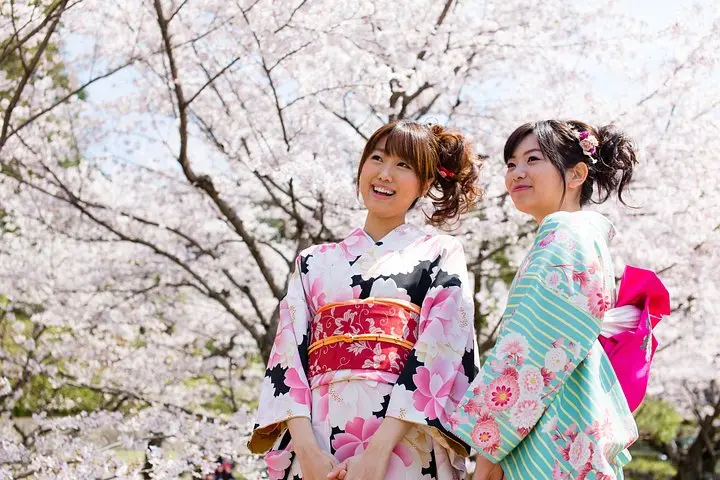

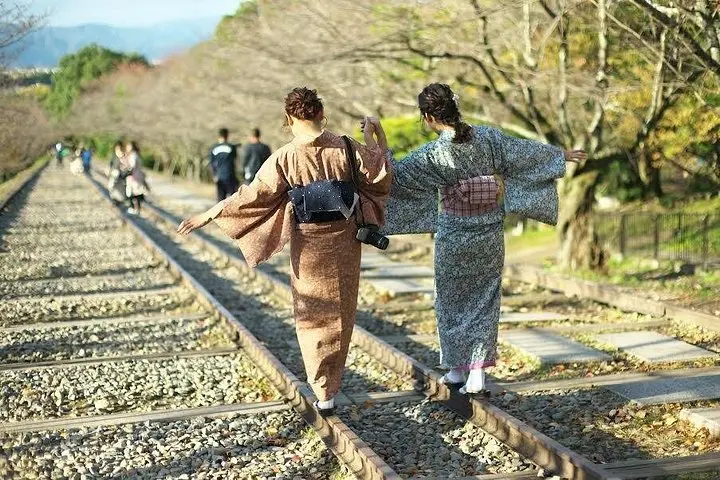
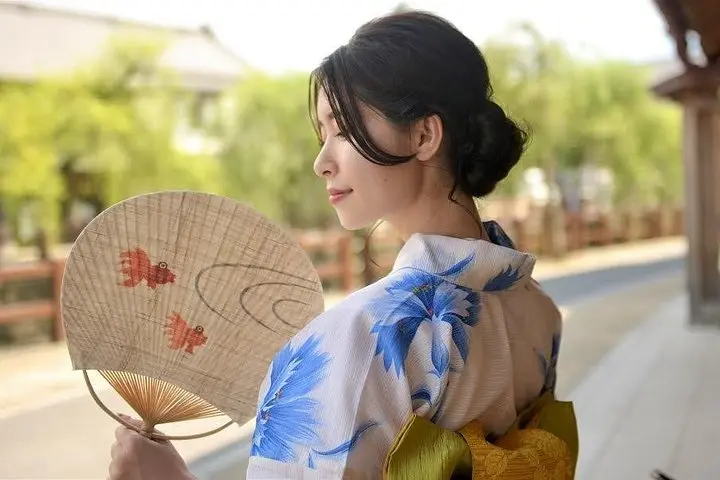
The narrow lanes of Gion exhale the city’s past: lantern light skims polished wooden eaves while the Shirakawa River threads silver between stone banks. At a small dressing studio a minute from Hanamachi, staff usher visitors into racks of silk—brights, Taisho Roman prints, and classic komon—transforming tourists into moving images of Kyoto.
The narrow lanes of Gion exhale the city’s past: lantern light skims polished wooden eaves while the Shirakawa River threads silver between stone banks. At a small dressing studio a minute from Hanamachi, staff usher visitors into racks of silk—brights, Taisho Roman prints, and classic komon—transforming tourists into moving images of Kyoto.
Gion developed as a pleasure quarter in the Edo period and remains one of Japan’s best-preserved geisha districts; its streets are urban geology, shaped by canals and commerce rather than glaciers. Wearing a kimono here connects the wearer to craft traditions—silk weaving, obi tying, and hairstyling—that evolved over centuries and still hinge on precise folding and layered garments.
Expect attentive, multilingual service: selection, professional dressing, a basic hair style and luggage storage are typically included. Time is structured—most rentals require returning by mid- to late afternoon—so plan your photography and temple visits accordingly. Respect local etiquette: move slowly on narrow sidewalks, avoid blocking shop fronts, and decline photos if a resident requests privacy.
Practical guidance: wear easy-to-remove underlayers and flat shoes for walking; tabi socks and zori sandals are provided but can feel unfamiliar. If you plan cathedral-like temple visits or long walks, choose a simpler kimono pattern and secure pockets for your phone and transport card. For first-timers, trust the staff—kimono wrapping follows specific steps for comfort and modesty.
This is a ritualized, camera-ready way to inhabit Kyoto for a day—visually rich, culturally layered, and best experienced with a calm pace and respect for place.