THE ADVENTURE COLLECTIVE® · Independent discovery and booking for outdoor travel

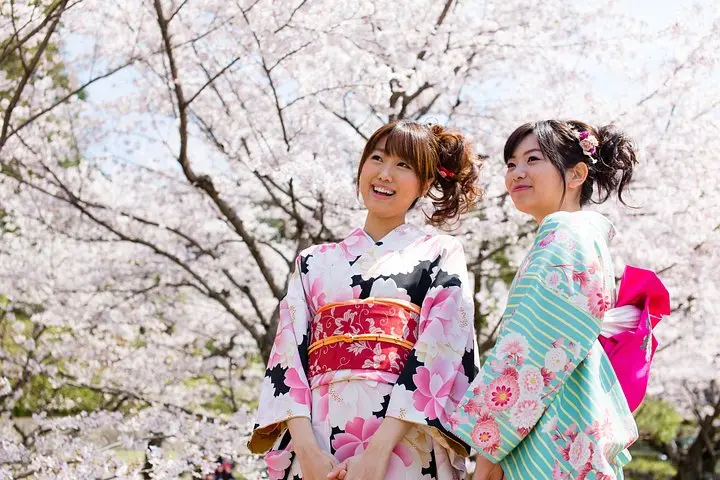
Step into Gion in traditional dress with a full kimono set, hairstyling, and luggage storage just minutes from the chaya district. This service pairs straightforward dressing assistance with prime photo spots and local know‑how for first‑time wearers.
Step into Gion in traditional dress with a full kimono set, hairstyling, and luggage storage just minutes from the chaya district. This service pairs straightforward dressing assistance with prime photo spots and local know‑how for first‑time wearers.
A lantern-lit alley in Gion narrows as you step out from the shop, the clack of zori on stone guiding you toward the old chaya district. The rental shop sits a minute’s walk from Hanamachi, where wooden machiya houses face narrow lanes and the city’s past presses close.
Verified experiences and guided adventures in the surrounding area.
Operated by Momoka KimonoRental Kimono Experience · Kyoto, Kyoto Prefecture
A lantern-lit alley in Gion narrows as you step out from the shop, the clack of zori on stone guiding you toward the old chaya district. The rental shop sits a minute’s walk from Hanamachi, where wooden machiya houses face narrow lanes and the city’s past presses close.
Kimono trace a living history: layered robes evolving from Heian court dress into everyday wear, and now into a ceremonial and photographic tradition. Gion itself grew around the Yasaka Shrine and tea houses where geisha and artisans once kept a strict rhythm; wearing a kimono here is a way to move through that rhythm, respectfully visible among shrines, willow-lined canals, and stone bridges.
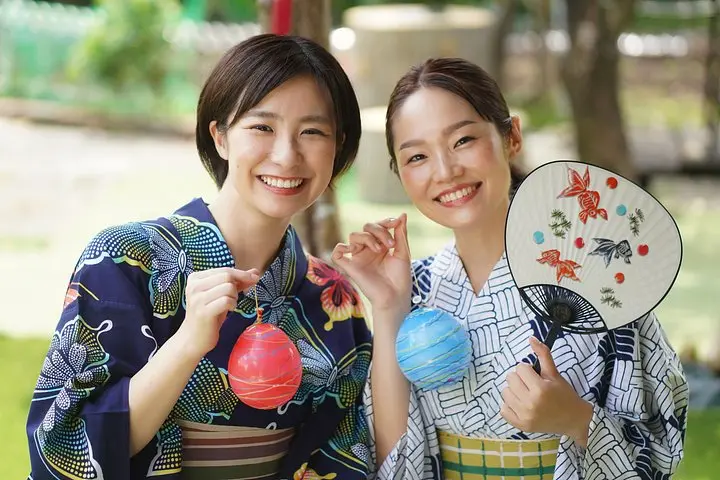
Expect professional dressing and basic hairstyling, complete sets including obi, tabi, and zori, and English and Chinese assistance for first-timers. The service offers luggage storage so you can tour hands-free; note the rental is structured as a daytime use with return by mid-to-late afternoon.
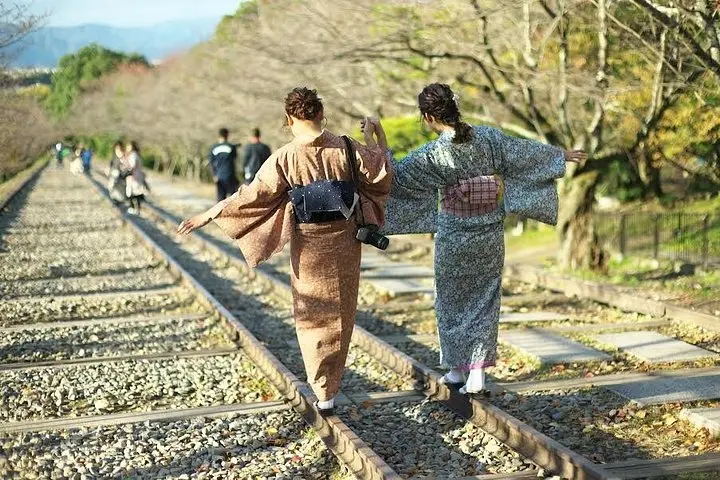
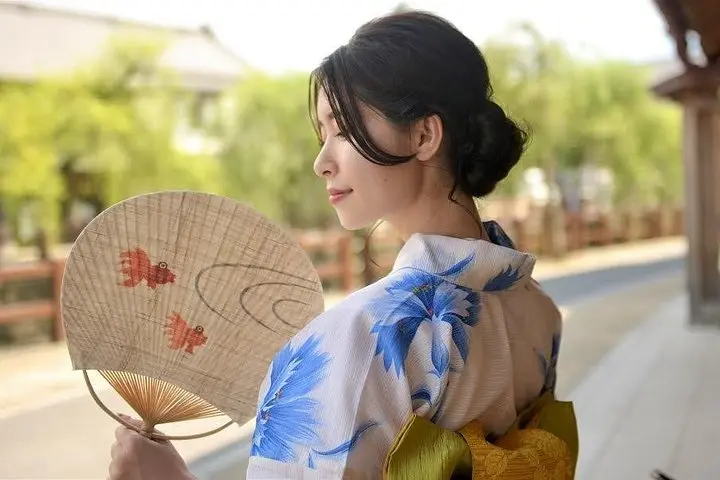
Practical tips: arrive with minimal jewelry and hair down or tied—staff handle styling. Choose lighter fabrics in summer and layer in cooler months; walking in zori takes practice, so allow extra time for photos and crossings. Respect private property and quiet in residential streets; tipping is not customary in Japan. Book early during cherry blossom and autumn color seasons—slots fill quickly.
This experience suits travelers seeking cultural immersion, staged photography, and a close-up of Kyoto’s preserved quarters without the need for specialist skills—just bring a camera, patience, and a sense of etiquette.
The rental is structured for daytime use—typically up to the shop’s return time (confirm at booking); the on-site policy requests you return by late afternoon.
Yes—staff provide assistance in Japanese, English, and Chinese to assist with sizing, dressing, and basic communication.
Yes—this provider offers free on-site luggage storage so you can sightsee hands-free while dressed.
This service notes it is not recommended for pregnant travelers due to tight obis and prolonged standing during dressing and photography.
Momoka KimonoRental Kimono Experience operates guided outdoor trips and adventures with an emphasis on safety, stewardship, and memorable experiences.
A lantern-lit alley in Gion narrows as you step out from the shop, the clack of zori on stone guiding you toward the old chaya district. The rental shop sits a minute’s walk from Hanamachi, where wooden machiya houses face narrow lanes and the city’s past presses close.
A lantern-lit alley in Gion narrows as you step out from the shop, the clack of zori on stone guiding you toward the old chaya district. The rental shop sits a minute’s walk from Hanamachi, where wooden machiya houses face narrow lanes and the city’s past presses close.
Kimono trace a living history: layered robes evolving from Heian court dress into everyday wear, and now into a ceremonial and photographic tradition. Gion itself grew around the Yasaka Shrine and tea houses where geisha and artisans once kept a strict rhythm; wearing a kimono here is a way to move through that rhythm, respectfully visible among shrines, willow-lined canals, and stone bridges.
Expect professional dressing and basic hairstyling, complete sets including obi, tabi, and zori, and English and Chinese assistance for first-timers. The service offers luggage storage so you can tour hands-free; note the rental is structured as a daytime use with return by mid-to-late afternoon.
Practical tips: arrive with minimal jewelry and hair down or tied—staff handle styling. Choose lighter fabrics in summer and layer in cooler months; walking in zori takes practice, so allow extra time for photos and crossings. Respect private property and quiet in residential streets; tipping is not customary in Japan. Book early during cherry blossom and autumn color seasons—slots fill quickly.
This experience suits travelers seeking cultural immersion, staged photography, and a close-up of Kyoto’s preserved quarters without the need for specialist skills—just bring a camera, patience, and a sense of etiquette.