THE ADVENTURE COLLECTIVE® · Independent discovery and booking for outdoor travel

Dress in traditional kimono and explore Arashiyama at your own pace — from the towering bamboo path to the iconic Togetsukyo Bridge and the glowing Kimono Forest. This self-guided experience pairs cultural dressing with a compact, highly walkable route ideal for photos and quiet river moments.
Dress in traditional kimono and explore Arashiyama at your own pace — from the towering bamboo path to the iconic Togetsukyo Bridge and the glowing Kimono Forest. This self-guided experience pairs cultural dressing with a compact, highly walkable route ideal for photos and quiet river moments.
You step out of a low-walled shop into Arashiyama’s cool river air, kimono wrapped and obi tied tight against the city’s hum. Bamboo stalks bend overhead like a quiet corridor; the Katsura River lays broad and slow below Togetsukyo Bridge. Light filters through patterned silk as passersby pause to photograph the traditional silhouette against verdant slopes.
Verified experiences and guided adventures in the surrounding area.
Operated by Kyolan kimono rental (JR SagaArashiyama sta. branch) · Kyoto, Kyoto Prefecture
You step out of a low-walled shop into Arashiyama’s cool river air, kimono wrapped and obi tied tight against the city’s hum. Bamboo stalks bend overhead like a quiet corridor; the Katsura River lays broad and slow below Togetsukyo Bridge. Light filters through patterned silk as passersby pause to photograph the traditional silhouette against verdant slopes.
Arashiyama has been a leisure destination for Kyoto residents since the Heian era, when nobles traveled here for seasonal viewing. The bamboo grove is not ancient geology but a cultivated landscape—bamboo species planted along old footpaths that now direct a steady flow of visitors. Togetsukyo’s wooden span and the nearby Keifuku line station anchor a neighborhood where rural riverside life meets temple culture. The Kimono Forest at Arashiyama Station layers contemporary design over regional textile traditions: illuminated panels display Kyoyuzen patterns when night falls.
Practical guidance: allow 1–4 hours to dress, walk the grove, linger on the bridge, and catch Kimono Forest at dusk. Book a fitting early to avoid midday crowds; the shop provides shoes, bag and socks and permits you to wear the kimono until 6pm. Wear footwear that’s easy to remove or compatible with traditional tabi; carry a small pouch for your essentials. Respect temple boundaries—no loud behavior, step outside for tripod setups, and follow signs near riverbanks. If rain threatens, opt for a short photo session under covered station arcades or the temples’ eaves. For a quieter experience, arrive at first light or after 5pm when tour groups thin and light softens the bamboo’s green.
The rental allows wearing the kimono until 6pm on the same day; confirm pick-up and return details with the shop at booking.
Yes—photography is allowed in public areas; avoid blocking paths and check with the shop about in-house photographers and tripod policies.
The experience is stroller-accessible and suitable for children, but it’s not recommended for pregnant travelers due to restrictive dressing and obi pressure.
The shop is about a 1-minute walk from Keifuku (Randen) Arashiyama Station and is also served by local buses; exact directions are provided after booking.
Kyolan kimono rental (JR SagaArashiyama sta. branch) operates guided outdoor trips and adventures with an emphasis on safety, stewardship, and memorable experiences.
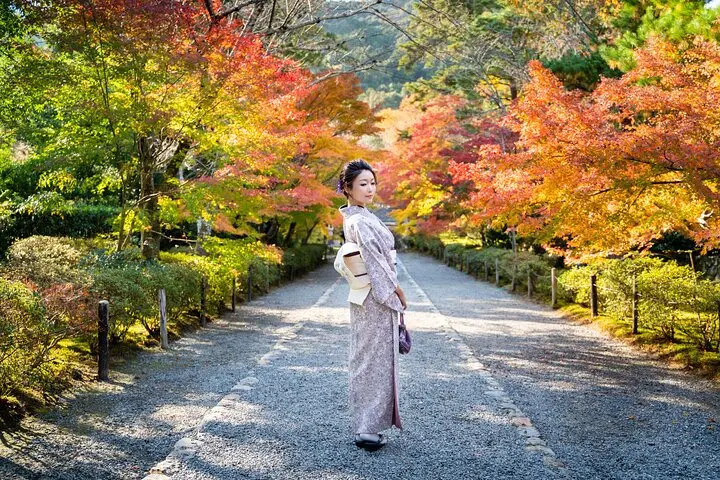
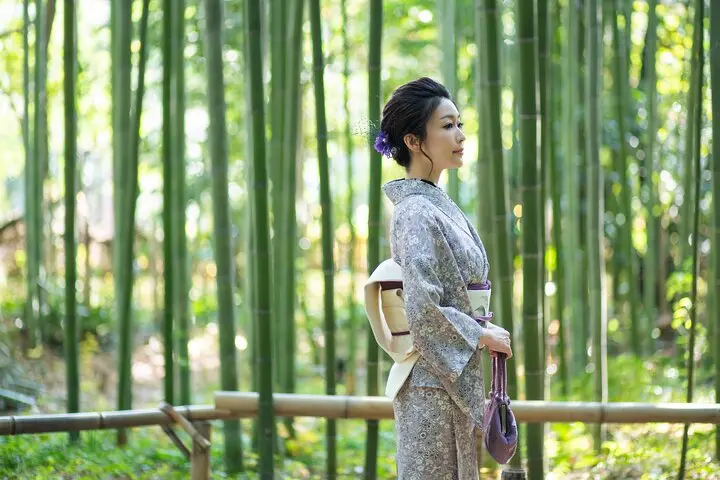
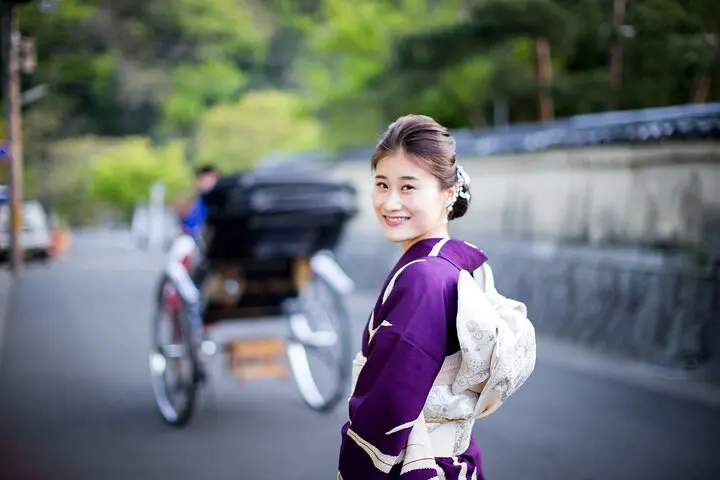
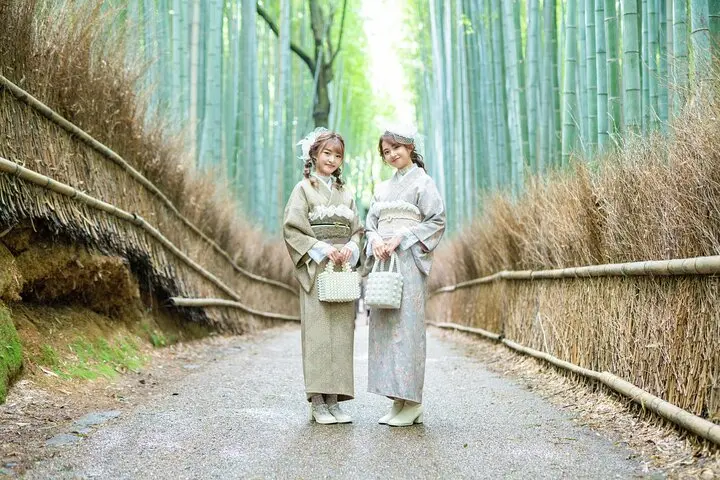
You step out of a low-walled shop into Arashiyama’s cool river air, kimono wrapped and obi tied tight against the city’s hum. Bamboo stalks bend overhead like a quiet corridor; the Katsura River lays broad and slow below Togetsukyo Bridge. Light filters through patterned silk as passersby pause to photograph the traditional silhouette against verdant slopes.
You step out of a low-walled shop into Arashiyama’s cool river air, kimono wrapped and obi tied tight against the city’s hum. Bamboo stalks bend overhead like a quiet corridor; the Katsura River lays broad and slow below Togetsukyo Bridge. Light filters through patterned silk as passersby pause to photograph the traditional silhouette against verdant slopes.
Arashiyama has been a leisure destination for Kyoto residents since the Heian era, when nobles traveled here for seasonal viewing. The bamboo grove is not ancient geology but a cultivated landscape—bamboo species planted along old footpaths that now direct a steady flow of visitors. Togetsukyo’s wooden span and the nearby Keifuku line station anchor a neighborhood where rural riverside life meets temple culture. The Kimono Forest at Arashiyama Station layers contemporary design over regional textile traditions: illuminated panels display Kyoyuzen patterns when night falls.
Practical guidance: allow 1–4 hours to dress, walk the grove, linger on the bridge, and catch Kimono Forest at dusk. Book a fitting early to avoid midday crowds; the shop provides shoes, bag and socks and permits you to wear the kimono until 6pm. Wear footwear that’s easy to remove or compatible with traditional tabi; carry a small pouch for your essentials. Respect temple boundaries—no loud behavior, step outside for tripod setups, and follow signs near riverbanks. If rain threatens, opt for a short photo session under covered station arcades or the temples’ eaves. For a quieter experience, arrive at first light or after 5pm when tour groups thin and light softens the bamboo’s green.