THE ADVENTURE COLLECTIVE® · Independent discovery and booking for outdoor travel

Dress in traditional kimono, stroll the castle town, then sit for a hands-on tea ceremony where you whisk and savor matcha in a temple teahouse. This combined rental-and-ritual gives a compact, photo-friendly introduction to Inuyama’s living samurai-era streets.
Dress in traditional kimono, stroll the castle town, then sit for a hands-on tea ceremony where you whisk and savor matcha in a temple teahouse. This combined rental-and-ritual gives a compact, photo-friendly introduction to Inuyama’s living samurai-era streets.
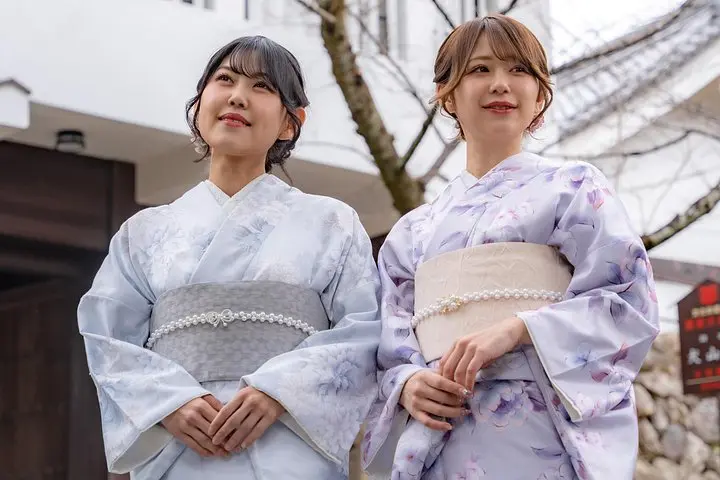
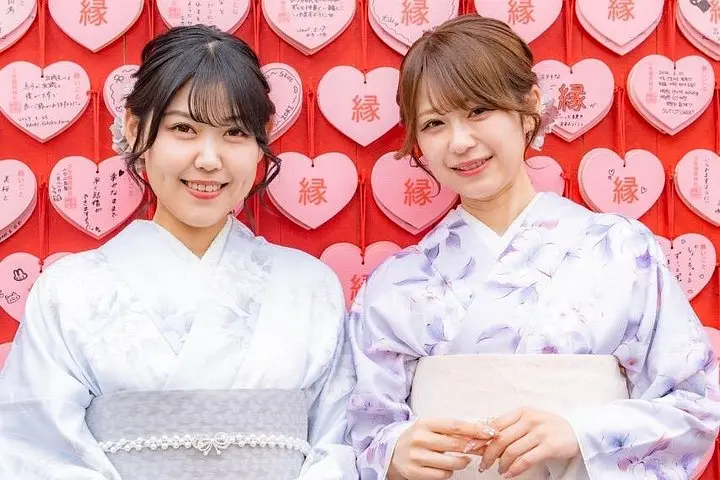
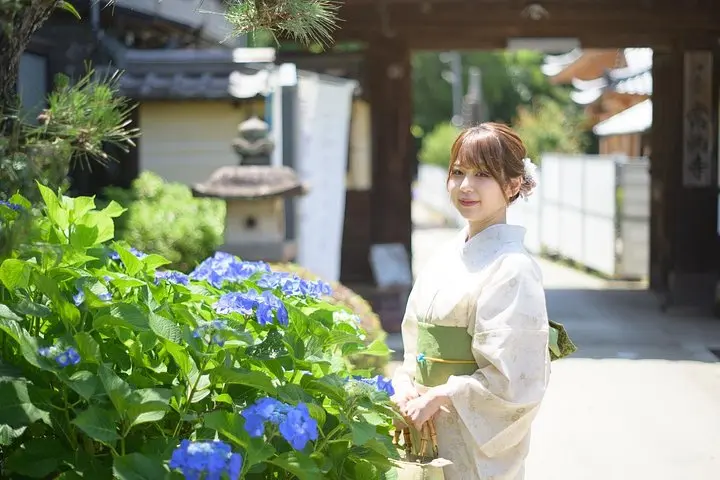
You step out of the kimono shop with fabric drawn tight and obi tied firm, the wooden clack of geta on stone lanes setting a steady rhythm.
Verified experiences and guided adventures in the surrounding area.
Operated by いぬやま小町 · Inuyama, Aichi Prefecture
You step out of the kimono shop with fabric drawn tight and obi tied firm, the wooden clack of geta on stone lanes setting a steady rhythm.
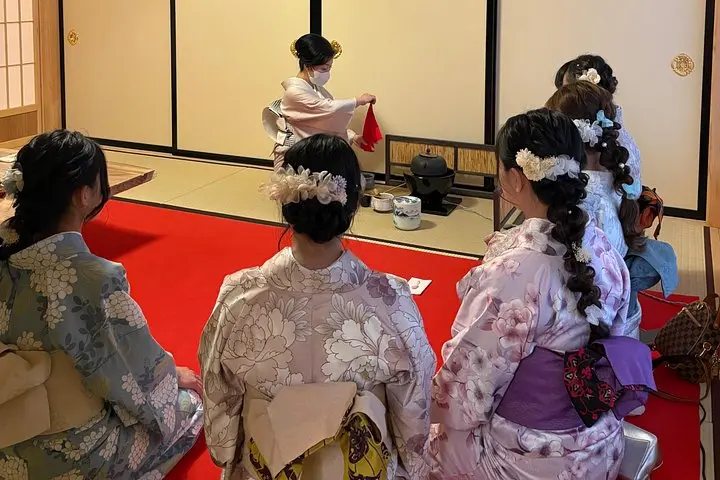
Inuyama Castle looms above the Kiso River, its black-and-white keep daring you toward the hilltop and the maze of Edo-period streets below. The experience pairs the tactile ceremony of dressing with a hands-on tea ritual inside a quiet temple teahouse — you whisk your own matcha, breathe in powdered green tea and the cedar-scented hush of tatami.
Inuyama is one of Japan’s oldest castle towns; the keep dates to the 16th century and survives as a national treasure. The city’s geology — river-carved lowlands feeding gentle hills — shaped the compact streets and stone bridges you’ll stroll. Cultural threads run long here: samurai estates, teahouses like Urakuen with its historic Jo-an structure, and local sweets vendors who’ve fed festival crowds for generations.
Practical guidance: rentals last the day, so plan a short loop — castle, Urakuen Garden, and the riverbank — to avoid rushed dressing and redressing. Wear easy-to-remove shoes (zori or geta will be provided), bring a small bag for loose items, and allow 30–45 minutes for the tea ceremony itself. Public transport serves Inuyama well from Nagoya; expect mild walking on cobbled streets and occasional steps. Respect temple etiquette: bow, speak softly, and leave phones off in the tea room.
This pairing offers a compact cultural immersion that’s photo-ready yet quietly instructive — a slow-motion way to feel historic Japan under your sleeves.
No; staff typically guide dressing and the tea ceremony with clear demonstrations and simple English instructions.
No; rentals are for the day only and must be returned to the shop at the agreed time.
This activity is not recommended for pregnant travelers due to tight kimono fitting and standing during the ceremony.
Photography is sometimes restricted in the tea room out of respect; ask staff beforehand and follow posted guidelines.
いぬやま小町 operates guided outdoor trips and adventures with an emphasis on safety, stewardship, and memorable experiences.
You step out of the kimono shop with fabric drawn tight and obi tied firm, the wooden clack of geta on stone lanes setting a steady rhythm.
You step out of the kimono shop with fabric drawn tight and obi tied firm, the wooden clack of geta on stone lanes setting a steady rhythm.
Inuyama Castle looms above the Kiso River, its black-and-white keep daring you toward the hilltop and the maze of Edo-period streets below. The experience pairs the tactile ceremony of dressing with a hands-on tea ritual inside a quiet temple teahouse — you whisk your own matcha, breathe in powdered green tea and the cedar-scented hush of tatami.
Inuyama is one of Japan’s oldest castle towns; the keep dates to the 16th century and survives as a national treasure. The city’s geology — river-carved lowlands feeding gentle hills — shaped the compact streets and stone bridges you’ll stroll. Cultural threads run long here: samurai estates, teahouses like Urakuen with its historic Jo-an structure, and local sweets vendors who’ve fed festival crowds for generations.
Practical guidance: rentals last the day, so plan a short loop — castle, Urakuen Garden, and the riverbank — to avoid rushed dressing and redressing. Wear easy-to-remove shoes (zori or geta will be provided), bring a small bag for loose items, and allow 30–45 minutes for the tea ceremony itself. Public transport serves Inuyama well from Nagoya; expect mild walking on cobbled streets and occasional steps. Respect temple etiquette: bow, speak softly, and leave phones off in the tea room.
This pairing offers a compact cultural immersion that’s photo-ready yet quietly instructive — a slow-motion way to feel historic Japan under your sleeves.