THE ADVENTURE COLLECTIVE® · Independent discovery and booking for outdoor travel

Spend five days living with Karen homestays, tracking semi-wild elephants and searching for gibbons in a community-led conservation program. This immersive itinerary blends moderate forest hikes with hands-on village activities and cultural exchange.
Spend five days living with Karen homestays, tracking semi-wild elephants and searching for gibbons in a community-led conservation program. This immersive itinerary blends moderate forest hikes with hands-on village activities and cultural exchange.
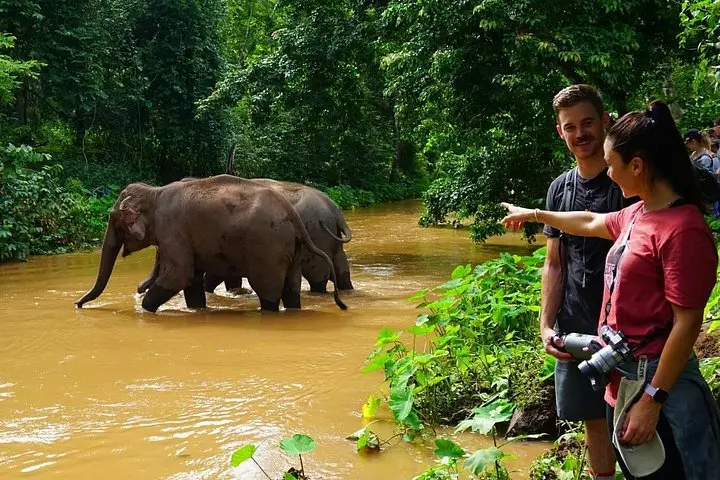
Morning mist lifts off the foothills as volunteers board a private van from Chiang Mai, slipping through karst ridges and teak forest toward two small Karen villages. By midmorning you arrive at a thatch homestay where elephant tracks thread the trails and distant gibbon calls punctuate the air — the pace here is measured by animal movement and village rhythms.
Verified experiences and guided adventures in the surrounding area.
Operated by Kindred Spirit Elephant Sanctuary · Chiang Mai, Chiang Mai Province
Morning mist lifts off the foothills as volunteers board a private van from Chiang Mai, slipping through karst ridges and teak forest toward two small Karen villages. By midmorning you arrive at a thatch homestay where elephant tracks thread the trails and distant gibbon calls punctuate the air — the pace here is measured by animal movement and village rhythms.
The program threads natural history with living culture: the Karen communities have farmed this landscape for generations, shaping switchback terraces and planting coffee, rice, and tea among limestone outcrops and secondary rainforest. Geologically the area is a patchwork of older metamorphic foothills and younger sedimentary karst where caves and steep ridgelines channel wildlife corridors.
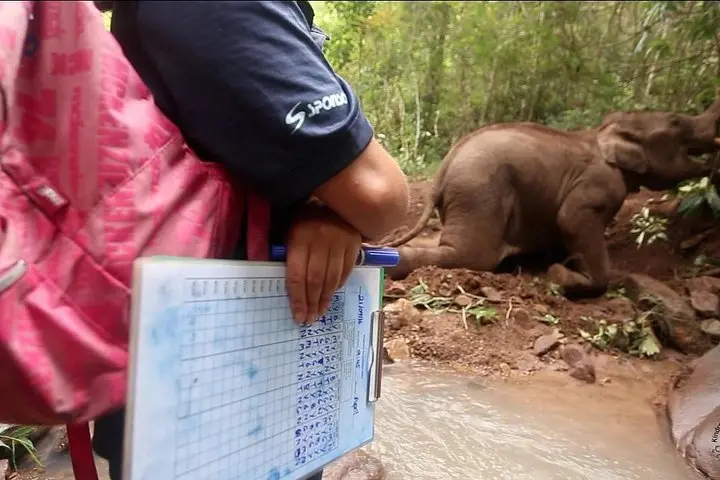
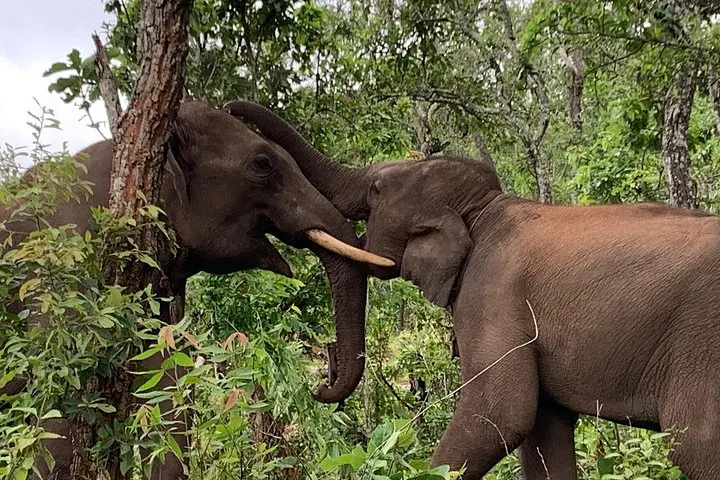
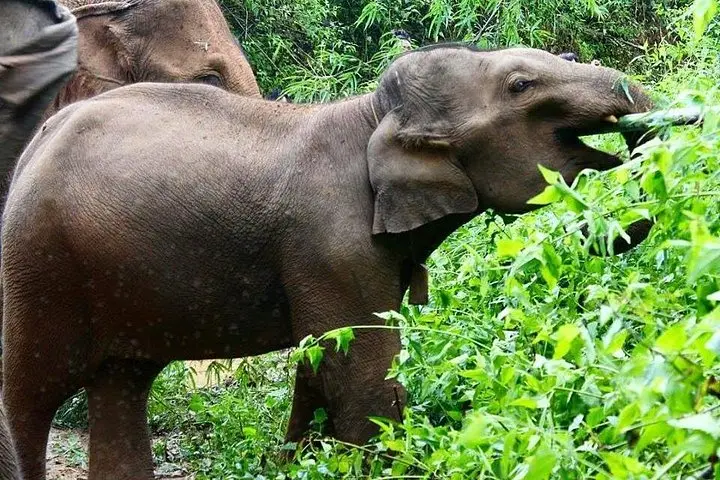
Across five days volunteers alternate forest hikes to observe semi-wild elephants, village-based care sessions, and excursions to a pioneering gibbon-recovery project — Thailand’s first focused gibbon encounters initiative. Evenings are practical and communal: shared meals, weaving lessons, and short talks about human-wildlife coexistence and habitat restoration.
Expect moderate hiking on uneven forest tracks, humid daytime heat, and early wake-ups to follow animal activity. Sightings are common but never guaranteed; the program emphasizes non-invasive observation and community-led conservation.
Practical guidance: bring breathable layers, sturdy treaded shoes, and insect protection; pack modest clothing covering knees and shoulders to respect local customs. Hydrate proactively and plan for simple homestay accommodations without luxury amenities. For travelers seeking a hands-on, culturally grounded wildlife experience, this itinerary balances fieldwork, immersion, and meaningful contributions to local conservation efforts.
No — both are wild or semi-wild; the itinerary maximizes chances with early hikes and local guides but sightings cannot be guaranteed.
Accommodation is village homestays: simple, clean rooms with shared facilities and meals prepared by hosts.
Not recommended for pregnant travelers; children may participate but fitness and safety considerations should be discussed with organizers.
Routine travel vaccinations are advised; consult your healthcare provider about Hepatitis A, typhoid, and malaria precautions based on season and route.
Kindred Spirit Elephant Sanctuary operates guided outdoor trips and adventures with an emphasis on safety, stewardship, and memorable experiences.
Morning mist lifts off the foothills as volunteers board a private van from Chiang Mai, slipping through karst ridges and teak forest toward two small Karen villages. By midmorning you arrive at a thatch homestay where elephant tracks thread the trails and distant gibbon calls punctuate the air — the pace here is measured by animal movement and village rhythms.
Morning mist lifts off the foothills as volunteers board a private van from Chiang Mai, slipping through karst ridges and teak forest toward two small Karen villages. By midmorning you arrive at a thatch homestay where elephant tracks thread the trails and distant gibbon calls punctuate the air — the pace here is measured by animal movement and village rhythms.
The program threads natural history with living culture: the Karen communities have farmed this landscape for generations, shaping switchback terraces and planting coffee, rice, and tea among limestone outcrops and secondary rainforest. Geologically the area is a patchwork of older metamorphic foothills and younger sedimentary karst where caves and steep ridgelines channel wildlife corridors.
Across five days volunteers alternate forest hikes to observe semi-wild elephants, village-based care sessions, and excursions to a pioneering gibbon-recovery project — Thailand’s first focused gibbon encounters initiative. Evenings are practical and communal: shared meals, weaving lessons, and short talks about human-wildlife coexistence and habitat restoration.
Expect moderate hiking on uneven forest tracks, humid daytime heat, and early wake-ups to follow animal activity. Sightings are common but never guaranteed; the program emphasizes non-invasive observation and community-led conservation.
Practical guidance: bring breathable layers, sturdy treaded shoes, and insect protection; pack modest clothing covering knees and shoulders to respect local customs. Hydrate proactively and plan for simple homestay accommodations without luxury amenities. For travelers seeking a hands-on, culturally grounded wildlife experience, this itinerary balances fieldwork, immersion, and meaningful contributions to local conservation efforts.