THE ADVENTURE COLLECTIVE® · Independent discovery and booking for outdoor travel

Spend a full spring day from Seoul visiting Suwon Hwaseong Fortress, Pyeongtaek’s flower fields and the king cherry trees at Gakwonsa Temple. This guided loop pairs history, festival gardens and concentrated cherry-blossom viewing with convenient round-trip transport.
Spend a full spring day from Seoul visiting Suwon Hwaseong Fortress, Pyeongtaek’s flower fields and the king cherry trees at Gakwonsa Temple. This guided loop pairs history, festival gardens and concentrated cherry-blossom viewing with convenient round-trip transport.
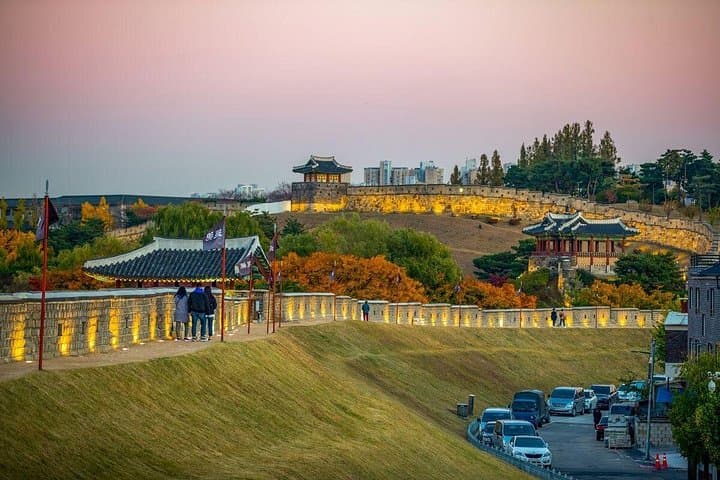
Morning light breaks over highway viaducts as the shuttle eases out of Seoul and into low, cultivated hills—by midmorning you’re threading along fortress walls and avenues painted in pale pink. The tour lands you at Suwon Hwaseong Fortress first, where broad stone ramparts curve above the city and offer sweeping views before the petals take center stage.
Verified experiences and guided adventures in the surrounding area.
Operated by Lecirt · Suwon, Gyeonggi-do
Morning light breaks over highway viaducts as the shuttle eases out of Seoul and into low, cultivated hills—by midmorning you’re threading along fortress walls and avenues painted in pale pink. The tour lands you at Suwon Hwaseong Fortress first, where broad stone ramparts curve above the city and offer sweeping views before the petals take center stage.
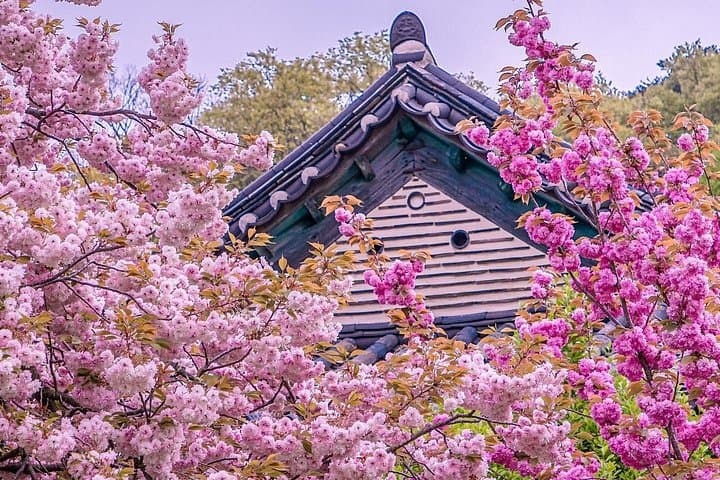
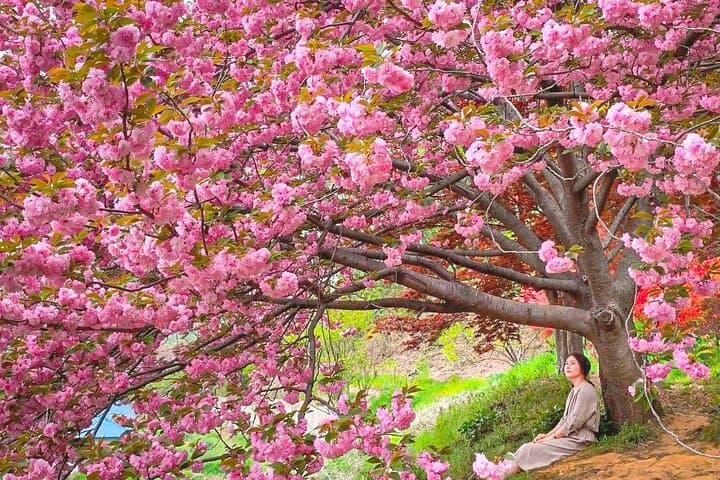
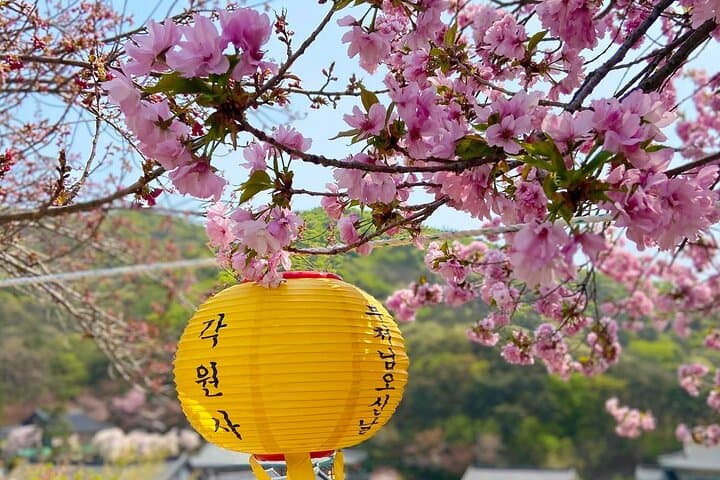
Hwaseong is a late 18th-century military and urban project commissioned by King Jeongjo; its brick and stone echo a pragmatic blend of Joseon-era engineering and geomantic planning. The route then shifts south to Pyeongtaek’s spring flower festival—vast beds of tulips and plum blossoms laid out like seasonal exhibitions—and finishes among the towering king cherry trees at Gakwonsa Temple, a major temple complex known locally for ceremonial architecture and a large Buddha statue.
Expect paved promenades, brief uphill sections on fortress walls, and level walking through festival lawns. The cherry trees create sheltered alleys that scatter breeze-driven snowfalls of petals; the temple grounds are quieter, cool with incense and temple bells marking time.
Practical edge: this is a full-day, guided, hop-on/hop-off-style loop with timed entry at attractions and scheduled return to Seoul. Bring a day pack with water, a light rain shell, comfortable walking shoes, and a camera with extra battery. Arrive early in the season for peak blooms; weekends are busiest. The tour suits travelers wanting cultural context, easy walking, and concentrated spring scenery without self-driving logistics.
This is an approximately 11-hour day tour departing from central Seoul pickup points (Hongik Univ., Myeongdong, Dongdaemun) with round-trip transportation included.
Admissions specified in the itinerary (such as Suwon Hwaseong and Gakwonsa temple entry where noted) are included; check the tour confirmation for exact inclusions.
Yes—it's rated easy with mostly short, manageable walks; infants should sit on an adult’s lap on the coach per tour policy.
Late March to mid-April is the typical window in this region, but bloom timing varies with weather—check local cherry blossom forecasts before booking.
Lecirt operates guided outdoor trips and adventures with an emphasis on safety, stewardship, and memorable experiences.
Morning light breaks over highway viaducts as the shuttle eases out of Seoul and into low, cultivated hills—by midmorning you’re threading along fortress walls and avenues painted in pale pink. The tour lands you at Suwon Hwaseong Fortress first, where broad stone ramparts curve above the city and offer sweeping views before the petals take center stage.
Morning light breaks over highway viaducts as the shuttle eases out of Seoul and into low, cultivated hills—by midmorning you’re threading along fortress walls and avenues painted in pale pink. The tour lands you at Suwon Hwaseong Fortress first, where broad stone ramparts curve above the city and offer sweeping views before the petals take center stage.
Hwaseong is a late 18th-century military and urban project commissioned by King Jeongjo; its brick and stone echo a pragmatic blend of Joseon-era engineering and geomantic planning. The route then shifts south to Pyeongtaek’s spring flower festival—vast beds of tulips and plum blossoms laid out like seasonal exhibitions—and finishes among the towering king cherry trees at Gakwonsa Temple, a major temple complex known locally for ceremonial architecture and a large Buddha statue.
Expect paved promenades, brief uphill sections on fortress walls, and level walking through festival lawns. The cherry trees create sheltered alleys that scatter breeze-driven snowfalls of petals; the temple grounds are quieter, cool with incense and temple bells marking time.
Practical edge: this is a full-day, guided, hop-on/hop-off-style loop with timed entry at attractions and scheduled return to Seoul. Bring a day pack with water, a light rain shell, comfortable walking shoes, and a camera with extra battery. Arrive early in the season for peak blooms; weekends are busiest. The tour suits travelers wanting cultural context, easy walking, and concentrated spring scenery without self-driving logistics.