THE ADVENTURE COLLECTIVE® · Independent discovery and booking for outdoor travel

Explore KV62 and Howard Carter’s restored house on a private, customizable day tour from Luxor. Expect close-up archaeology, compact tomb spaces, and a guided walk through the valley’s geology and New Kingdom history.
Explore KV62 and Howard Carter’s restored house on a private, customizable day tour from Luxor. Expect close-up archaeology, compact tomb spaces, and a guided walk through the valley’s geology and New Kingdom history.
You step out of the van onto sun-baked limestone, the desert wind nudging sand across the path as the Valley of the Kings yawns before you — a line of low, carved entrances cut into the Nile-side cliffs. The air carries a faint dust-sweet smell; guidebooks and local stories feel immediate when you walk the narrow passage toward KV62, the small, undisturbed tomb that made a young pharaoh famous.
Verified experiences and guided adventures in the surrounding area.
Operated by Eyes of Egypt · Luxor, Luxor Governorate
You step out of the van onto sun-baked limestone, the desert wind nudging sand across the path as the Valley of the Kings yawns before you — a line of low, carved entrances cut into the Nile-side cliffs. The air carries a faint dust-sweet smell; guidebooks and local stories feel immediate when you walk the narrow passage toward KV62, the small, undisturbed tomb that made a young pharaoh famous.
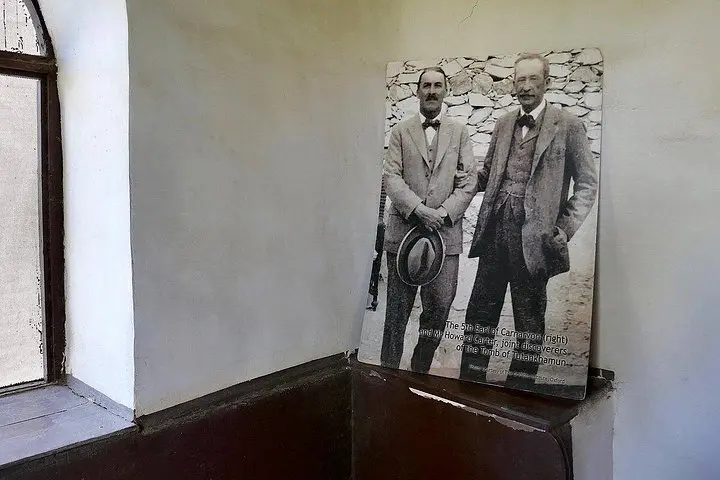
This private tour pairs two linked chapters of Egyptology: King Tutankhamun’s tomb — discovered by Howard Carter in 1922 — and Carter’s nearby house-turned-museum. Geologically, the valley is Upper Cretaceous limestone and sandstone; tomb builders exploited natural fissures and benches to carve burial chambers. Culturally, the site reflects New Kingdom funerary practice, painted walls that still hold pigments and iconography describing the pharaoh’s journey to the afterlife.
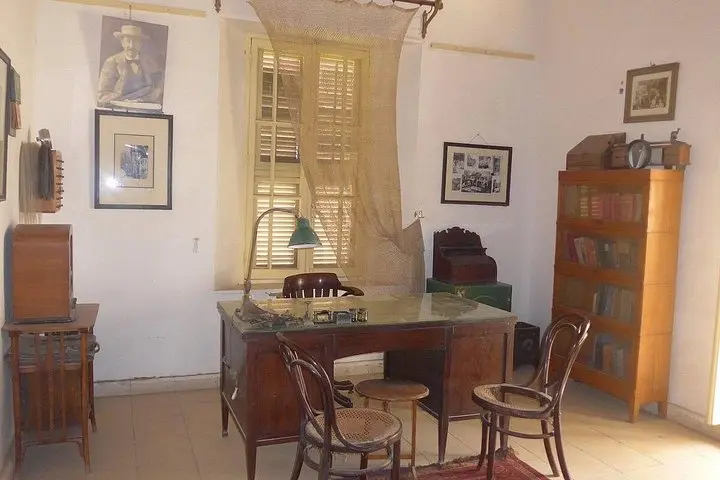
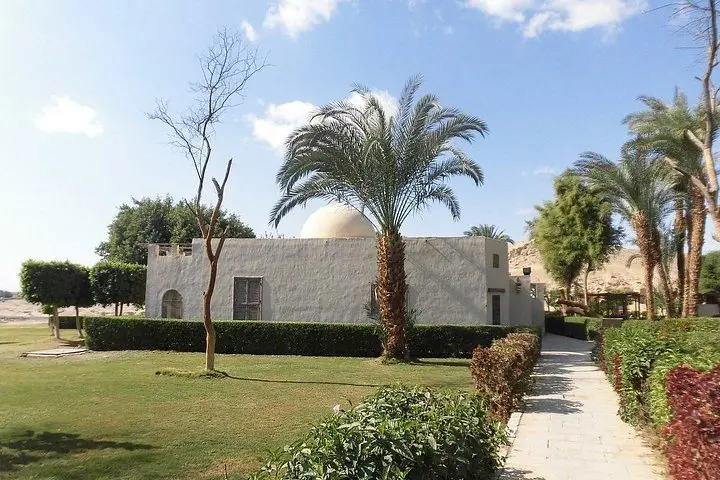
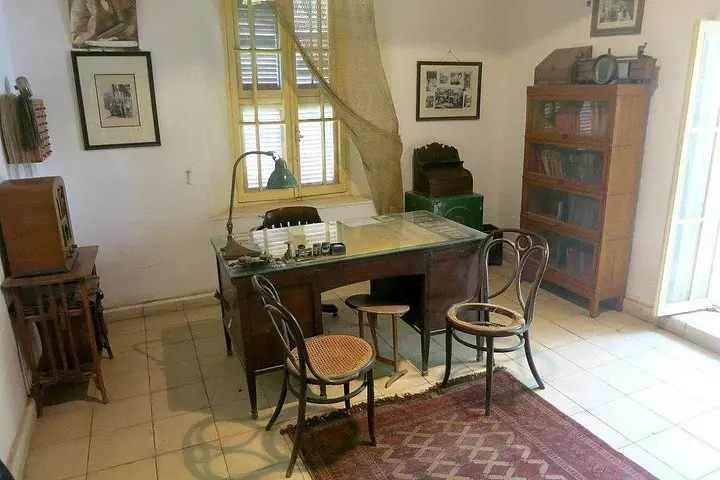
Expect close, compact spaces in the tomb, vivid (and fragile) painted reliefs in surrounding royal tombs, and a calm, interpretive visit at Carter’s restored study and displays. Local guides connect archaeological detail to everyday life in Luxor: how tomb construction, Nile agriculture, and modern tourism intertwine.
Practical notes: this is a low-impact day tour lasting roughly 5–6 hours with short walks over uneven ground and steps. Bring sun protection, a refillable water bottle, and comfortable walking shoes. Morning departures beat heat and crowds; respect photography rules inside certain tombs and follow your guide to preserve fragile surfaces. The private format gives flexibility for pace, questions, and extra stops like the Colossi of Memnon on the return drive.
Full-package private tours usually include entry tickets; confirm with the operator at booking if you want tickets handled.
Photography rules vary by tomb; some allow no flash or no photography at all—your guide will explain restrictions on-site.
The tour is family-friendly but involves steps and short narrow passages; the experience may be difficult for people with significant mobility limitations despite accessible transfer options.
Private options typically include hotel pickup and drop-off by English-speaking driver; confirm pickup location and time when booking.
Eyes of Egypt operates guided outdoor trips and adventures with an emphasis on safety, stewardship, and memorable experiences.
You step out of the van onto sun-baked limestone, the desert wind nudging sand across the path as the Valley of the Kings yawns before you — a line of low, carved entrances cut into the Nile-side cliffs. The air carries a faint dust-sweet smell; guidebooks and local stories feel immediate when you walk the narrow passage toward KV62, the small, undisturbed tomb that made a young pharaoh famous.
You step out of the van onto sun-baked limestone, the desert wind nudging sand across the path as the Valley of the Kings yawns before you — a line of low, carved entrances cut into the Nile-side cliffs. The air carries a faint dust-sweet smell; guidebooks and local stories feel immediate when you walk the narrow passage toward KV62, the small, undisturbed tomb that made a young pharaoh famous.
This private tour pairs two linked chapters of Egyptology: King Tutankhamun’s tomb — discovered by Howard Carter in 1922 — and Carter’s nearby house-turned-museum. Geologically, the valley is Upper Cretaceous limestone and sandstone; tomb builders exploited natural fissures and benches to carve burial chambers. Culturally, the site reflects New Kingdom funerary practice, painted walls that still hold pigments and iconography describing the pharaoh’s journey to the afterlife.
Expect close, compact spaces in the tomb, vivid (and fragile) painted reliefs in surrounding royal tombs, and a calm, interpretive visit at Carter’s restored study and displays. Local guides connect archaeological detail to everyday life in Luxor: how tomb construction, Nile agriculture, and modern tourism intertwine.
Practical notes: this is a low-impact day tour lasting roughly 5–6 hours with short walks over uneven ground and steps. Bring sun protection, a refillable water bottle, and comfortable walking shoes. Morning departures beat heat and crowds; respect photography rules inside certain tombs and follow your guide to preserve fragile surfaces. The private format gives flexibility for pace, questions, and extra stops like the Colossi of Memnon on the return drive.