THE ADVENTURE COLLECTIVE® · Independent discovery and booking for outdoor travel

Walk the King William District and trade downtown bustle for leafy streets, grand 19th-century homes, and local stories that reveal San Antonio’s immigrant past. This two-hour neighborhood tour pairs architecture with neighborhood biography and practical route tips.
Walk the King William District and trade downtown bustle for leafy streets, grand 19th-century homes, and local stories that reveal San Antonio’s immigrant past. This two-hour neighborhood tour pairs architecture with neighborhood biography and practical route tips.
You step out under the gazebo in King William Park and the neighborhood opens like a page from San Antonio’s past: broad oaks shading brick sidewalks, ironwork gates that have seen generations, and facades that change from painted Victorian to restrained neoclassical as you walk.
Verified experiences and guided adventures in the surrounding area.
Operated by Amigo Walking Tours · San Antonio, Texas
You step out under the gazebo in King William Park and the neighborhood opens like a page from San Antonio’s past: broad oaks shading brick sidewalks, ironwork gates that have seen generations, and facades that change from painted Victorian to restrained neoclassical as you walk.
Once home to German immigrants and civic leaders of the 19th century, the King William District preserves a chapter of San Antonio’s growth when craftsmen and entrepreneurs reshaped the riverfront. The houses themselves are geology in miniature—brick, limestone and stucco fashioned from local materials—while the streets trace early urban patterns that resisted modern razing.
Culturally, the area reflects German-Texan influence: churches, social clubs, and family-run businesses left an imprint on foodways and festivals. Guides illuminate personal stories here—enterprising architects, civic debates, even an old cold case—so the tour reads as neighborhood biography rather than a checklist of sights.
Practical guidance: the route is a relaxed, two-hour walking loop starting and finishing at the gazebo (131 King William St.). Expect mostly flat sidewalks with some uneven paving near older homes; seating is limited, and public restrooms are scarce. Bring a refillable water bottle, sun protection for summer, and light layers in cooler months. Tours run at a moderate pace and can accommodate most mobility needs, but confirm specifics if you require wheelchair assistance.
Best times to visit are morning or late afternoon to avoid peak heat and to catch the façades in softer light. Listen for the guide’s local anecdotes, watch for private gardens visible from the street, and respect residents’ privacy as you explore one of San Antonio’s most intact historic neighborhoods.
The tour is approximately two hours and begins and ends at the Gazebo in King William Park (131 King William St.).
The route is described as wheelchair- and stroller-accessible, but seating is limited; contact the operator to confirm specific accessibility needs before booking.
Public restrooms are scarce in the neighborhood; plan accordingly and use facilities before the tour begins.
Yes—this family-friendly tour allows strollers and suits a range of ages, though content includes historic anecdotes and a cold case that parents may want to contextualize for young children.
Amigo Walking Tours operates guided outdoor trips and adventures with an emphasis on safety, stewardship, and memorable experiences.
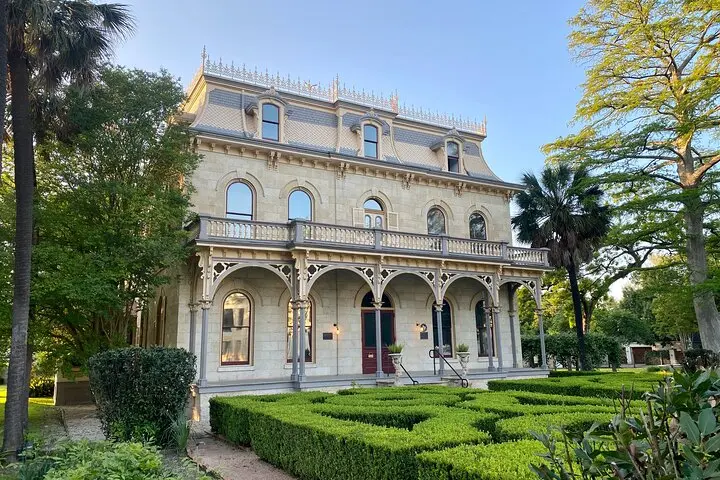
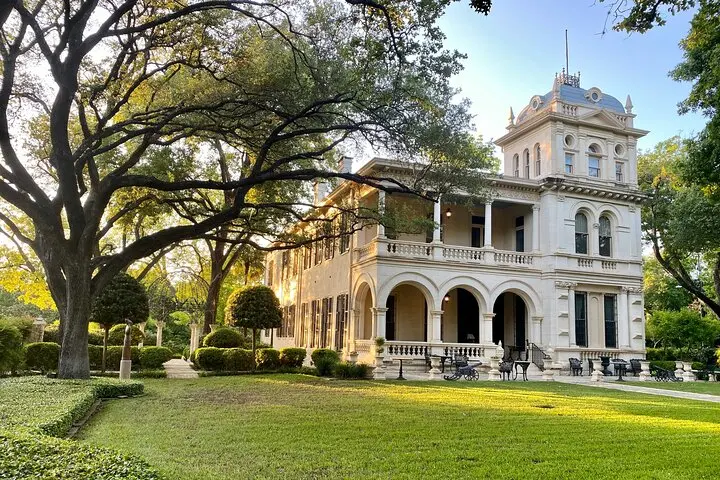
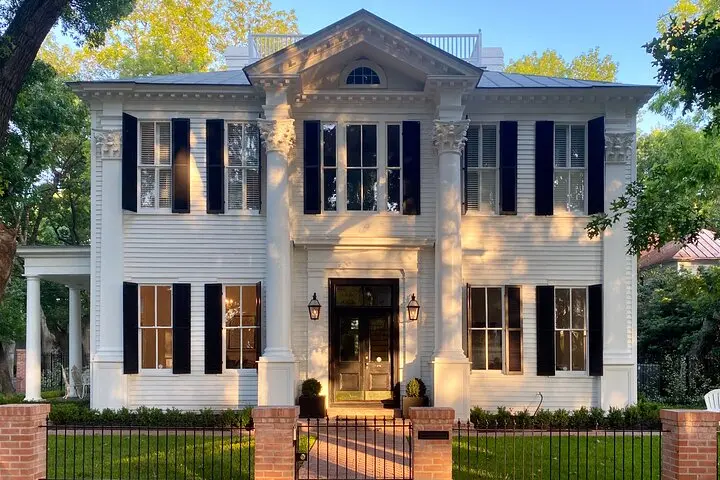
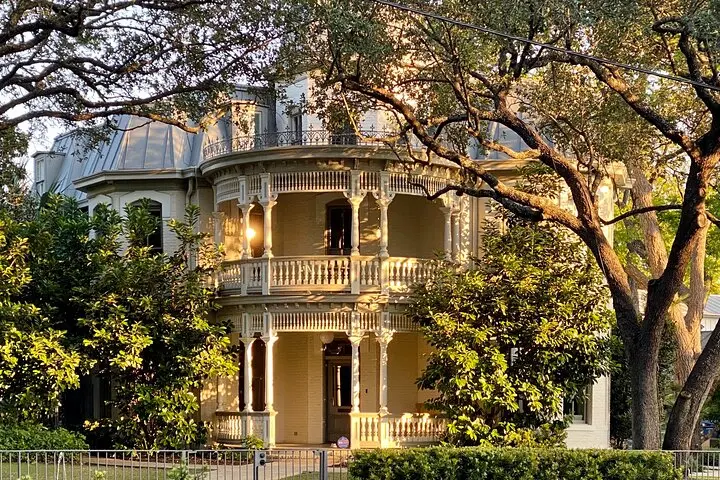
You step out under the gazebo in King William Park and the neighborhood opens like a page from San Antonio’s past: broad oaks shading brick sidewalks, ironwork gates that have seen generations, and facades that change from painted Victorian to restrained neoclassical as you walk.
You step out under the gazebo in King William Park and the neighborhood opens like a page from San Antonio’s past: broad oaks shading brick sidewalks, ironwork gates that have seen generations, and facades that change from painted Victorian to restrained neoclassical as you walk.
Once home to German immigrants and civic leaders of the 19th century, the King William District preserves a chapter of San Antonio’s growth when craftsmen and entrepreneurs reshaped the riverfront. The houses themselves are geology in miniature—brick, limestone and stucco fashioned from local materials—while the streets trace early urban patterns that resisted modern razing.
Culturally, the area reflects German-Texan influence: churches, social clubs, and family-run businesses left an imprint on foodways and festivals. Guides illuminate personal stories here—enterprising architects, civic debates, even an old cold case—so the tour reads as neighborhood biography rather than a checklist of sights.
Practical guidance: the route is a relaxed, two-hour walking loop starting and finishing at the gazebo (131 King William St.). Expect mostly flat sidewalks with some uneven paving near older homes; seating is limited, and public restrooms are scarce. Bring a refillable water bottle, sun protection for summer, and light layers in cooler months. Tours run at a moderate pace and can accommodate most mobility needs, but confirm specifics if you require wheelchair assistance.
Best times to visit are morning or late afternoon to avoid peak heat and to catch the façades in softer light. Listen for the guide’s local anecdotes, watch for private gardens visible from the street, and respect residents’ privacy as you explore one of San Antonio’s most intact historic neighborhoods.