THE ADVENTURE COLLECTIVE® · Independent discovery and booking for outdoor travel

Cross the border from Hazyview for a full-day cultural immersion in the Kingdom of Eswatini. Visit recycled-glass studios, a working cultural village with traditional dance, and national museum exhibits that trace royal and colonial history.
Cross the border from Hazyview for a full-day cultural immersion in the Kingdom of Eswatini. Visit recycled-glass studios, a working cultural village with traditional dance, and national museum exhibits that trace royal and colonial history.
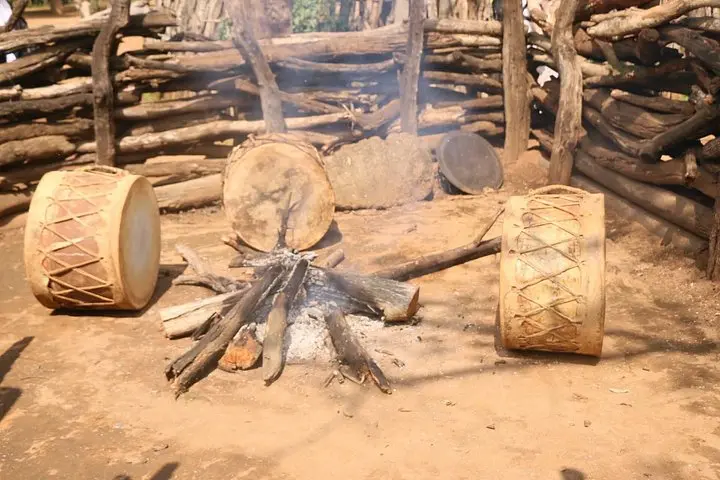
You step out of the air-conditioned van into a sunlit courtyard where glass cools and drums begin to call — the day opens with the bright, tactile work of recycled glass being shaped by hands that know the material like weathered rock.
Verified experiences and guided adventures in the surrounding area.
Operated by Eye Travel Africa · Hazyview, Mpumalanga
You step out of the air-conditioned van into a sunlit courtyard where glass cools and drums begin to call — the day opens with the bright, tactile work of recycled glass being shaped by hands that know the material like weathered rock.
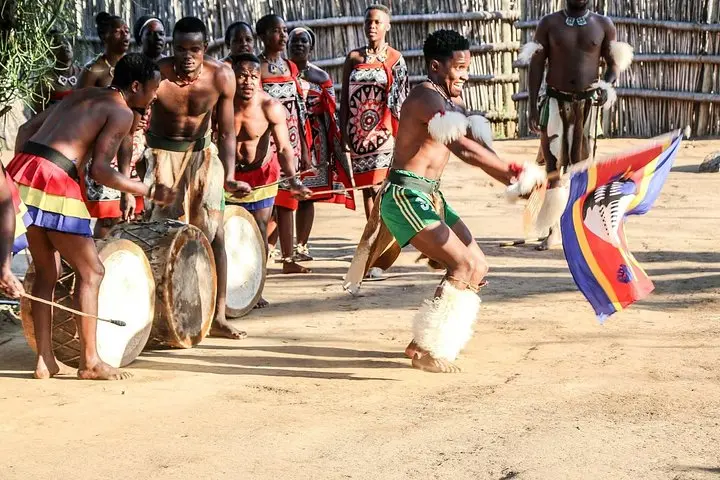
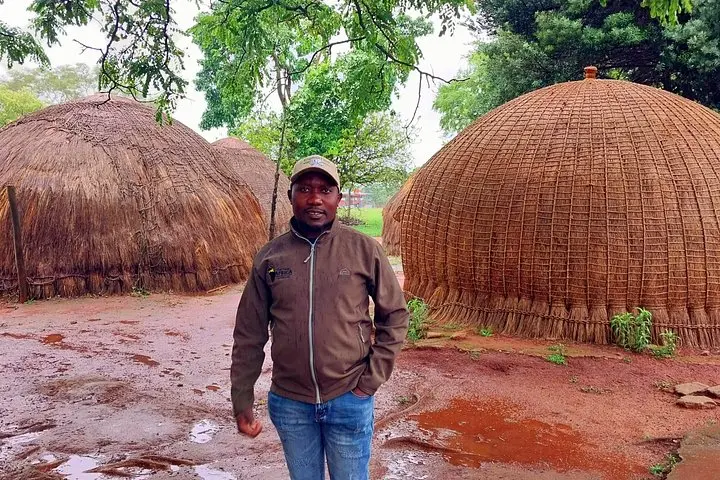
The route traverses the low, folded hills between Mpumalanga and Eswatini, a corridor where geology shifts from granite ridges to softer schists and the Olifants River system threads the valley below. Stops include a recycled-glass workshop, a living Swazi cultural village with guided walks and traditional songs and dances, the Kingdom of Eswatini National Museum, and King Sobhuza Memorial Park. The cultural village offers direct interpretation of pre-colonial lifeways and living traditions, while the museum contextualizes the monarchy, colonial contact, and recent political history.
Expect a day paced for immersion: studio demonstrations, a 90–180 minute guided village visit with performances, museum time, and a local lunch. Guides typically explain craft techniques, greeting customs, and the meaning behind ceremonial dress; local markets around the stops are good for ethically sourced handicrafts.
Practical guidance: this is a long, mostly easy day on paved roads and short walking loops; wear supportive shoes for uneven village paths, carry sunscreen and a refillable water bottle, and bring small local-currency notes for purchases. Border formalities can be brisk but require valid travel documents — check passport requirements and the tour's pickup point in Hazyview. Plan for a full 13-hour day from pickup to return; favors travelers who want a concentrated cultural cross-border experience without hiking or heavy exertion.
Pickup and return are arranged from a designated point in Hazyview; confirm your exact pickup location and time with the operator after booking.
The itinerary lists some admissions as included and others not; the tour description specifies lunch at a local restaurant is provided—confirm any optional costs before travel.
The tour notes wheelchair-accessible transportation and surfaces at some stops, but accessibility can vary at village sites; contact the operator to discuss specific needs.
Bring a valid passport; visa requirements depend on nationality. Check current entry rules before travel and ensure passports meet validity requirements.
Eye Travel Africa operates guided outdoor trips and adventures with an emphasis on safety, stewardship, and memorable experiences.
You step out of the air-conditioned van into a sunlit courtyard where glass cools and drums begin to call — the day opens with the bright, tactile work of recycled glass being shaped by hands that know the material like weathered rock.
You step out of the air-conditioned van into a sunlit courtyard where glass cools and drums begin to call — the day opens with the bright, tactile work of recycled glass being shaped by hands that know the material like weathered rock.
The route traverses the low, folded hills between Mpumalanga and Eswatini, a corridor where geology shifts from granite ridges to softer schists and the Olifants River system threads the valley below. Stops include a recycled-glass workshop, a living Swazi cultural village with guided walks and traditional songs and dances, the Kingdom of Eswatini National Museum, and King Sobhuza Memorial Park. The cultural village offers direct interpretation of pre-colonial lifeways and living traditions, while the museum contextualizes the monarchy, colonial contact, and recent political history.
Expect a day paced for immersion: studio demonstrations, a 90–180 minute guided village visit with performances, museum time, and a local lunch. Guides typically explain craft techniques, greeting customs, and the meaning behind ceremonial dress; local markets around the stops are good for ethically sourced handicrafts.
Practical guidance: this is a long, mostly easy day on paved roads and short walking loops; wear supportive shoes for uneven village paths, carry sunscreen and a refillable water bottle, and bring small local-currency notes for purchases. Border formalities can be brisk but require valid travel documents — check passport requirements and the tour's pickup point in Hazyview. Plan for a full 13-hour day from pickup to return; favors travelers who want a concentrated cultural cross-border experience without hiking or heavy exertion.