THE ADVENTURE COLLECTIVE® · Independent discovery and booking for outdoor travel

Join a 100-minute guided night walk in Monteverde to seek kinkajous, olingos, sloths, and frogs along misty cloud-forest trails. Small groups and certified guides help you observe nocturnal life with minimal impact.
Join a 100-minute guided night walk in Monteverde to seek kinkajous, olingos, sloths, and frogs along misty cloud-forest trails. Small groups and certified guides help you observe nocturnal life with minimal impact.
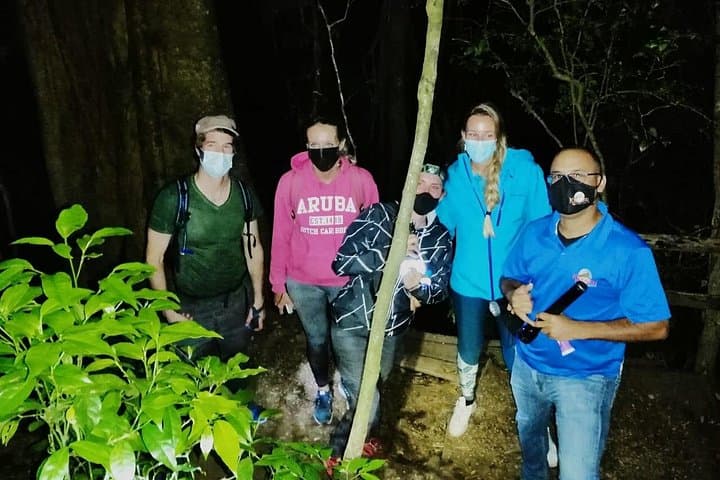
You step off the van as cloud forest night closes in and the trail sighs underfoot—damp leaf litter, roots that catch your boots, and a humid hush that makes sound carry farther. Torches pick out glossy leaves; a guide’s low voice splits the dark. On a 100-minute Kinkajou Night Walk you move deliberately, eyes adjusting, listening for the rustle that announces an olingo or the metallic tap of a kinkajou.
Verified experiences and guided adventures in the surrounding area.
Operated by Kinkajou Night Walk Tour · Monteverde, Puntarenas
You step off the van as cloud forest night closes in and the trail sighs underfoot—damp leaf litter, roots that catch your boots, and a humid hush that makes sound carry farther. Torches pick out glossy leaves; a guide’s low voice splits the dark. On a 100-minute Kinkajou Night Walk you move deliberately, eyes adjusting, listening for the rustle that announces an olingo or the metallic tap of a kinkajou.
Monteverde’s cloud forest sits at roughly 1,400–1,600 m elevation, where moist trade winds condense into persistent mist. The area’s conservation history began in the 1970s, when local settlers and scientists protected tracts of forest that became internationally important for biodiversity and ecotourism. Geology here is volcanic, with steep ridges and deep gullies carved by mountain streams; culturally, the region combines small-town Costa Rican life in nearby Santa Elena with a long-running commitment to sustainable tourism.
Expect narrow, uneven trails—mud after brief rains, exposed roots, and short steep sections. Guides are certified and usually carry a flashlight (often provided) and knowledge to find nocturnal mammals, frogs, and insects while minimizing disturbance. Group size is small (up to eight), and the tour includes transport and basic insurance.
Practical guidance: wear sturdy, closed-toe shoes with grip; bring a light waterproof layer; keep movements slow and voices low; follow your guide’s directions about photography and distance from wildlife. The walk is ideal for those with moderate fitness and curiosity for night behavior rather than high-speed hiking. With basic preparation you’ll come away with close encounters and a clearer sense of how the cloud forest lives after dark.
The tour runs approximately 100 minutes (about 1 hour 40 minutes) and typically includes transport from a nearby pickup point.
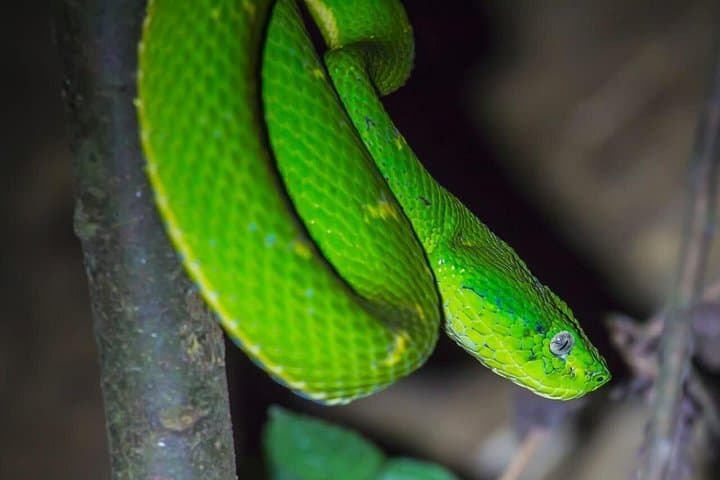
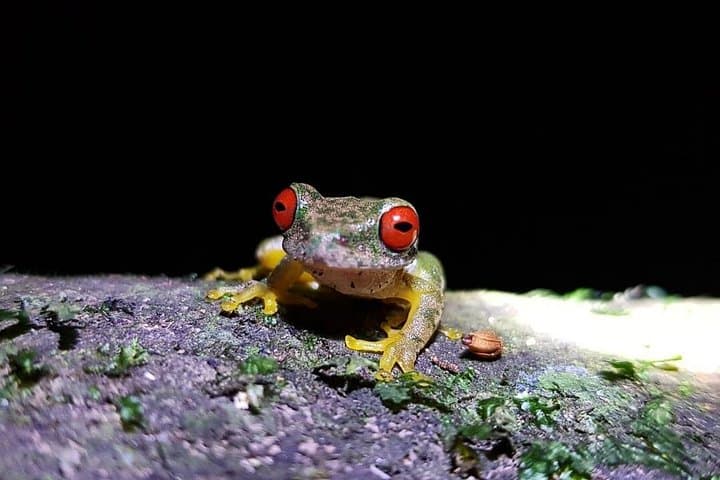
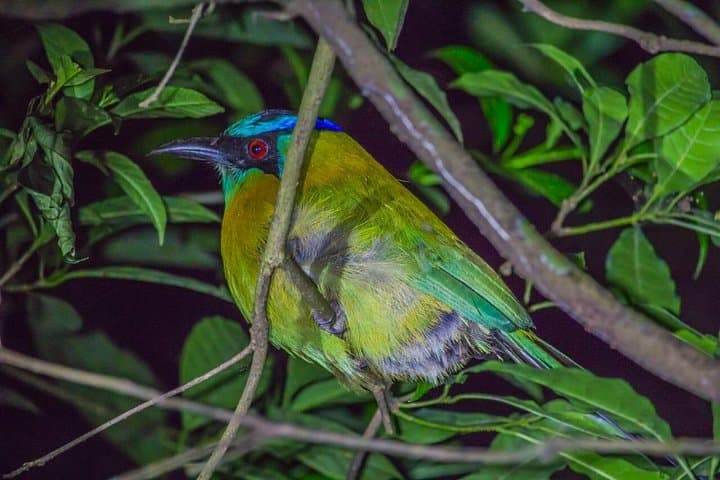
Wildlife sightings can’t be guaranteed, but certified local guides know where to look and increases the chance of seeing kinkajous, olingos, sloths, and nocturnal amphibians.
Children with reasonable patience can usually join, but the tour is not recommended for people with spinal injuries or severe mobility limitations due to uneven paths.
No—guides enforce no-flash photography and strictly prohibit touching wildlife to minimize disturbance and ensure safety for both visitors and animals.
Kinkajou Night Walk Tour operates guided outdoor trips and adventures with an emphasis on safety, stewardship, and memorable experiences.
You step off the van as cloud forest night closes in and the trail sighs underfoot—damp leaf litter, roots that catch your boots, and a humid hush that makes sound carry farther. Torches pick out glossy leaves; a guide’s low voice splits the dark. On a 100-minute Kinkajou Night Walk you move deliberately, eyes adjusting, listening for the rustle that announces an olingo or the metallic tap of a kinkajou.
You step off the van as cloud forest night closes in and the trail sighs underfoot—damp leaf litter, roots that catch your boots, and a humid hush that makes sound carry farther. Torches pick out glossy leaves; a guide’s low voice splits the dark. On a 100-minute Kinkajou Night Walk you move deliberately, eyes adjusting, listening for the rustle that announces an olingo or the metallic tap of a kinkajou.
Monteverde’s cloud forest sits at roughly 1,400–1,600 m elevation, where moist trade winds condense into persistent mist. The area’s conservation history began in the 1970s, when local settlers and scientists protected tracts of forest that became internationally important for biodiversity and ecotourism. Geology here is volcanic, with steep ridges and deep gullies carved by mountain streams; culturally, the region combines small-town Costa Rican life in nearby Santa Elena with a long-running commitment to sustainable tourism.
Expect narrow, uneven trails—mud after brief rains, exposed roots, and short steep sections. Guides are certified and usually carry a flashlight (often provided) and knowledge to find nocturnal mammals, frogs, and insects while minimizing disturbance. Group size is small (up to eight), and the tour includes transport and basic insurance.
Practical guidance: wear sturdy, closed-toe shoes with grip; bring a light waterproof layer; keep movements slow and voices low; follow your guide’s directions about photography and distance from wildlife. The walk is ideal for those with moderate fitness and curiosity for night behavior rather than high-speed hiking. With basic preparation you’ll come away with close encounters and a clearer sense of how the cloud forest lives after dark.