THE ADVENTURE COLLECTIVE® · Independent discovery and booking for outdoor travel

Stand before Kinkaku-ji’s glinting facade with a guide who unpacks its history, construction, and seasonal subtleties. Optional stop Ryoan-ji adds Zen rock-garden calm to a compact cultural walk.
Stand before Kinkaku-ji’s glinting facade with a guide who unpacks its history, construction, and seasonal subtleties. Optional stop Ryoan-ji adds Zen rock-garden calm to a compact cultural walk.
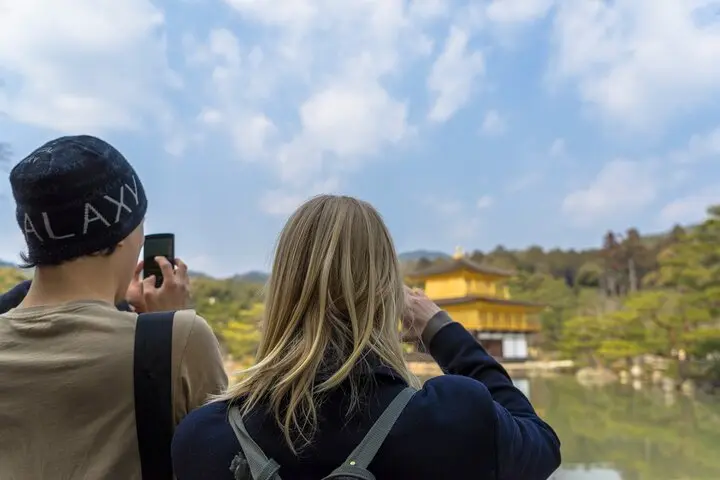
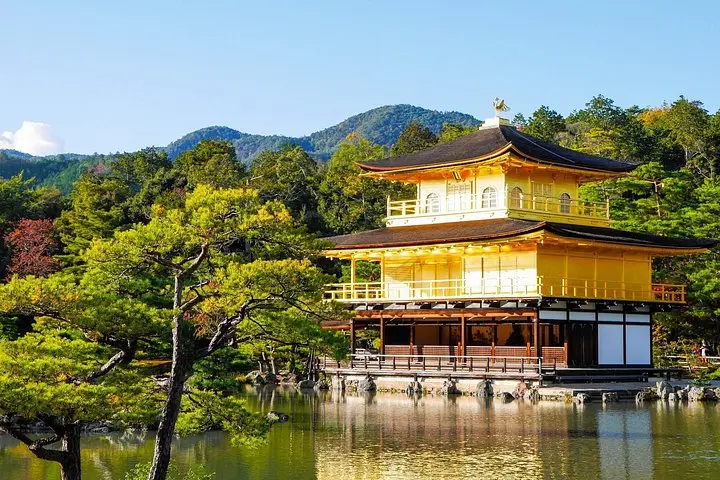
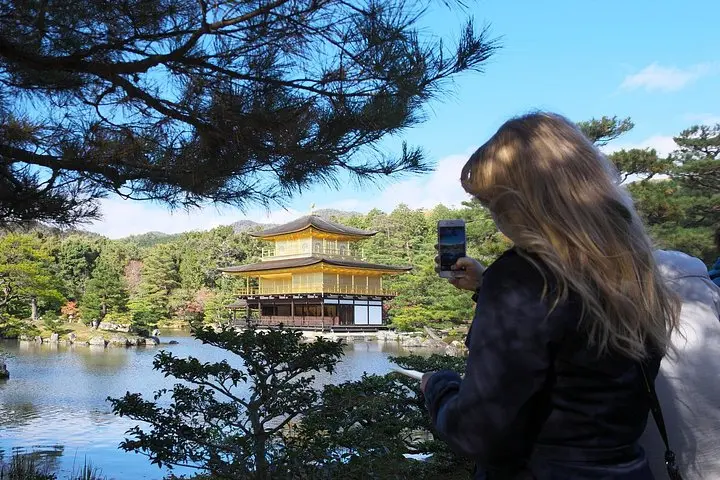
You arrive through a low gate and the air shifts: the pond ahead holds the temple like a polished coin, water daring you to approach and read every reflected angle. Visitors thread a carved gravel path while maples and pines frame the golden façade, and the guide’s voice stitches dates and rituals into the silence.
Verified experiences and guided adventures in the surrounding area.
Operated by gotcha · Kyoto, Kyoto Prefecture
You arrive through a low gate and the air shifts: the pond ahead holds the temple like a polished coin, water daring you to approach and read every reflected angle. Visitors thread a carved gravel path while maples and pines frame the golden façade, and the guide’s voice stitches dates and rituals into the silence.
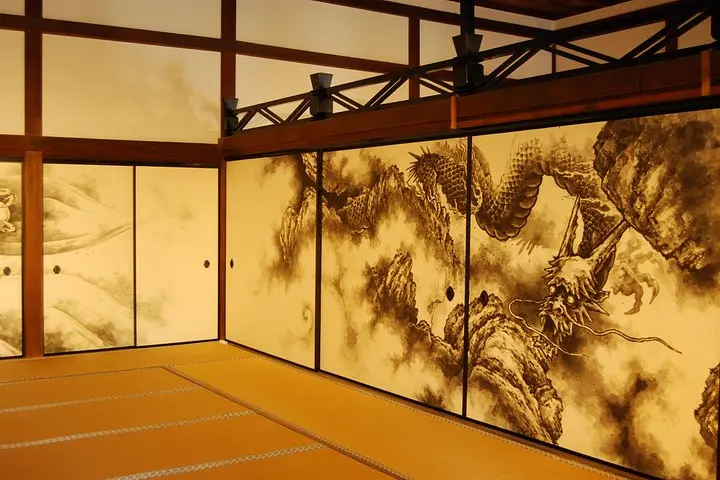
Kinkaku-ji, the Golden Pavilion, began as a 14th-century villa before conversion to a Zen temple. Its lacquered upper floors catch light differently through the seasons—gold leaf over timber set on an island pond that follows Kyoto’s layered geology of alluvial plains and volcanic ash soils. Nearby Ryoan-ji, optional on this tour, offers the austere karesansui rock garden that shaped Zen aesthetics and fascinated international visitors, including British royalty in the 1970s.
Culturally, expect measured reverence: modest photos, quiet steps, and time for the small tea house experiences that sit at the edge of daily temple life. Guides explain restoration efforts—post-war reconstruction, earthquake-resistant carpentry, and periodic re-gilding—so the shine you see is both craft and conservation.
Practical guidance: the tour is primarily walking on compacted paths and stone steps; wear grippy shoes and bring a light rain layer. Peak times are mid-morning and early afternoon—arrive early to avoid crowds. Carry cash for small shrine offerings and the temple shop. Stay hydrated: summer humidity can be intense and winter winds bite across the pond. Whether you come for architecture, history, or quiet views, this guided hour-and-change grounds you in Kyoto’s tangible past while leaving space to listen to the garden’s hush.
The tour runs about 2 to 4 hours depending on whether Ryoan-ji is included; the Kinkaku-ji segment itself is roughly 60–90 minutes.
Yes—entrance fees for Kinkaku-ji (and Ryoan-ji if selected) are included in the tour price.
Some paths are compacted or paved, but there are stone steps and uneven surfaces; contact the operator ahead to discuss mobility needs.
This offering includes an English-speaking guide; check booking notes for language-specific departures.
gotcha operates guided outdoor trips and adventures with an emphasis on safety, stewardship, and memorable experiences.
You arrive through a low gate and the air shifts: the pond ahead holds the temple like a polished coin, water daring you to approach and read every reflected angle. Visitors thread a carved gravel path while maples and pines frame the golden façade, and the guide’s voice stitches dates and rituals into the silence.
You arrive through a low gate and the air shifts: the pond ahead holds the temple like a polished coin, water daring you to approach and read every reflected angle. Visitors thread a carved gravel path while maples and pines frame the golden façade, and the guide’s voice stitches dates and rituals into the silence.
Kinkaku-ji, the Golden Pavilion, began as a 14th-century villa before conversion to a Zen temple. Its lacquered upper floors catch light differently through the seasons—gold leaf over timber set on an island pond that follows Kyoto’s layered geology of alluvial plains and volcanic ash soils. Nearby Ryoan-ji, optional on this tour, offers the austere karesansui rock garden that shaped Zen aesthetics and fascinated international visitors, including British royalty in the 1970s.
Culturally, expect measured reverence: modest photos, quiet steps, and time for the small tea house experiences that sit at the edge of daily temple life. Guides explain restoration efforts—post-war reconstruction, earthquake-resistant carpentry, and periodic re-gilding—so the shine you see is both craft and conservation.
Practical guidance: the tour is primarily walking on compacted paths and stone steps; wear grippy shoes and bring a light rain layer. Peak times are mid-morning and early afternoon—arrive early to avoid crowds. Carry cash for small shrine offerings and the temple shop. Stay hydrated: summer humidity can be intense and winter winds bite across the pond. Whether you come for architecture, history, or quiet views, this guided hour-and-change grounds you in Kyoto’s tangible past while leaving space to listen to the garden’s hush.