THE ADVENTURE COLLECTIVE® · Independent discovery and booking for outdoor travel

Escape the crowds around Cusco for a day and hike to the peaceful Kinsa Cocha lakes—high Andean lagoons ringed by grassy slopes and grazing alpacas. This full-day trip blends gentle hiking, dramatic mountain views, and an optional visit to Pisac’s Incan terraces.
Escape the crowds around Cusco for a day and hike to the peaceful Kinsa Cocha lakes—high Andean lagoons ringed by grassy slopes and grazing alpacas. This full-day trip blends gentle hiking, dramatic mountain views, and an optional visit to Pisac’s Incan terraces.
A cold wind pushes across the high pass as the van drops you onto a stony trail above the Sacred Valley. Bright blue lagoons sit like polished mirrors between ridgelines; nearby, slow-moving alpacas lift their heads and regard you with the unhurried patience of the high Andes. The trail threads through puna grassland, over a saddle that opens to broad valley views, and descends to the green rim of Kinsa Cocha.
Verified experiences and guided adventures in the surrounding area.
Operated by Huaynas Expeditions · Pisac, Cusco
A cold wind pushes across the high pass as the van drops you onto a stony trail above the Sacred Valley. Bright blue lagoons sit like polished mirrors between ridgelines; nearby, slow-moving alpacas lift their heads and regard you with the unhurried patience of the high Andes. The trail threads through puna grassland, over a saddle that opens to broad valley views, and descends to the green rim of Kinsa Cocha.
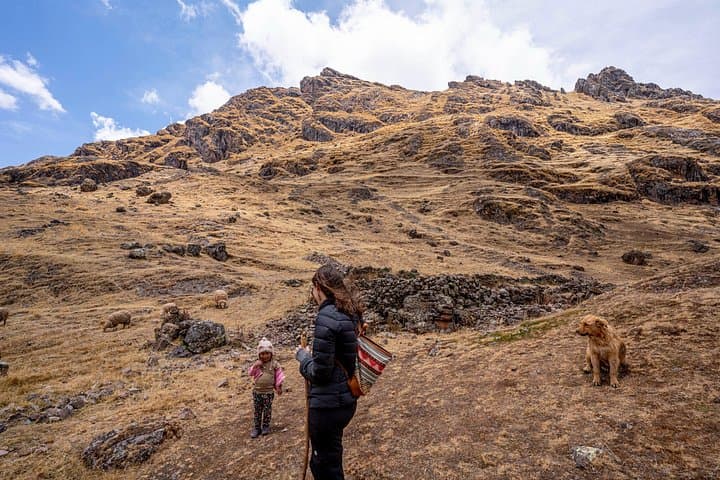
These lakes occupy glacially carved basins carved into Cretaceous and Tertiary volcanic strata; moraines and steep cirques speak to the ice that shaped the landscape. The route passes small Quechua farming plots and sheepherders’ corrals—living links to the Incan road network that crossed these heights. An optional visit to the Pisac ruins on the return adds an archaeological counterpoint: terraces, citadels, and agricultural engineering from the Inca era.
Practically, expect a full-day outing from Cusco with about 9 km of hiking and roughly 3–4 hours on trail at high altitude (typical elevations range near 3,700–4,200 m). Trails are mostly dirt and stone with short steeper pitches to the pass; footing can be loose in places. Guides provide a boxed lunch and transport, and they usually carry a first-aid kit with oxygen.
Plan for sun, wind, and rapid weather swings: layered clothing, sun protection, and steady hydration matter more than speed. Allow extra time to acclimatize in Cusco first; that quiet lunch beside Kinsa Cocha rewards slow, attentive hiking and the rare solitude of the high Andes.
The walking itself is moderate (about 9 km and 3–4 hours on trail), but altitude increases effort—acclimatization in Cusco is strongly recommended.
Alpacas and llamas commonly graze near the lakes, but sightings depend on season and local herding—expect frequent encounters rather than guarantees.
A boxed lunch is included; restroom options are limited to basic facilities in towns or none on trail, so plan accordingly.
Yes—there is usually an optional stop at Pisac archaeological site on the return for an added cultural visit (timing permitting).
Huaynas Expeditions operates guided outdoor trips and adventures with an emphasis on safety, stewardship, and memorable experiences.
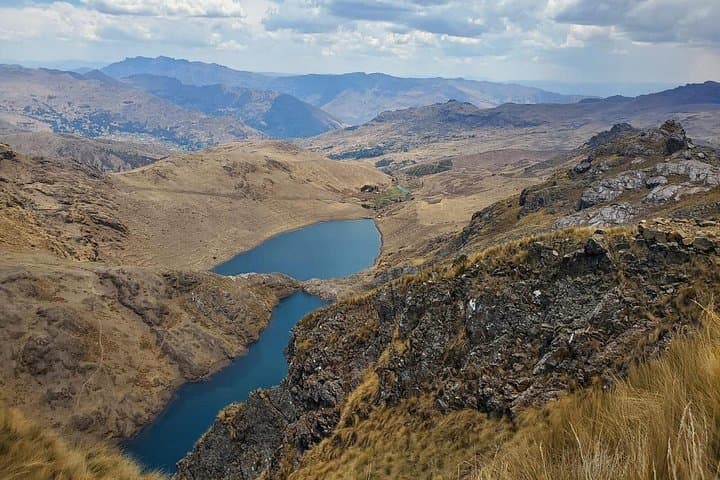
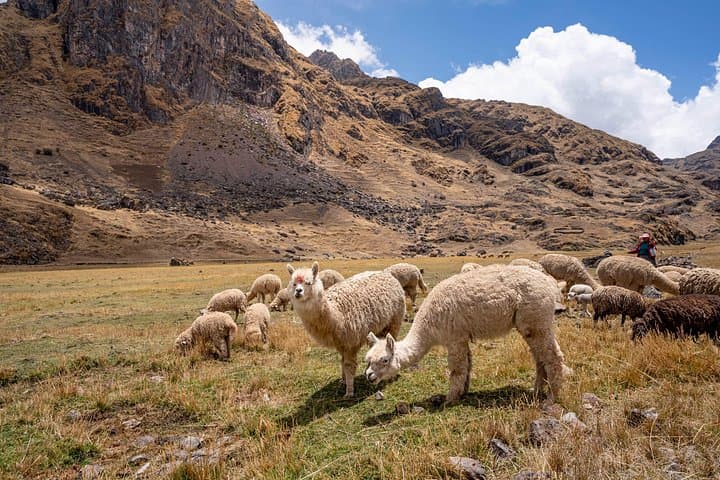
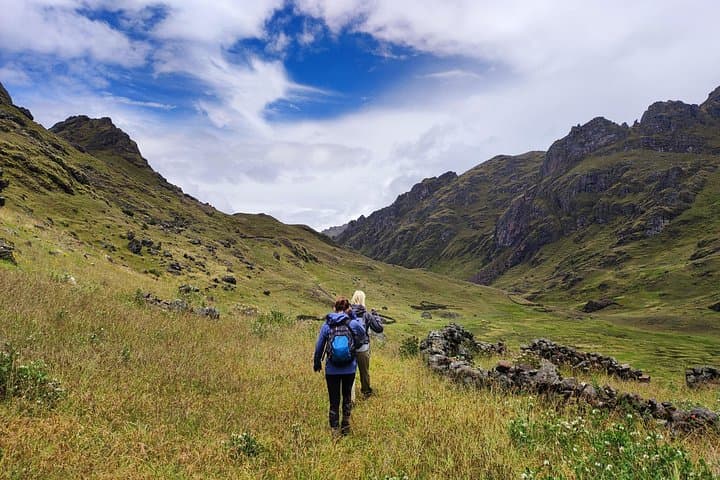
A cold wind pushes across the high pass as the van drops you onto a stony trail above the Sacred Valley. Bright blue lagoons sit like polished mirrors between ridgelines; nearby, slow-moving alpacas lift their heads and regard you with the unhurried patience of the high Andes. The trail threads through puna grassland, over a saddle that opens to broad valley views, and descends to the green rim of Kinsa Cocha.
A cold wind pushes across the high pass as the van drops you onto a stony trail above the Sacred Valley. Bright blue lagoons sit like polished mirrors between ridgelines; nearby, slow-moving alpacas lift their heads and regard you with the unhurried patience of the high Andes. The trail threads through puna grassland, over a saddle that opens to broad valley views, and descends to the green rim of Kinsa Cocha.
These lakes occupy glacially carved basins carved into Cretaceous and Tertiary volcanic strata; moraines and steep cirques speak to the ice that shaped the landscape. The route passes small Quechua farming plots and sheepherders’ corrals—living links to the Incan road network that crossed these heights. An optional visit to the Pisac ruins on the return adds an archaeological counterpoint: terraces, citadels, and agricultural engineering from the Inca era.
Practically, expect a full-day outing from Cusco with about 9 km of hiking and roughly 3–4 hours on trail at high altitude (typical elevations range near 3,700–4,200 m). Trails are mostly dirt and stone with short steeper pitches to the pass; footing can be loose in places. Guides provide a boxed lunch and transport, and they usually carry a first-aid kit with oxygen.
Plan for sun, wind, and rapid weather swings: layered clothing, sun protection, and steady hydration matter more than speed. Allow extra time to acclimatize in Cusco first; that quiet lunch beside Kinsa Cocha rewards slow, attentive hiking and the rare solitude of the high Andes.