
Kinshu Lake Private Snow Trekking: Kanjiki Snowshoe Walk on Kinshuko (Iwate)
Walk Kinshuko’s exposed winter shore on traditional kanjiki snowshoes. This private 2.5-hour trek explores former rail grades and winter-budded trees on an artificial lake that reveals secret shoreline scenery in January–March.
An Adventure In Morioka.
Walk Kinshuko’s exposed winter shore on traditional kanjiki snowshoes. This private 2.5-hour trek explores former rail grades and winter-budded trees on an artificial lake that reveals secret shoreline scenery in January–March.
Read the full experience
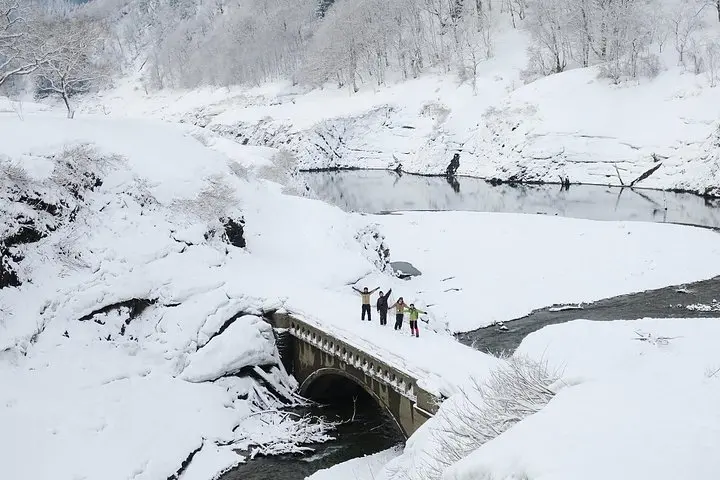
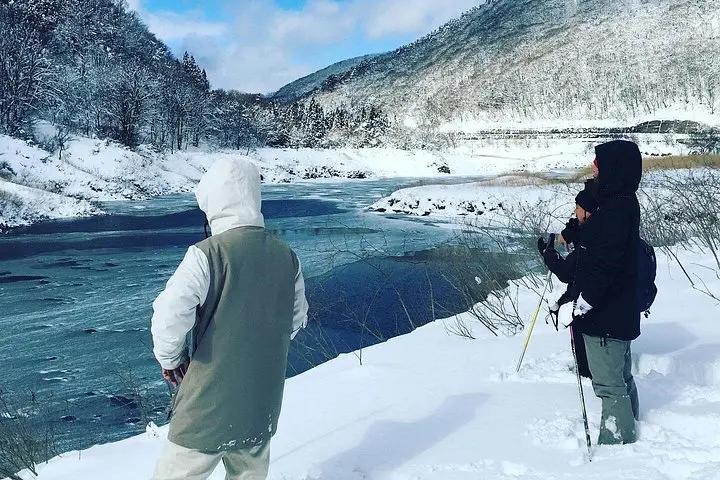
A hush settles over Kinshuko in midwinter. The surface of the artificial lake shrinks with the dry season and a pale plain of packed snow stretches along the shore; you step out in traditional wooden-frame kanjiki and the snow takes your weight like a waiting floor.
A hush settles over Kinshuko in midwinter. The surface of the artificial lake shrinks with the dry season and a pale plain of packed snow stretches along the shore; you step out in traditional wooden-frame kanjiki and the snow takes your weight like a waiting floor.
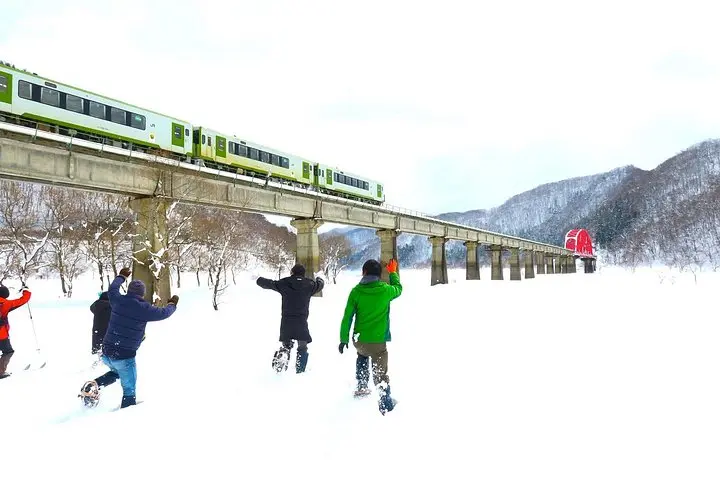
Created roughly sixty years ago, Kinshuko reflects practical postwar engineering more than ancient legend. Geologically the basin collects runoff from low ridges around it, and in winter the lowered water exposes shores that reveal old railroad grades and the iron bridge where trains still rattle by—snapshots of local industry and changing transport corridors.
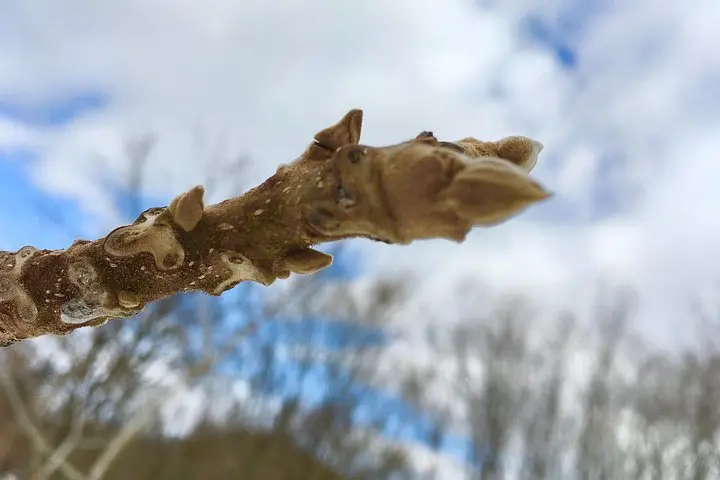
Culturally this is a low-key corner of Iwate: farmers’ fields, small stations, and woodland that pushes close to the waterline. In January–March you can spot winter buds along the trail and crisp animal tracks cutting across the snow; the landscape feels observant, as if the trees are watching you pass.
Practical guidance: this private activity runs about 2.5 hours and is rated easy—no prior snowshoeing required. Guides supply kanjiki and hot tea; dress in insulated boots and breathable layers, bring a small daypack with water and a camera, and allow time for cold hands and slow, deliberate steps. Respect wildlife by keeping distance, follow your guide on former track beds and shorelines, and book in advance—private slots are limited in peak winter. The experience is simple, quiet, and distinctively local: walking where summer paths close and winter opens a rarely seen shoreline.
Frequently asked questions
The activity runs in the dry winter season—typically January through March—when the lake level recedes and shore snow allows walking.
No; the trek is rated easy and guides provide instruction on using kanjiki snowshoes for safe walking.
Policies vary by operator but the activity is family-friendly if children can walk on snow; check age limits and book a private slot to accommodate families.
Public transport is available nearby, but most participants arrange their own transit to the meeting point; confirm pickup details when booking.
About This Experience
ネビラキ operates guided outdoor trips and adventures with an emphasis on safety, stewardship, and memorable experiences.
Adventure tips
Recommended gear
- Insulated waterproof boots: Keeps feet warm and dry while walking on snow-covered shores.
- Kanjiki (traditional snowshoes): Enables flotation on deep shore snow and is central to the experience (often provided by operator).
- Warm gloves and hat: Protects extremities from cold during slow walking and photo stops.
- Small daypack with water and snacks: Holds layers, drink, and camera while keeping hands free for balance.
Photos of the experience
Related adventures & guides
Read the full experience
A hush settles over Kinshuko in midwinter. The surface of the artificial lake shrinks with the dry season and a pale plain of packed snow stretches along the shore; you step out in traditional wooden-frame kanjiki and the snow takes your weight like a waiting floor.
A hush settles over Kinshuko in midwinter. The surface of the artificial lake shrinks with the dry season and a pale plain of packed snow stretches along the shore; you step out in traditional wooden-frame kanjiki and the snow takes your weight like a waiting floor.
Created roughly sixty years ago, Kinshuko reflects practical postwar engineering more than ancient legend. Geologically the basin collects runoff from low ridges around it, and in winter the lowered water exposes shores that reveal old railroad grades and the iron bridge where trains still rattle by—snapshots of local industry and changing transport corridors.
Culturally this is a low-key corner of Iwate: farmers’ fields, small stations, and woodland that pushes close to the waterline. In January–March you can spot winter buds along the trail and crisp animal tracks cutting across the snow; the landscape feels observant, as if the trees are watching you pass.
Practical guidance: this private activity runs about 2.5 hours and is rated easy—no prior snowshoeing required. Guides supply kanjiki and hot tea; dress in insulated boots and breathable layers, bring a small daypack with water and a camera, and allow time for cold hands and slow, deliberate steps. Respect wildlife by keeping distance, follow your guide on former track beds and shorelines, and book in advance—private slots are limited in peak winter. The experience is simple, quiet, and distinctively local: walking where summer paths close and winter opens a rarely seen shoreline.
Make a day of it nearby.
Verified experiences and guided adventures in the surrounding area.