THE ADVENTURE COLLECTIVE® · Independent discovery and booking for outdoor travel

Ride from the Kintamani rim down through rice fields, traditional villages and volcanic views on a private downhill cycling tour from Ubud. Expect 25–30 km of mostly downhill roads, cultural stops and a volcano-view lunch.
Ride from the Kintamani rim down through rice fields, traditional villages and volcanic views on a private downhill cycling tour from Ubud. Expect 25–30 km of mostly downhill roads, cultural stops and a volcano-view lunch.
Dawn breaks over the Kintamani rim and the air tastes of strong coffee and volcanic stone. Guides collect you in an air-conditioned car, climb to Penelokan for a quick coffee overlooking Mt. Batur’s caldera, then set you at Abuan Village where a line of well-tuned bikes waits beneath mandarin orchards.
Verified experiences and guided adventures in the surrounding area.
Operated by Ubud Bali Bicycle Tours · Kintamani, Bali
Dawn breaks over the Kintamani rim and the air tastes of strong coffee and volcanic stone. Guides collect you in an air-conditioned car, climb to Penelokan for a quick coffee overlooking Mt. Batur’s caldera, then set you at Abuan Village where a line of well-tuned bikes waits beneath mandarin orchards.
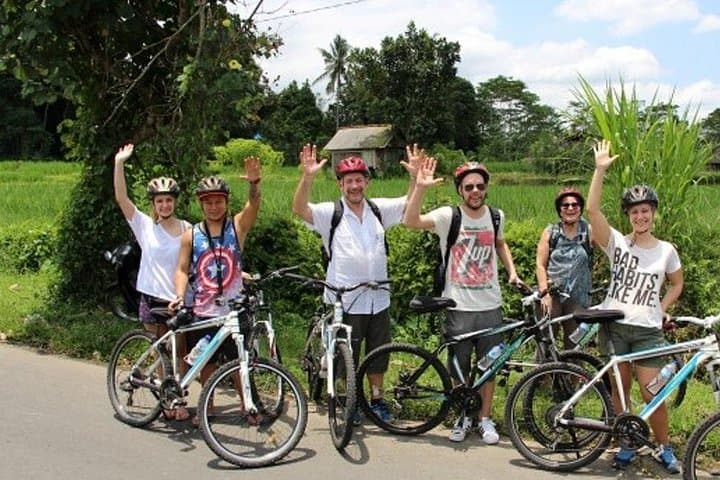
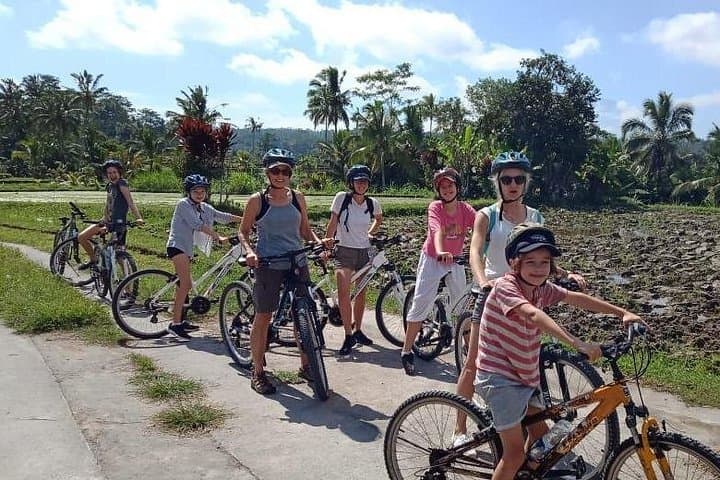
The route slides downhill for roughly 25–30 km, shedding 600–1,000 meters in elevation as asphalt gives way to narrow village lanes, short dirt tracks and lanes between Subak rice terraces. You’ll pass centuries-old Balinese houses and stop at temples like the small Gunung Raung site while guides explain Hindu-influenced architecture and the cooperative Subak irrigation system that shapes local life.
Geology is constant company here: volcanic ridges, black lava soils and the crater lake of Batur outline the horizon while rivers cut through rice paddies. Cultural notes arrive between pedals—stone carving and wood-working households, home industry demonstrations, and a lunch with a view.
Practically: expect 3–4 hours of cycling spread across a 6–7 hour tour with hotel transfers included. Terrain is mostly downhill but includes short climbs and an optional adventurous forest leg through Taro Village. Bikes, helmets and snacks are provided; basic bike-handling skills are enough, but riders should be comfortable braking on steep descents and riding single-file on village roads.
Bring sun protection, closed-toe shoes and a small camera bag. Start early to avoid midday heat and heavy traffic; in the wet season, road grip can be variable—your guide will adjust the route.
This ride oases between natural spectacle and village life: active, readable and well suited to riders who want exposure to Bali beyond the postcard.
No—basic cycling ability is sufficient; guides tailor pace and route, but you should be comfortable with braking and riding single-file on narrow roads.
Yes—private hotel pick-up and drop-off in Ubud and Tegallalang area are included in the tour price.
Tours run year-round; during the December–February wet season roads can be slippery and guides may adjust the route or provide wet-weather gear.
Yes—minimum age is typically 8 years; kids should be competent on a bicycle and accompanied by a parent or guardian.
Ubud Bali Bicycle Tours operates guided outdoor trips and adventures with an emphasis on safety, stewardship, and memorable experiences.


Dawn breaks over the Kintamani rim and the air tastes of strong coffee and volcanic stone. Guides collect you in an air-conditioned car, climb to Penelokan for a quick coffee overlooking Mt. Batur’s caldera, then set you at Abuan Village where a line of well-tuned bikes waits beneath mandarin orchards.
Dawn breaks over the Kintamani rim and the air tastes of strong coffee and volcanic stone. Guides collect you in an air-conditioned car, climb to Penelokan for a quick coffee overlooking Mt. Batur’s caldera, then set you at Abuan Village where a line of well-tuned bikes waits beneath mandarin orchards.
The route slides downhill for roughly 25–30 km, shedding 600–1,000 meters in elevation as asphalt gives way to narrow village lanes, short dirt tracks and lanes between Subak rice terraces. You’ll pass centuries-old Balinese houses and stop at temples like the small Gunung Raung site while guides explain Hindu-influenced architecture and the cooperative Subak irrigation system that shapes local life.
Geology is constant company here: volcanic ridges, black lava soils and the crater lake of Batur outline the horizon while rivers cut through rice paddies. Cultural notes arrive between pedals—stone carving and wood-working households, home industry demonstrations, and a lunch with a view.
Practically: expect 3–4 hours of cycling spread across a 6–7 hour tour with hotel transfers included. Terrain is mostly downhill but includes short climbs and an optional adventurous forest leg through Taro Village. Bikes, helmets and snacks are provided; basic bike-handling skills are enough, but riders should be comfortable braking on steep descents and riding single-file on village roads.
Bring sun protection, closed-toe shoes and a small camera bag. Start early to avoid midday heat and heavy traffic; in the wet season, road grip can be variable—your guide will adjust the route.
This ride oases between natural spectacle and village life: active, readable and well suited to riders who want exposure to Bali beyond the postcard.