THE ADVENTURE COLLECTIVE® · Independent discovery and booking for outdoor travel

Descend roughly 35 km from Kintamani’s volcanic rim down to Ubud on a guided downhill cycling route. Expect crater views, rice fields, village temples, and a village lunch in Ubud — a practical, scenic half-day ride.
Descend roughly 35 km from Kintamani’s volcanic rim down to Ubud on a guided downhill cycling route. Expect crater views, rice fields, village temples, and a village lunch in Ubud — a practical, scenic half-day ride.
The ride begins above a rim of black rock and morning mist, with a crater lake glinting below and a volcanic cone standing like a low-angled landmark. From Kintamani cyclists push off and let gravity do most of the work: about 35 km of largely downhill road that threads past rice terraces, small temples, and village lanes until the green calm of Ubud.
Verified experiences and guided adventures in the surrounding area.
Operated by Bali Memorable Tours · Kintamani, Bali
The ride begins above a rim of black rock and morning mist, with a crater lake glinting below and a volcanic cone standing like a low-angled landmark. From Kintamani cyclists push off and let gravity do most of the work: about 35 km of largely downhill road that threads past rice terraces, small temples, and village lanes until the green calm of Ubud.
Geology and history are visible on every turn. Mount Batur and its caldera are active reminders of Bali’s volcanic origins; the lake at the caldera floor collects rain and memory alike. Settled Balinese villages and roadside shrines reflect centuries of rice-culture and Hindu practice — stop to see simple temples and the irrigation lines that underpin subak farming.
Expect a mix of paved roads and quieter rural lanes with occasional rough patches and traffic near towns. The route is primarily descending but requires steady bike-handling on switchbacks and through market towns. Weather shifts from crisp highland air to warmer lowland humidity; rain is common during the wet season and can slick surfaces.
Practical notes: bring layered clothing, a robust helmet, and a compact rain shell. Hydrate before the descent and use a low gear where the grade flattens. Local guides often include breakfast, bottled water, and a village lunch in Ubud — useful for keeping energy up and supporting local vendors. Respect temple protocols (cover shoulders), yield to scooters, and keep speeds controlled through villages. This is a sensory route — wind urging you forward, rice fields bowing in the breeze — and a practical, accessible way to see Bali’s volcanic heart.
The route is roughly 35 km and largely downhill; it’s moderate in exertion — mostly controlled braking and handling rather than sustained climbing.
Basic road-cycling experience and confidence on descents are recommended; guides accommodate beginners but you must be able to brake and steer safely.
Most operators include morning pickup from central hotels and air-conditioned transfer to the Kintamani start; check your booking for exact pickup locations.
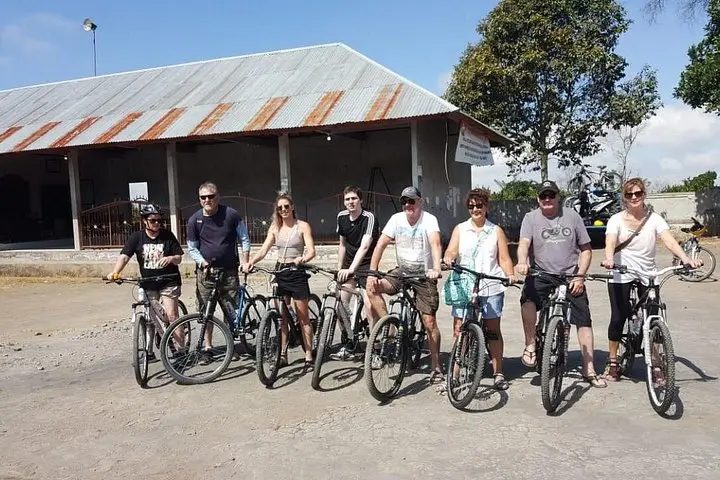
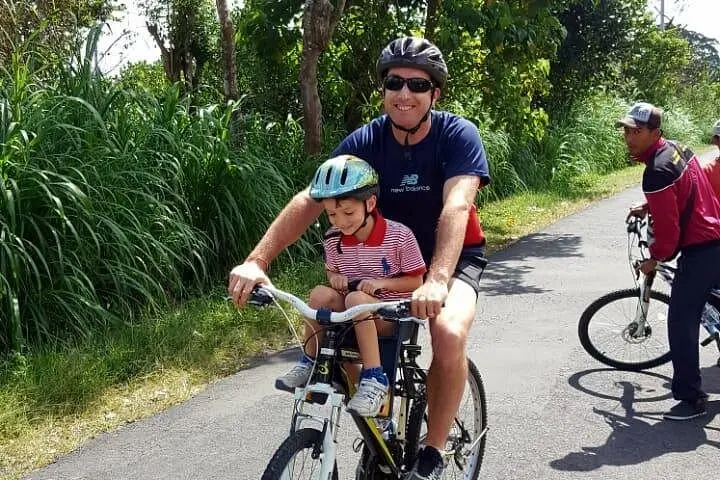
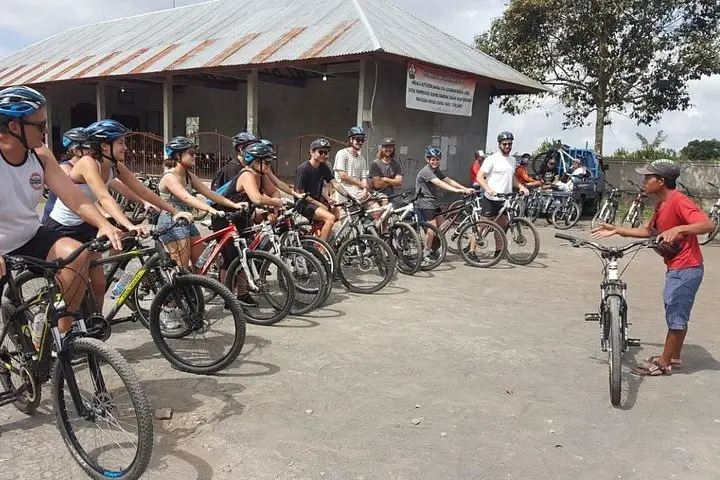
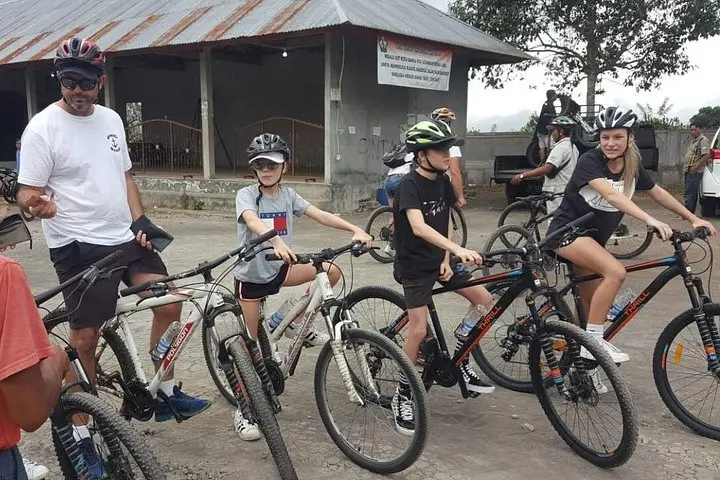
Guided tours supply well-maintained road or hybrid bikes with helmets; e-bikes are not typically offered for this descent.
Bali Memorable Tours operates guided outdoor trips and adventures with an emphasis on safety, stewardship, and memorable experiences.
The ride begins above a rim of black rock and morning mist, with a crater lake glinting below and a volcanic cone standing like a low-angled landmark. From Kintamani cyclists push off and let gravity do most of the work: about 35 km of largely downhill road that threads past rice terraces, small temples, and village lanes until the green calm of Ubud.
The ride begins above a rim of black rock and morning mist, with a crater lake glinting below and a volcanic cone standing like a low-angled landmark. From Kintamani cyclists push off and let gravity do most of the work: about 35 km of largely downhill road that threads past rice terraces, small temples, and village lanes until the green calm of Ubud.
Geology and history are visible on every turn. Mount Batur and its caldera are active reminders of Bali’s volcanic origins; the lake at the caldera floor collects rain and memory alike. Settled Balinese villages and roadside shrines reflect centuries of rice-culture and Hindu practice — stop to see simple temples and the irrigation lines that underpin subak farming.
Expect a mix of paved roads and quieter rural lanes with occasional rough patches and traffic near towns. The route is primarily descending but requires steady bike-handling on switchbacks and through market towns. Weather shifts from crisp highland air to warmer lowland humidity; rain is common during the wet season and can slick surfaces.
Practical notes: bring layered clothing, a robust helmet, and a compact rain shell. Hydrate before the descent and use a low gear where the grade flattens. Local guides often include breakfast, bottled water, and a village lunch in Ubud — useful for keeping energy up and supporting local vendors. Respect temple protocols (cover shoulders), yield to scooters, and keep speeds controlled through villages. This is a sensory route — wind urging you forward, rice fields bowing in the breeze — and a practical, accessible way to see Bali’s volcanic heart.