THE ADVENTURE COLLECTIVE® · Independent discovery and booking for outdoor travel

Drop from volcanic heights into the heart of Ubud on a guided downhill cycling route that threads rice terraces, coffee stalls and village temples. Learn what to expect—distance, elevation change, terrain and how to prepare for the ride.
Drop from volcanic heights into the heart of Ubud on a guided downhill cycling route that threads rice terraces, coffee stalls and village temples. Learn what to expect—distance, elevation change, terrain and how to prepare for the ride.
The ride begins where the air thins and Mount Batur watches—Bayung Kintamani’s high ridge opens to a panorama of volcano and crater lake, and the road drops away beneath your tires. Pedaling briefly to check brakes, then letting gravity take over, you’ll thread through steaming coffee stalls, terraced rice paddies, and small Balinese villages as the landscape slides from volcanic plateau to lowland greenery.
Verified experiences and guided adventures in the surrounding area.
Operated by Bali Tourist Information · Ubud, Bali
The ride begins where the air thins and Mount Batur watches—Bayung Kintamani’s high ridge opens to a panorama of volcano and crater lake, and the road drops away beneath your tires. Pedaling briefly to check brakes, then letting gravity take over, you’ll thread through steaming coffee stalls, terraced rice paddies, and small Balinese villages as the landscape slides from volcanic plateau to lowland greenery.
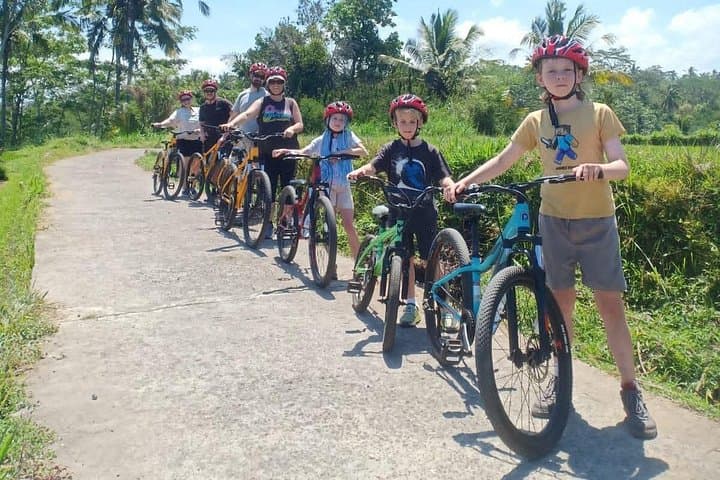
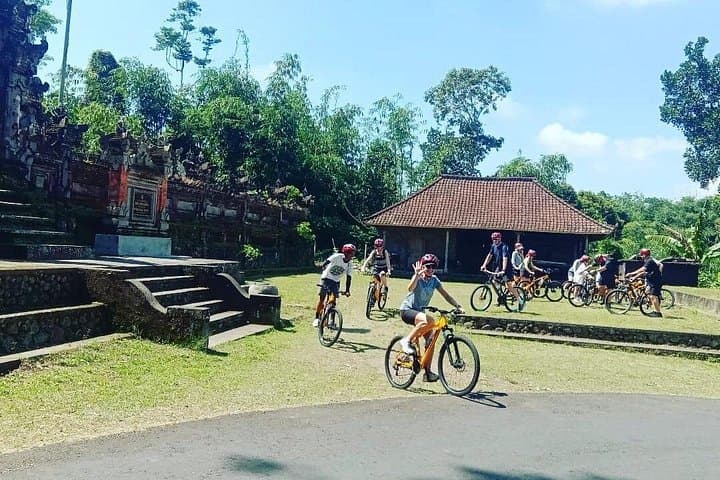
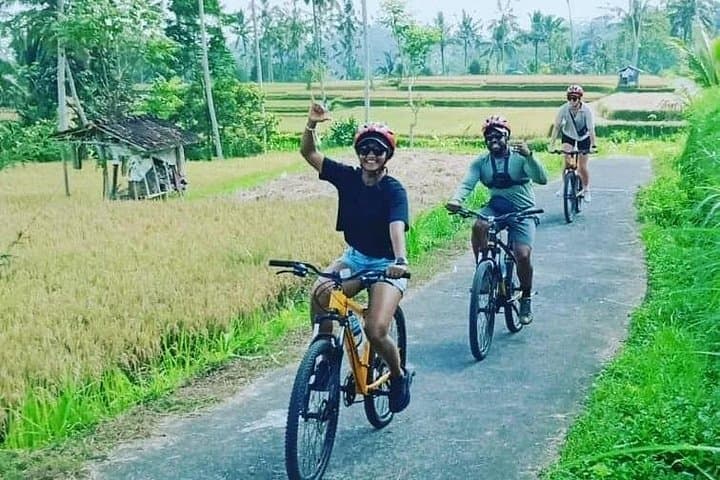
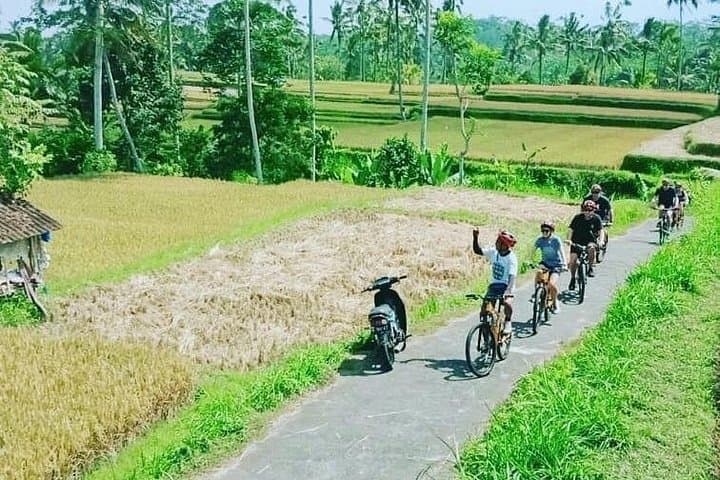
This corridor between Kintamani and Ubud is shaped by volcanic geology: cooled lava and ash from Batur and nearby flows created fertile soils that fed the island’s subak irrigation system. The terraced rice fields you roll past are the result of centuries of cooperative water management and are often accompanied by small temples and village shrines—visible cues of Bali’s living cultural landscape.
Expect roughly 25–35 km of mostly downhill riding with an elevation loss on the order of 1,000–1,300 m depending on route, passing through Tampaksiring and local schools and warungs. The route is a mix of paved rural roads and occasional rough patches; ricefield drainage channels and roadside streams will hum beside you, sometimes daring you to look away.
Practically: start early for cooler air and clearer views, wear layered clothing for the altitude change, and confirm helmet fit and brake condition at the briefing. Guides typically provide bikes, helmets, bottled water, and a mid-ride lunch, and offer cultural stops at temples and coffee tasting. This is an accessible, scenic way to experience Bali’s highlands and rice-country life without technical climbing—just solid bike handling and readiness for quick weather shifts.
The tour is designed for a wide range of fitness levels—most of the route is gravity-assisted downhill, but you should be comfortable balancing, braking, and handling occasional short climbs or shuttled sections.
Guided tours usually include round-trip transport from Ubud hotels, a mountain bike, helmet, bottled water and a simple lunch; confirm specifics when booking.
Tours typically run in light rain but guides may modify the route or cancel for heavy rain or unsafe road conditions; bring a rain jacket and expect slower, more cautious riding when wet.
Most operators recommend against participation for pregnant travelers, those with serious heart or spinal conditions, and sometimes set minimum age limits; check the booking terms for exact restrictions.
Bali Tourist Information operates guided outdoor trips and adventures with an emphasis on safety, stewardship, and memorable experiences.
The ride begins where the air thins and Mount Batur watches—Bayung Kintamani’s high ridge opens to a panorama of volcano and crater lake, and the road drops away beneath your tires. Pedaling briefly to check brakes, then letting gravity take over, you’ll thread through steaming coffee stalls, terraced rice paddies, and small Balinese villages as the landscape slides from volcanic plateau to lowland greenery.
The ride begins where the air thins and Mount Batur watches—Bayung Kintamani’s high ridge opens to a panorama of volcano and crater lake, and the road drops away beneath your tires. Pedaling briefly to check brakes, then letting gravity take over, you’ll thread through steaming coffee stalls, terraced rice paddies, and small Balinese villages as the landscape slides from volcanic plateau to lowland greenery.
This corridor between Kintamani and Ubud is shaped by volcanic geology: cooled lava and ash from Batur and nearby flows created fertile soils that fed the island’s subak irrigation system. The terraced rice fields you roll past are the result of centuries of cooperative water management and are often accompanied by small temples and village shrines—visible cues of Bali’s living cultural landscape.
Expect roughly 25–35 km of mostly downhill riding with an elevation loss on the order of 1,000–1,300 m depending on route, passing through Tampaksiring and local schools and warungs. The route is a mix of paved rural roads and occasional rough patches; ricefield drainage channels and roadside streams will hum beside you, sometimes daring you to look away.
Practically: start early for cooler air and clearer views, wear layered clothing for the altitude change, and confirm helmet fit and brake condition at the briefing. Guides typically provide bikes, helmets, bottled water, and a mid-ride lunch, and offer cultural stops at temples and coffee tasting. This is an accessible, scenic way to experience Bali’s highlands and rice-country life without technical climbing—just solid bike handling and readiness for quick weather shifts.