THE ADVENTURE COLLECTIVE® · Independent discovery and booking for outdoor travel

Drive to the Kintamani rim for sweeping views of Lake Batur and Mount Batur, then climb the stepped courtyards of Besakih—the largest Hindu temple complex on Bali. This full-day private tour blends volcanic panoramas with living religious tradition.
Drive to the Kintamani rim for sweeping views of Lake Batur and Mount Batur, then climb the stepped courtyards of Besakih—the largest Hindu temple complex on Bali. This full-day private tour blends volcanic panoramas with living religious tradition.
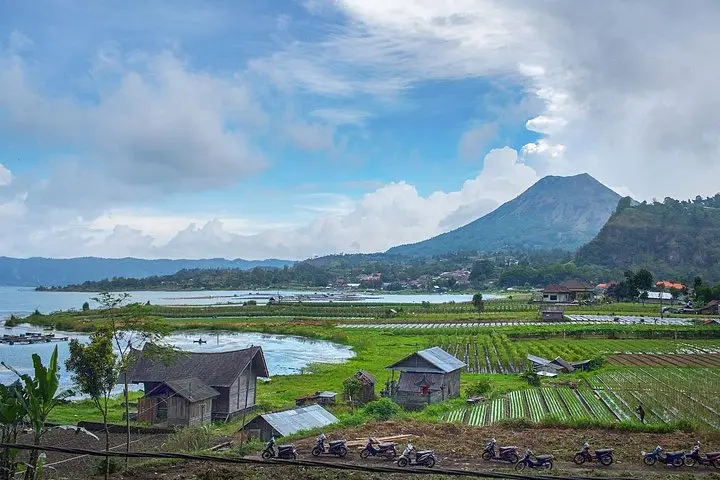
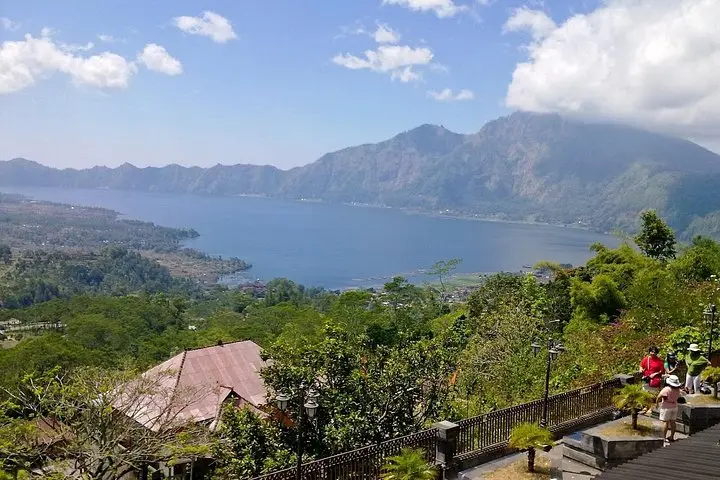
You arrive on the rim road above Lake Batur as mist lifts off a coffee-dark crater lake and Mount Batur’s caldera stares back—smoke ghosting at its summit. The air is cooler here than on the coast; vendors line the roadside with trays of roasted beans and steamed sweet cassava.
Verified experiences and guided adventures in the surrounding area.
Operated by Bali Tours by Maharaja Tours · Kintamani, Bali
You arrive on the rim road above Lake Batur as mist lifts off a coffee-dark crater lake and Mount Batur’s caldera stares back—smoke ghosting at its summit. The air is cooler here than on the coast; vendors line the roadside with trays of roasted beans and steamed sweet cassava.
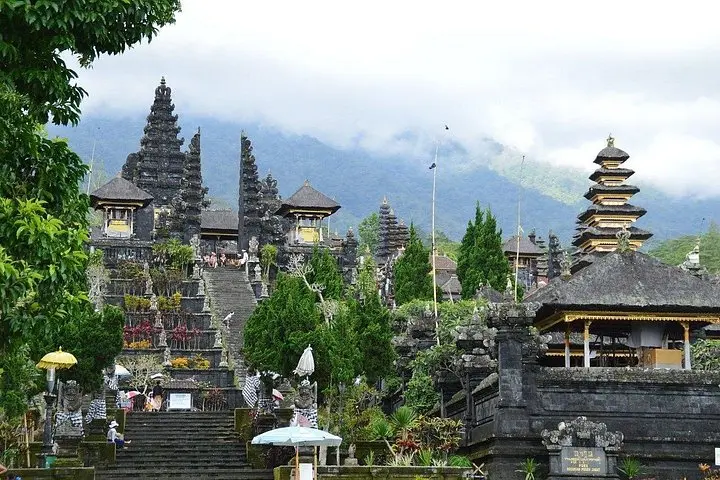
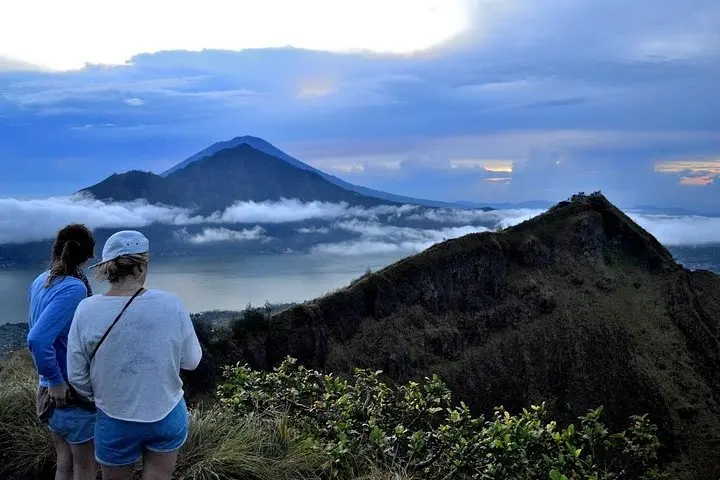
This full-day loop moves between two of Bali’s most defining landscapes: the volcanic amphitheater of Kintamani and the terraced slopes around Besakih, the island’s largest temple complex. Geologically, you’re on the Ring of Fire—Lake Batur sits in a caldera formed by repeated eruptions, and Mount Agung’s higher cone anchors the eastern skyline. Culturally, Besakih (Pura Penataran Agung) is the “mother” temple comprised of more than twenty shrines where Balinese Hindu ceremonies still mark life and harvest cycles.
Expect a mix of paved viewpoints and stepped temple paths; steep stone stairways at Besakih test knees and respect for ritual etiquette is required—cover shoulders and wear a sarong or sash when entering inner courtyards. Photo stops at Penelokan give expansive lake-and-volcano panoramas; nearby warungs serve local grilled fish and strong Balinese coffee.
Practical guidance: start early to avoid mid-day haze, carry sun protection and at least 1.5 liters of water, and wear shoes with good traction for temple steps. The tour includes private transport and an English-speaking driver-guide, making logistics simple, but bring modest clothing for sacred sites and a light rain layer in the wet season.
The tour runs about 9–10 hours; most operators offer early morning pickup (around 7:00–8:00) to maximize clear views and cultural activities.
Besakih includes many steep stone stairways and uneven surfaces; visitors with limited mobility may only access lower courtyards and viewing areas.
Typical full-day tours include admission to key sites like Besakih and viewpoint areas—confirm in your booking details to avoid surprises.
Modest clothing covering shoulders and knees is expected; many sites provide or rent sarongs and sashes if you don’t bring your own.
Bali Tours by Maharaja Tours operates guided outdoor trips and adventures with an emphasis on safety, stewardship, and memorable experiences.
You arrive on the rim road above Lake Batur as mist lifts off a coffee-dark crater lake and Mount Batur’s caldera stares back—smoke ghosting at its summit. The air is cooler here than on the coast; vendors line the roadside with trays of roasted beans and steamed sweet cassava.
You arrive on the rim road above Lake Batur as mist lifts off a coffee-dark crater lake and Mount Batur’s caldera stares back—smoke ghosting at its summit. The air is cooler here than on the coast; vendors line the roadside with trays of roasted beans and steamed sweet cassava.
This full-day loop moves between two of Bali’s most defining landscapes: the volcanic amphitheater of Kintamani and the terraced slopes around Besakih, the island’s largest temple complex. Geologically, you’re on the Ring of Fire—Lake Batur sits in a caldera formed by repeated eruptions, and Mount Agung’s higher cone anchors the eastern skyline. Culturally, Besakih (Pura Penataran Agung) is the “mother” temple comprised of more than twenty shrines where Balinese Hindu ceremonies still mark life and harvest cycles.
Expect a mix of paved viewpoints and stepped temple paths; steep stone stairways at Besakih test knees and respect for ritual etiquette is required—cover shoulders and wear a sarong or sash when entering inner courtyards. Photo stops at Penelokan give expansive lake-and-volcano panoramas; nearby warungs serve local grilled fish and strong Balinese coffee.
Practical guidance: start early to avoid mid-day haze, carry sun protection and at least 1.5 liters of water, and wear shoes with good traction for temple steps. The tour includes private transport and an English-speaking driver-guide, making logistics simple, but bring modest clothing for sacred sites and a light rain layer in the wet season.