THE ADVENTURE COLLECTIVE® · Independent discovery and booking for outdoor travel

Spend a full day above Bali’s caldera, where Mount Batur’s crater lake and the sculpted rice terraces of Tegalalang meet village craft and ancient temples. This private tour blends accessible viewpoints, artisan visits, and a stop at Goa Gajah for a compact cultural and geological overview.
Spend a full day above Bali’s caldera, where Mount Batur’s crater lake and the sculpted rice terraces of Tegalalang meet village craft and ancient temples. This private tour blends accessible viewpoints, artisan visits, and a stop at Goa Gajah for a compact cultural and geological overview.
A cool mountain wind greets the road as the island’s humid flatlands fall behind and Bali’s volcanic spine lifts into view. Drivers steer along a ridge where Mount Batur’s broad caldera occupies the middle distance and a mirror-like crater lake sits low and still, daring visitors to come closer.
Verified experiences and guided adventures in the surrounding area.
Operated by Asian Trails LTD · Kintamani, Bali
A cool mountain wind greets the road as the island’s humid flatlands fall behind and Bali’s volcanic spine lifts into view. Drivers steer along a ridge where Mount Batur’s broad caldera occupies the middle distance and a mirror-like crater lake sits low and still, daring visitors to come closer.
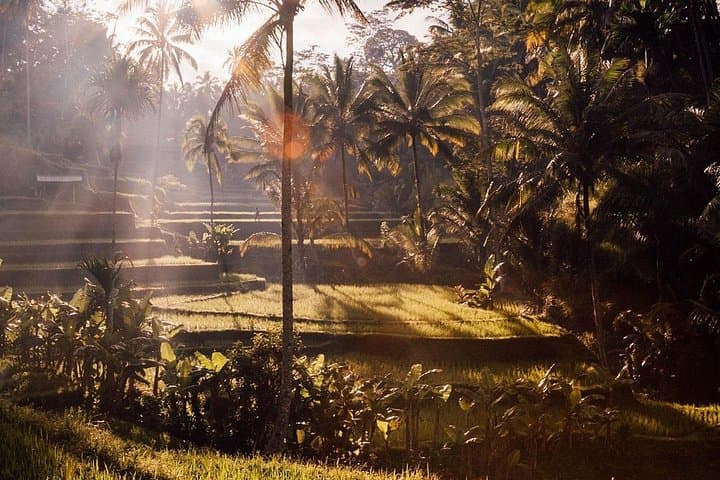
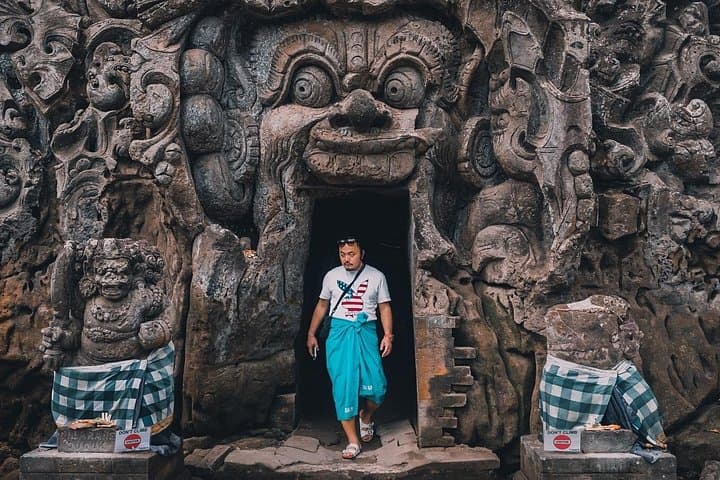
This full-day outing threads cultural history with raw geology. The Tegalalang terraces near Ubud show the island’s Subak irrigation—an age-old cooperative system now recognized by UNESCO—while Goa Gajah, the so-called Elephant Cave, recalls ninth- to twelfth-century Hindu-Balinese ritual life after its rediscovery in the 1920s. Village compounds (karang) and Mas’ woodcarving ateliers offer a practical lesson in craft, caste, and household layout that underpins Balinese daily practice.
Expect forested lanes, terraced slopes, and the coarse black rock of recent volcanic flows. Farmers still tend steep plots on a three-day rotation; markets sell lake fish and bright local oranges. The ridge above Mount Batur gives panoramic, easily accessible viewpoints rather than technical scrambling—this is sightseeing with a steady pulse.
Practicalities: the day runs about 8–9 hours with comfortable vehicle transfers from Ubud or south Bali. Bring sun protection, water, and modest clothing for temple visits. Footwear should handle uneven village paths and slick steps near rice paddies. Morning light is best for views; crowds thin on weekdays. Carry small change for market purchases and respect temple protocol—cover shoulders and remove hats if requested.
The tour balances quiet observation with hands-on culture, suited to travelers wanting scenic geology and living traditions in one deliberate day.
The outing is about 8–9 hours; typically it includes entrance fees listed in the itinerary, lunch at a local restaurant, an English-speaking guide, and transfers from Ubud or select south Bali hotels.
No technical hiking is required—there are short walks and steps at sites; the day is suitable for most fitness levels but involves standing and light walking.
Yes; visitors are welcome but should follow local protocols such as wearing modest clothing and listening to guide instructions. Some temples may ask for a sarong or sash.
Morning hours after sunrise offer the clearest air and softer light for photos; afternoons can be hazier and warmer.
Asian Trails LTD operates guided outdoor trips and adventures with an emphasis on safety, stewardship, and memorable experiences.
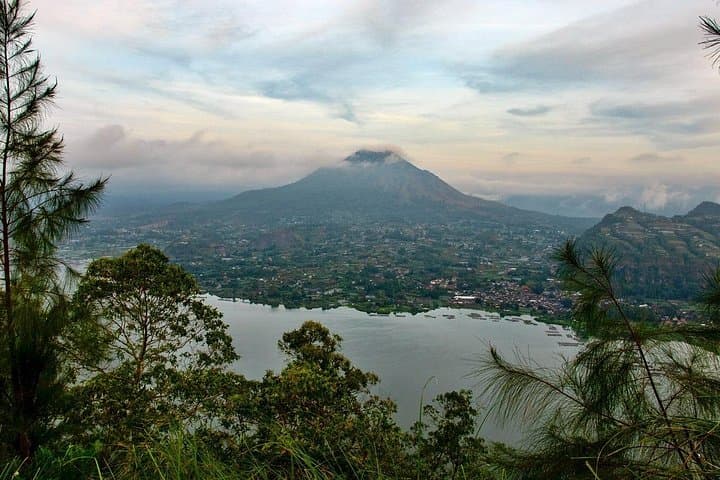
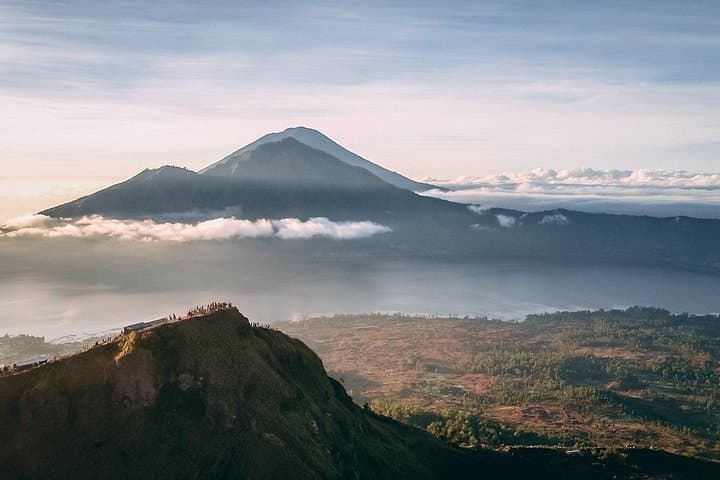
A cool mountain wind greets the road as the island’s humid flatlands fall behind and Bali’s volcanic spine lifts into view. Drivers steer along a ridge where Mount Batur’s broad caldera occupies the middle distance and a mirror-like crater lake sits low and still, daring visitors to come closer.
A cool mountain wind greets the road as the island’s humid flatlands fall behind and Bali’s volcanic spine lifts into view. Drivers steer along a ridge where Mount Batur’s broad caldera occupies the middle distance and a mirror-like crater lake sits low and still, daring visitors to come closer.
This full-day outing threads cultural history with raw geology. The Tegalalang terraces near Ubud show the island’s Subak irrigation—an age-old cooperative system now recognized by UNESCO—while Goa Gajah, the so-called Elephant Cave, recalls ninth- to twelfth-century Hindu-Balinese ritual life after its rediscovery in the 1920s. Village compounds (karang) and Mas’ woodcarving ateliers offer a practical lesson in craft, caste, and household layout that underpins Balinese daily practice.
Expect forested lanes, terraced slopes, and the coarse black rock of recent volcanic flows. Farmers still tend steep plots on a three-day rotation; markets sell lake fish and bright local oranges. The ridge above Mount Batur gives panoramic, easily accessible viewpoints rather than technical scrambling—this is sightseeing with a steady pulse.
Practicalities: the day runs about 8–9 hours with comfortable vehicle transfers from Ubud or south Bali. Bring sun protection, water, and modest clothing for temple visits. Footwear should handle uneven village paths and slick steps near rice paddies. Morning light is best for views; crowds thin on weekdays. Carry small change for market purchases and respect temple protocol—cover shoulders and remove hats if requested.
The tour balances quiet observation with hands-on culture, suited to travelers wanting scenic geology and living traditions in one deliberate day.