THE ADVENTURE COLLECTIVE® · Independent discovery and booking for outdoor travel

A short drive from Moshi delivers a walkable cascade and small cave complex on Kilimanjaro’s lower slopes. This half-day cultural and nature outing combines a brief forest hike, swimming at a volcanic spring-fed waterfall, and a look into Chagga history.
A short drive from Moshi delivers a walkable cascade and small cave complex on Kilimanjaro’s lower slopes. This half-day cultural and nature outing combines a brief forest hike, swimming at a volcanic spring-fed waterfall, and a look into Chagga history.
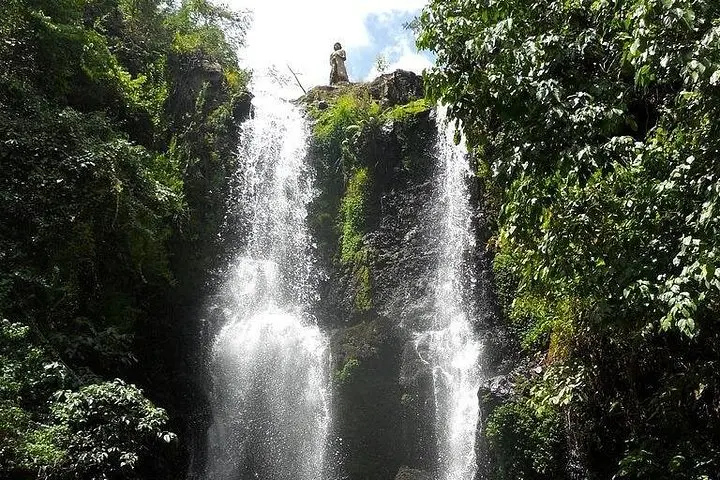
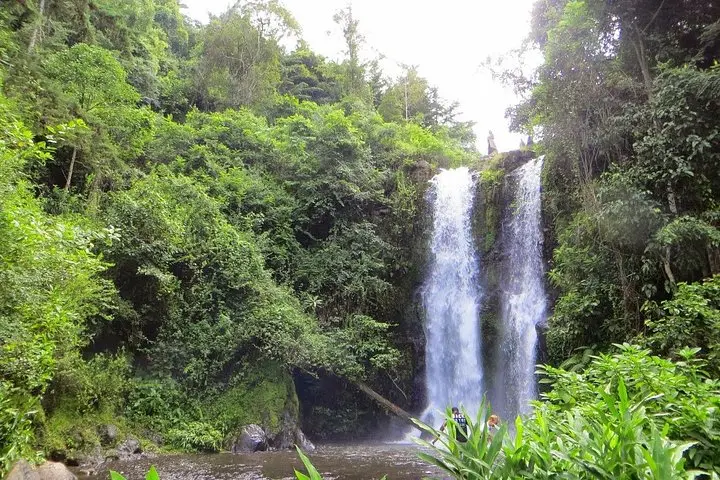
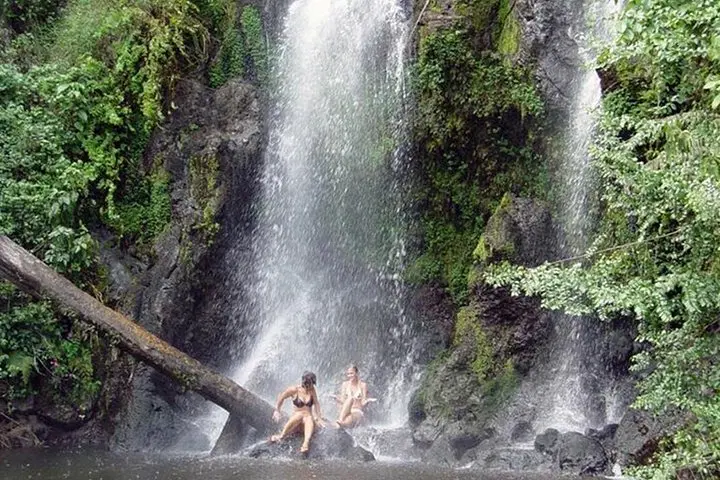
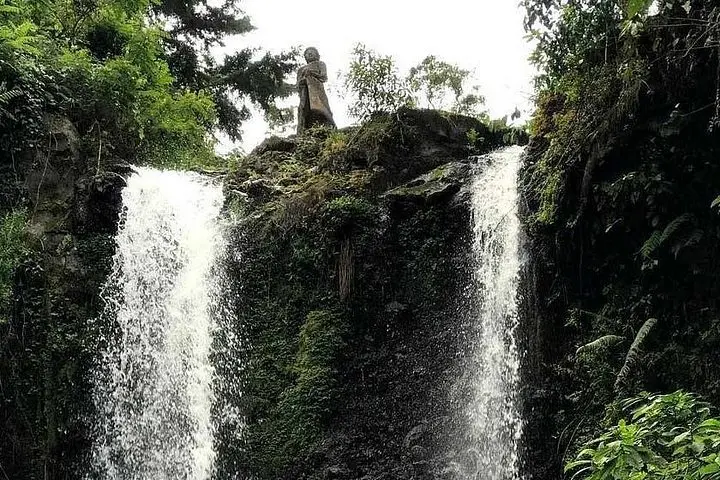
A morning begins with a private drive from Moshi through patchwork farms and eucalyptus trunks that lean like sentries over the valley. By the time the van drops you at Marangu, the air already smells of cool spring water and wet volcanic stone. A twenty-minute walk through a mixed montane forest leads to Kinukamori: a clear cascade that pours from Kilimanjaro’s volcanic aquifers, pooling in a shallow basin that invites a quick swim or a quiet seat on the boulders.
Verified experiences and guided adventures in the surrounding area.
Operated by Kilimanjaro Safari Experience · Marangu, Kilimanjaro Region
A morning begins with a private drive from Moshi through patchwork farms and eucalyptus trunks that lean like sentries over the valley. By the time the van drops you at Marangu, the air already smells of cool spring water and wet volcanic stone. A twenty-minute walk through a mixed montane forest leads to Kinukamori: a clear cascade that pours from Kilimanjaro’s volcanic aquifers, pooling in a shallow basin that invites a quick swim or a quiet seat on the boulders.
This landscape sits in Chagga country; the Chagga have farmed these lower slopes for centuries and built earthen terraces that slow water and keep soils productive. Geologically, the waterfall sources are seepages through old lava and ash layers on Kilimanjaro’s flank—water filtered through porous volcanic rock, returning cool and mineral-rich. Nearby the cave of Chief Mareale offers a cultural pause point: modest chambers that once held ritual and refuge, now read as local history rather than spectacle.
Practically, expect a 30-minute drive from Moshi, a 20–30 minute hike on mostly well-trodden trails, and several short sections of slick rock if it’s wet. Guides typically include bottled water and a hot lunch box; bring a swimsuit, quick-dry towel, closed shoes with grip, and modest clothing for village stops. Aim to visit outside the long rains (March–May) for firmer trails and clearer swimming. Respect private farmland, follow your guide’s directions around the caves, and leave no trace—this site is small and locally managed, so low-impact behavior keeps it accessible for the community.
The hike from Marangu to Kinukamori is about 20–30 minutes on an easy, well-trodden path with short steeper sections.
Yes—there’s a shallow pool suitable for swimming; check with your guide about current conditions and avoid diving on unseen rocks.
The Mareale caves are small and accessible; guides will lead visits—stay close to avoid narrow or unstable sections and follow instructions.
The operator lists the activity as accessible in parts: vehicle and some areas are wheelchair-accessible, but the waterfall approach involves uneven ground not ideal for wheelchairs; check specific accessibility needs with the operator before booking.
Kilimanjaro Safari Experience operates guided outdoor trips and adventures with an emphasis on safety, stewardship, and memorable experiences.
A morning begins with a private drive from Moshi through patchwork farms and eucalyptus trunks that lean like sentries over the valley. By the time the van drops you at Marangu, the air already smells of cool spring water and wet volcanic stone. A twenty-minute walk through a mixed montane forest leads to Kinukamori: a clear cascade that pours from Kilimanjaro’s volcanic aquifers, pooling in a shallow basin that invites a quick swim or a quiet seat on the boulders.
A morning begins with a private drive from Moshi through patchwork farms and eucalyptus trunks that lean like sentries over the valley. By the time the van drops you at Marangu, the air already smells of cool spring water and wet volcanic stone. A twenty-minute walk through a mixed montane forest leads to Kinukamori: a clear cascade that pours from Kilimanjaro’s volcanic aquifers, pooling in a shallow basin that invites a quick swim or a quiet seat on the boulders.
This landscape sits in Chagga country; the Chagga have farmed these lower slopes for centuries and built earthen terraces that slow water and keep soils productive. Geologically, the waterfall sources are seepages through old lava and ash layers on Kilimanjaro’s flank—water filtered through porous volcanic rock, returning cool and mineral-rich. Nearby the cave of Chief Mareale offers a cultural pause point: modest chambers that once held ritual and refuge, now read as local history rather than spectacle.
Practically, expect a 30-minute drive from Moshi, a 20–30 minute hike on mostly well-trodden trails, and several short sections of slick rock if it’s wet. Guides typically include bottled water and a hot lunch box; bring a swimsuit, quick-dry towel, closed shoes with grip, and modest clothing for village stops. Aim to visit outside the long rains (March–May) for firmer trails and clearer swimming. Respect private farmland, follow your guide’s directions around the caves, and leave no trace—this site is small and locally managed, so low-impact behavior keeps it accessible for the community.