THE ADVENTURE COLLECTIVE® · Independent discovery and booking for outdoor travel

Walk through high‑elevation pine and primary forest to a cliff with sweeping views of the Cardamom Range, then descend to a hidden waterfall and bat cave managed by Chambok Ecotourism. This full‑day trek blends easygoing climbs with strong local stewardship and scenic payoff.
Walk through high‑elevation pine and primary forest to a cliff with sweeping views of the Cardamom Range, then descend to a hidden waterfall and bat cave managed by Chambok Ecotourism. This full‑day trek blends easygoing climbs with strong local stewardship and scenic payoff.
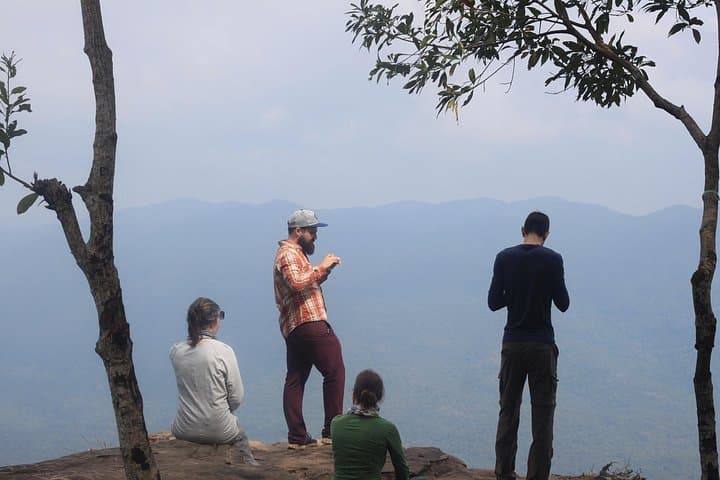
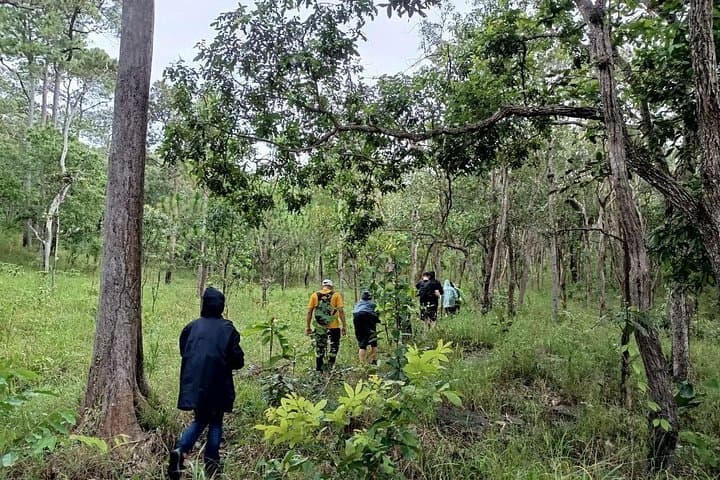
You step off the dusty road into cool pine shade; needles whisper underfoot and a distant stream dares you deeper into the hill. The trail climbs through a patchwork of primary deciduous forest and high-elevation pine, opening suddenly to a cliff that frames the Cardamom Mountains as a low, blue wall on the horizon.
Verified experiences and guided adventures in the surrounding area.
Operated by Vana Adventure Travel · Kampong Speu, Kampong Speu Province
You step off the dusty road into cool pine shade; needles whisper underfoot and a distant stream dares you deeper into the hill. The trail climbs through a patchwork of primary deciduous forest and high-elevation pine, opening suddenly to a cliff that frames the Cardamom Mountains as a low, blue wall on the horizon.
Kirirom sits on a 700‑meter plateau once named “Mountain of Joy” by the Cambodian king. Geologically it’s part of the Elephant Mountains, a series of ridges that capture cloud and feed the island‑like headwaters running toward Kampong Speu. Cultural threads run through the route — ranger trails used by local communities and the Chambok Ecotourism network that stewards waterfalls, caves and village homestays.
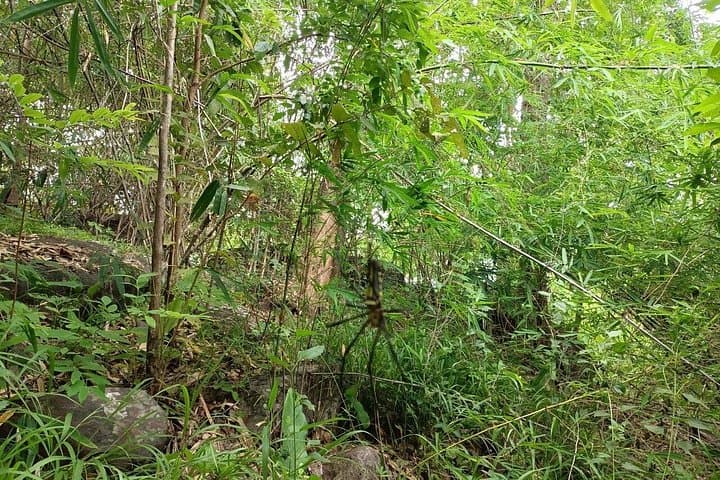
Expect uneven dirt paths, short steep pitches to viewpoints, and a shaded descent to a modest waterfall and bat cave frequented by local guides. Birdsong and the occasional gibbon call punctuate the canopy; sightings of sun bear or tiger are rare but part of the park’s conservation story.
Practical guidance: start early for cooler air and clearer views, carry 1.5–2 liters of water, and wear closed shoes with grip — sections can be slippery after rain. A packed lunch is typically provided, and local guides navigate community trails and handle permits. Mobile signal is intermittent; treat the day as a true park outing: slow your pace, respect wildlife, and leave no trace.
Typical outings last 6–8 hours with moderate terrain: uneven dirt trails, brief steep sections and a downhill to the waterfall — suitable for most who are reasonably fit.
Yes — guides accommodate a wide range of ages, but younger children should be monitored on steep or slippery sections; infant seats are available in transport.
Yes — the tour includes national park entrance and Chambok ecotourism community fees as listed in inclusions.
Common sightings include various forest birds and occasionally gibbon calls; sightings of large mammals like sun bears or tigers are rare and unlikely on a day visit.
Vana Adventure Travel operates guided outdoor trips and adventures with an emphasis on safety, stewardship, and memorable experiences.

You step off the dusty road into cool pine shade; needles whisper underfoot and a distant stream dares you deeper into the hill. The trail climbs through a patchwork of primary deciduous forest and high-elevation pine, opening suddenly to a cliff that frames the Cardamom Mountains as a low, blue wall on the horizon.
You step off the dusty road into cool pine shade; needles whisper underfoot and a distant stream dares you deeper into the hill. The trail climbs through a patchwork of primary deciduous forest and high-elevation pine, opening suddenly to a cliff that frames the Cardamom Mountains as a low, blue wall on the horizon.
Kirirom sits on a 700‑meter plateau once named “Mountain of Joy” by the Cambodian king. Geologically it’s part of the Elephant Mountains, a series of ridges that capture cloud and feed the island‑like headwaters running toward Kampong Speu. Cultural threads run through the route — ranger trails used by local communities and the Chambok Ecotourism network that stewards waterfalls, caves and village homestays.
Expect uneven dirt paths, short steep pitches to viewpoints, and a shaded descent to a modest waterfall and bat cave frequented by local guides. Birdsong and the occasional gibbon call punctuate the canopy; sightings of sun bear or tiger are rare but part of the park’s conservation story.
Practical guidance: start early for cooler air and clearer views, carry 1.5–2 liters of water, and wear closed shoes with grip — sections can be slippery after rain. A packed lunch is typically provided, and local guides navigate community trails and handle permits. Mobile signal is intermittent; treat the day as a true park outing: slow your pace, respect wildlife, and leave no trace.