THE ADVENTURE COLLECTIVE® · Independent discovery and booking for outdoor travel

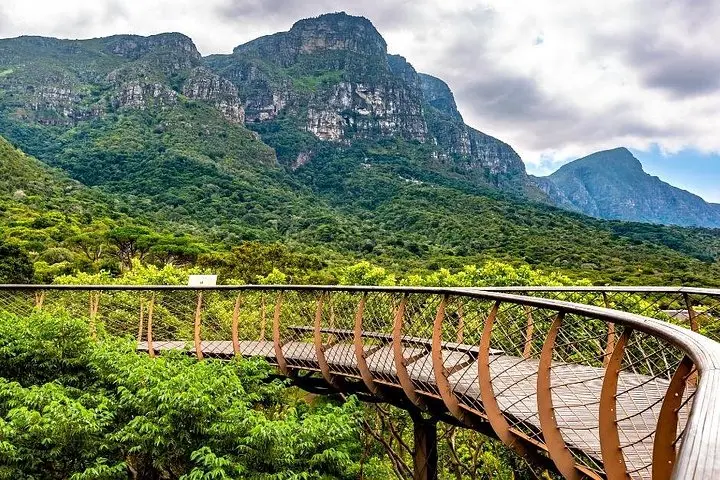
A half-day in Kirstenbosch places you at the edge of Table Mountain amid fynbos, birdlife, and the Boomslang canopy walkway. This entry ticket gives access to paved loops, shaded ravines, and seasonal wildflower displays—perfect for families and nature seekers.
A half-day in Kirstenbosch places you at the edge of Table Mountain amid fynbos, birdlife, and the Boomslang canopy walkway. This entry ticket gives access to paved loops, shaded ravines, and seasonal wildflower displays—perfect for families and nature seekers.
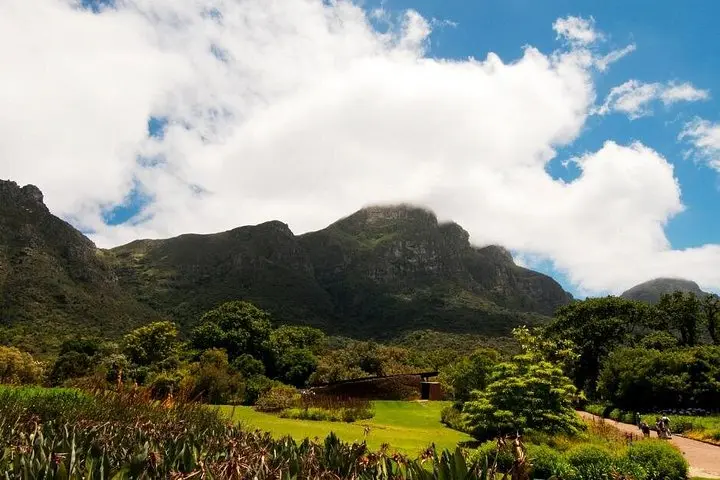
You step through a wide gate and the city’s hum falls away—an open lawn, the warm resin-scent of proteas, and Table Mountain rising like a slow-moving wall to the west.
Verified experiences and guided adventures in the surrounding area.
Operated by Figo Travel and Tours · Cape Town, Western Cape
You step through a wide gate and the city’s hum falls away—an open lawn, the warm resin-scent of proteas, and Table Mountain rising like a slow-moving wall to the west.
Kirstenbosch sits on the eastern slopes of Table Mountain within the Cape Floristic Region, a UNESCO-protected hotspot of plant diversity. The garden was established in 1913 to cultivate and study South Africa’s unique flora; geology here is dominated by ancient sandstone and granite that shape steep contours and sheltered ravines.
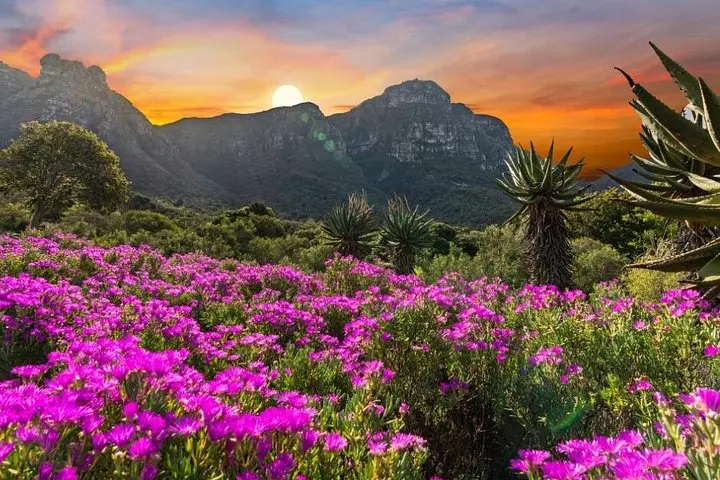
Culturally the gardens are a meeting point: local families picnic on weekends, botanists monitor fynbos blooms, and sculptors occasionally place work among the beds. Birdsong—especially from sunbirds and the Cape sugarbird—threads through the hedges, and seasonal wildflowers can paint the slopes in vivid bands.
Practically, most visitors follow a 1–3 km loop on paved and compacted gravel paths that rise gently toward the Boomslang canopy walkway. Hikers can extend to the contour path toward Skeleton Gorge for a multi-hour route that gains roughly 700–900 m to Table Mountain’s plateau. Surfaces are firm but can be steep in places; wear grippy shoes and bring at least 1–2 liters of water for extended walks.
Peak wildflower displays arrive in spring while summer brings strong sun and regular visitors; winter can be wet. Facilities include a café, restrooms, and clear signage—ideal for families and solo travelers. Respect plant beds, stay on paths, and allow a half-day to absorb the gardens’ ecological and visual range.
This product is an entry ticket—check the vendor’s booking page, but general admission allows flexible arrival within opening hours.
The Boomslang is a raised steel-and-timber path with railings; parts are step-accessed—ask at the gate about stroller or mobility access.
Yes—contour paths link to routes like Skeleton Gorge, which are steep and require good fitness and proper gear; these are separate from the garden entry experience.
Pets are generally not permitted within Kirstenbosch to protect wildlife and fragile plantings—confirm current rules before visiting.
Figo Travel and Tours operates guided outdoor trips and adventures with an emphasis on safety, stewardship, and memorable experiences.
You step through a wide gate and the city’s hum falls away—an open lawn, the warm resin-scent of proteas, and Table Mountain rising like a slow-moving wall to the west.
You step through a wide gate and the city’s hum falls away—an open lawn, the warm resin-scent of proteas, and Table Mountain rising like a slow-moving wall to the west.
Kirstenbosch sits on the eastern slopes of Table Mountain within the Cape Floristic Region, a UNESCO-protected hotspot of plant diversity. The garden was established in 1913 to cultivate and study South Africa’s unique flora; geology here is dominated by ancient sandstone and granite that shape steep contours and sheltered ravines.
Culturally the gardens are a meeting point: local families picnic on weekends, botanists monitor fynbos blooms, and sculptors occasionally place work among the beds. Birdsong—especially from sunbirds and the Cape sugarbird—threads through the hedges, and seasonal wildflowers can paint the slopes in vivid bands.
Practically, most visitors follow a 1–3 km loop on paved and compacted gravel paths that rise gently toward the Boomslang canopy walkway. Hikers can extend to the contour path toward Skeleton Gorge for a multi-hour route that gains roughly 700–900 m to Table Mountain’s plateau. Surfaces are firm but can be steep in places; wear grippy shoes and bring at least 1–2 liters of water for extended walks.
Peak wildflower displays arrive in spring while summer brings strong sun and regular visitors; winter can be wet. Facilities include a café, restrooms, and clear signage—ideal for families and solo travelers. Respect plant beds, stay on paths, and allow a half-day to absorb the gardens’ ecological and visual range.