THE ADVENTURE COLLECTIVE® · Independent discovery and booking for outdoor travel

Explore Lake Rwihinda’s reedbeds on a three-hour private birding tour from Kirundo. Cycle lakeside trails, take a short boat ride, sample local Mukeke, and spot species like African jacana and kingfishers.
Explore Lake Rwihinda’s reedbeds on a three-hour private birding tour from Kirundo. Cycle lakeside trails, take a short boat ride, sample local Mukeke, and spot species like African jacana and kingfishers.
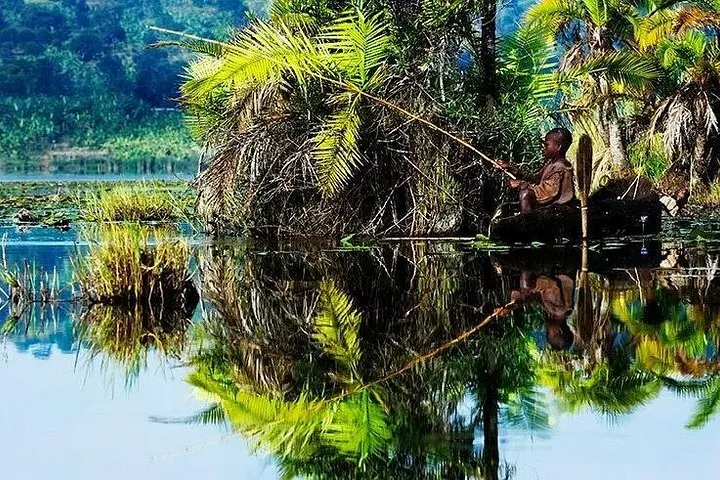
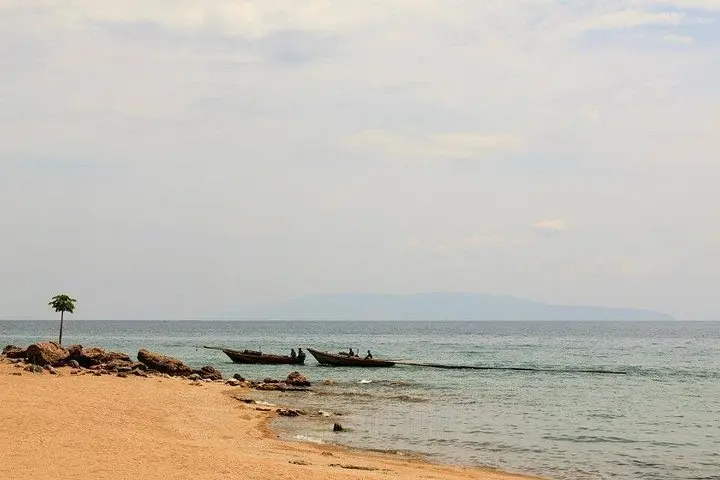
Morning light skims the flat water of Lake Rwihinda as reedbeds stir and a kingfisher darts low over the surface. On this three-hour, private nature tour out of Kirundo, visitors move slowly—by bicycle along lakeside tracks and by short boat across quiet bays—searching reed fringes and papyrus marshes for wetland species.
Verified experiences and guided adventures in the surrounding area.
Operated by Opatrip.com Burundi · Kirundo, Kirundo Province
Morning light skims the flat water of Lake Rwihinda as reedbeds stir and a kingfisher darts low over the surface. On this three-hour, private nature tour out of Kirundo, visitors move slowly—by bicycle along lakeside tracks and by short boat across quiet bays—searching reed fringes and papyrus marshes for wetland species.
Lake Rwihinda sits in northern Burundi’s uplands, a cluster of shallow lakes and marshes shaped by seasonal runoff and the region’s rolling volcanic plateau. The lakes have long supported local fishing and small-scale agriculture; Mukeke, a tiny freshwater fish served in Bujumbura and local villages, figures in both the menus and the lakeside economy.
A trained local guide points out up to 49 species reported on typical itineraries: herons and egrets, African jacana skimming lily pads, kingfishers, and the unmistakable cry of the African fish eagle. The geology is straightforward—low-relief basin lakes with muddy shores and reedbeds—so terrain is easy but uneven in places, and light changes fast for photographers.
Practical note: the tour runs about three hours, includes bicycles and a short boat ride, and requires moderate fitness for cycling short loops (a few kilometers). Bring binoculars, insect repellent, waterproof footwear, and a camera with a zoom lens; plan for early morning light and variable weather. Respect local rules, avoid trampling papyrus, and leave no trace—the wetlands are fragile but rewarding, offering close encounters and excellent photography in a compact, accessible package.
Yes—this private tour typically provides bicycles for lakeside loops and a short boat ride as part of the itinerary.
Early morning is prime for activity and light; late afternoon can also be productive but mornings offer the most consistent sightings.
Moderate—expect several short cycling stretches and walking on uneven, sometimes muddy ground; basic cycling ability is required.
The tour description notes a Mukeke tasting opportunity during the boat ride or at a lakeside stop; bring cash for purchases and check any dietary concerns ahead of time.
Opatrip.com Burundi operates guided outdoor trips and adventures with an emphasis on safety, stewardship, and memorable experiences.
Morning light skims the flat water of Lake Rwihinda as reedbeds stir and a kingfisher darts low over the surface. On this three-hour, private nature tour out of Kirundo, visitors move slowly—by bicycle along lakeside tracks and by short boat across quiet bays—searching reed fringes and papyrus marshes for wetland species.
Morning light skims the flat water of Lake Rwihinda as reedbeds stir and a kingfisher darts low over the surface. On this three-hour, private nature tour out of Kirundo, visitors move slowly—by bicycle along lakeside tracks and by short boat across quiet bays—searching reed fringes and papyrus marshes for wetland species.
Lake Rwihinda sits in northern Burundi’s uplands, a cluster of shallow lakes and marshes shaped by seasonal runoff and the region’s rolling volcanic plateau. The lakes have long supported local fishing and small-scale agriculture; Mukeke, a tiny freshwater fish served in Bujumbura and local villages, figures in both the menus and the lakeside economy.
A trained local guide points out up to 49 species reported on typical itineraries: herons and egrets, African jacana skimming lily pads, kingfishers, and the unmistakable cry of the African fish eagle. The geology is straightforward—low-relief basin lakes with muddy shores and reedbeds—so terrain is easy but uneven in places, and light changes fast for photographers.
Practical note: the tour runs about three hours, includes bicycles and a short boat ride, and requires moderate fitness for cycling short loops (a few kilometers). Bring binoculars, insect repellent, waterproof footwear, and a camera with a zoom lens; plan for early morning light and variable weather. Respect local rules, avoid trampling papyrus, and leave no trace—the wetlands are fragile but rewarding, offering close encounters and excellent photography in a compact, accessible package.