THE ADVENTURE COLLECTIVE® · Independent discovery and booking for outdoor travel

Cross the turquoise lanes from Shimoni to Kisite Mpunguti Marine Park for dolphin encounters, shallow-reef snorkeling and a Swahili seafood lunch on Wasini Island. Combine marine wildlife with a guided village walk and a visit to the historic Shimoni Slave Caves on this full-day South Coast excursion.
Cross the turquoise lanes from Shimoni to Kisite Mpunguti Marine Park for dolphin encounters, shallow-reef snorkeling and a Swahili seafood lunch on Wasini Island. Combine marine wildlife with a guided village walk and a visit to the historic Shimoni Slave Caves on this full-day South Coast excursion.
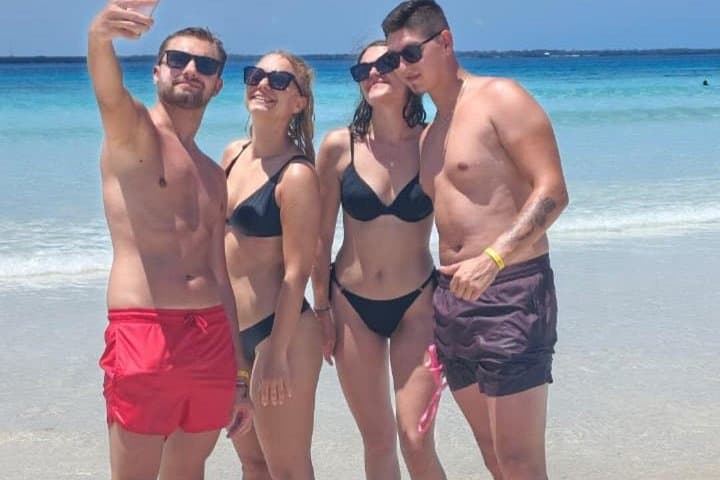
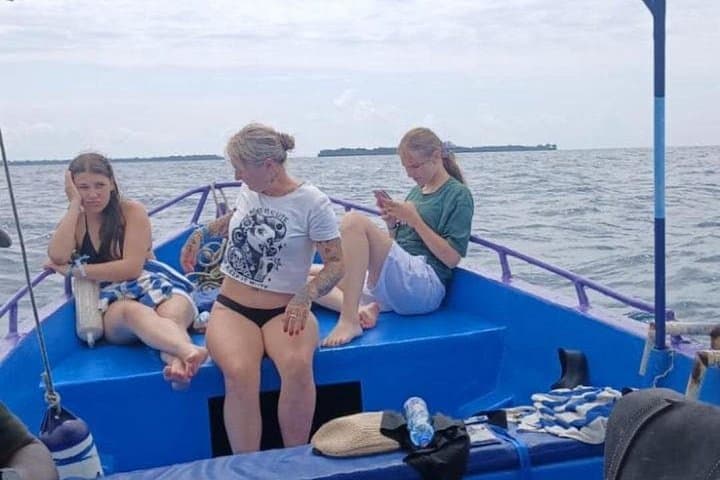
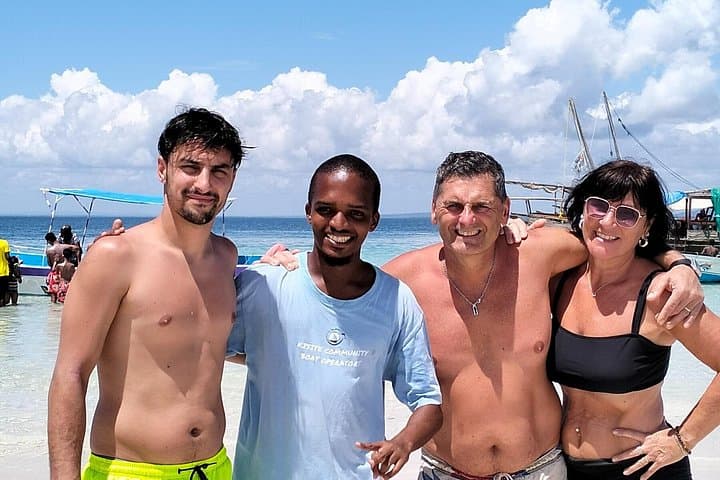
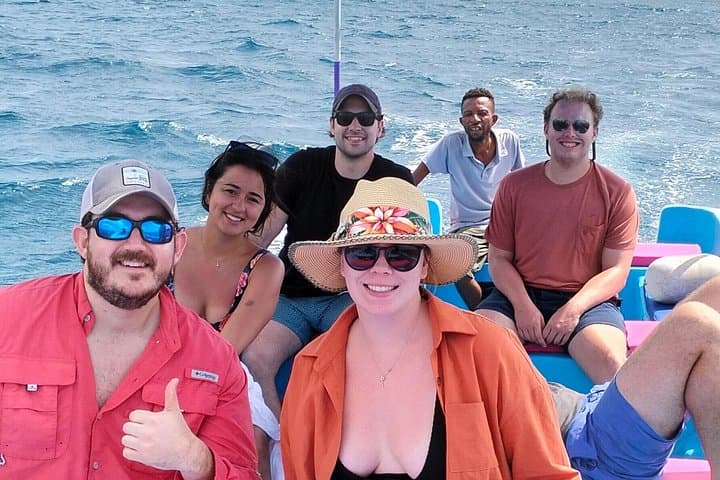
You step off the minivan at Shimoni with salt in your hair and a slab of Indian Ocean ahead, the sea daring you to cross. A traditional dhow or motorboat takes you out across turquoise lanes toward Kisite Mpunguti Marine Park, where the water changes tone from aquamarine to deep blue and dolphins often break the surface like punctuation marks.
Verified experiences and guided adventures in the surrounding area.
Operated by Awesome tours · Shimoni, Kwale County
You step off the minivan at Shimoni with salt in your hair and a slab of Indian Ocean ahead, the sea daring you to cross. A traditional dhow or motorboat takes you out across turquoise lanes toward Kisite Mpunguti Marine Park, where the water changes tone from aquamarine to deep blue and dolphins often break the surface like punctuation marks.
The South Coast of Kenya blends Swahili maritime history with volcanic and coral geology: coral platforms fringe the islands, while offshore beds formed by ancient reef growth cradle colorful pinnacles and shallow channels. Wasini Island’s community gardens and mangrove boardwalks reflect a coastal culture built around fishing, boatbuilding and coconut crops. Nearby, the Shimoni Slave Caves are a stark historical site—natural limestone caverns used during the East African slave trade and now interpreted by local guides.
Expect a full day (roughly nine hours): a scenic drive from Diani, boat crossing, dolphin watching, guided snorkeling over shallow reef flats (2–10 m depth), a Swahili seafood lunch on Wasini, a village walk, then a guided visit to the caves. The reef’s corals and schools of reef fish reward calm seas; currents can be present, so follow guides’ instructions.
Practical tips: wear reef-safe sunscreen, bring a light wind shell and water shoes for coral shorelines, and a small dry bag for valuables. If prone to seasickness, take precautions before departure. Respect the village—ask before photographing and support local vendors. The experience is equal parts marine wildlife, hands-on snorkeling and cultural context, offering a compact window into Kenya’s coastal life and conservation challenges.
Typical door-to-door duration is about nine hours, including transport to Shimoni, boat crossings, snorkeling time, lunch, village walk and the Shimoni Slave Caves visit.
Dolphins are commonly sighted in the park, especially in the morning, but sightings cannot be guaranteed—guides maximize chances by knowing local pods and seasonal patterns.
Yes—snorkeling equipment is included, but you may bring a personal mask/snorkel for fit and comfort if you prefer.
The caves are emotive and include narrow, dim passages; children can attend but guardians should consider the sensitive history and physical constraints of the site.
Awesome tours operates guided outdoor trips and adventures with an emphasis on safety, stewardship, and memorable experiences.
You step off the minivan at Shimoni with salt in your hair and a slab of Indian Ocean ahead, the sea daring you to cross. A traditional dhow or motorboat takes you out across turquoise lanes toward Kisite Mpunguti Marine Park, where the water changes tone from aquamarine to deep blue and dolphins often break the surface like punctuation marks.
You step off the minivan at Shimoni with salt in your hair and a slab of Indian Ocean ahead, the sea daring you to cross. A traditional dhow or motorboat takes you out across turquoise lanes toward Kisite Mpunguti Marine Park, where the water changes tone from aquamarine to deep blue and dolphins often break the surface like punctuation marks.
The South Coast of Kenya blends Swahili maritime history with volcanic and coral geology: coral platforms fringe the islands, while offshore beds formed by ancient reef growth cradle colorful pinnacles and shallow channels. Wasini Island’s community gardens and mangrove boardwalks reflect a coastal culture built around fishing, boatbuilding and coconut crops. Nearby, the Shimoni Slave Caves are a stark historical site—natural limestone caverns used during the East African slave trade and now interpreted by local guides.
Expect a full day (roughly nine hours): a scenic drive from Diani, boat crossing, dolphin watching, guided snorkeling over shallow reef flats (2–10 m depth), a Swahili seafood lunch on Wasini, a village walk, then a guided visit to the caves. The reef’s corals and schools of reef fish reward calm seas; currents can be present, so follow guides’ instructions.
Practical tips: wear reef-safe sunscreen, bring a light wind shell and water shoes for coral shorelines, and a small dry bag for valuables. If prone to seasickness, take precautions before departure. Respect the village—ask before photographing and support local vendors. The experience is equal parts marine wildlife, hands-on snorkeling and cultural context, offering a compact window into Kenya’s coastal life and conservation challenges.