THE ADVENTURE COLLECTIVE® · Independent discovery and booking for outdoor travel

Leave Luanda for a full-day safari at Kissama National Park, where vehicle game drives and a Kwanza River boat ride bring you close to giraffes, zebras, and riverside culture. This practical day trip pairs wildlife viewing with local food and historical stops.
Leave Luanda for a full-day safari at Kissama National Park, where vehicle game drives and a Kwanza River boat ride bring you close to giraffes, zebras, and riverside culture. This practical day trip pairs wildlife viewing with local food and historical stops.
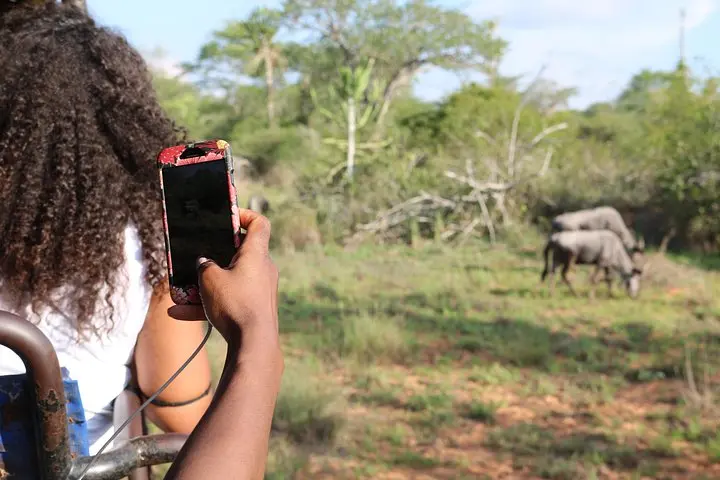
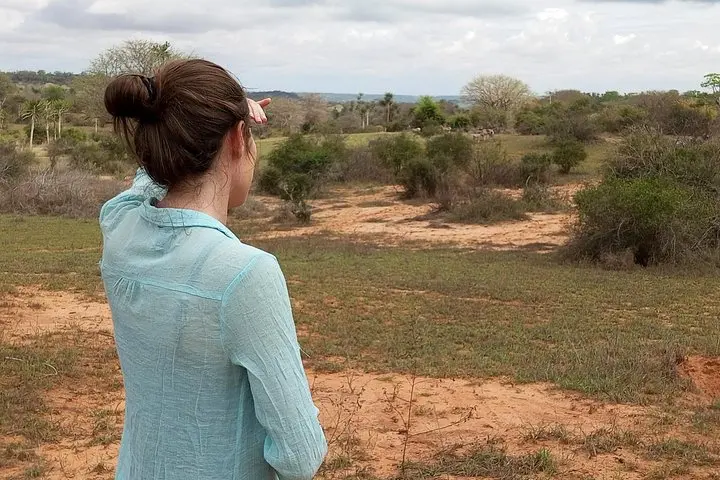
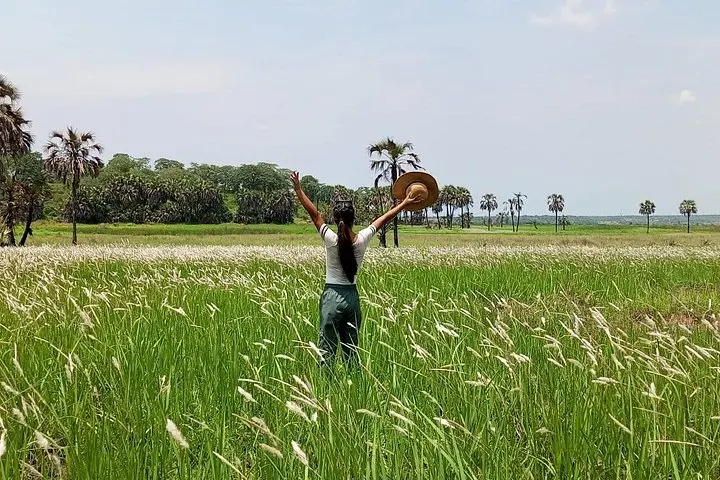
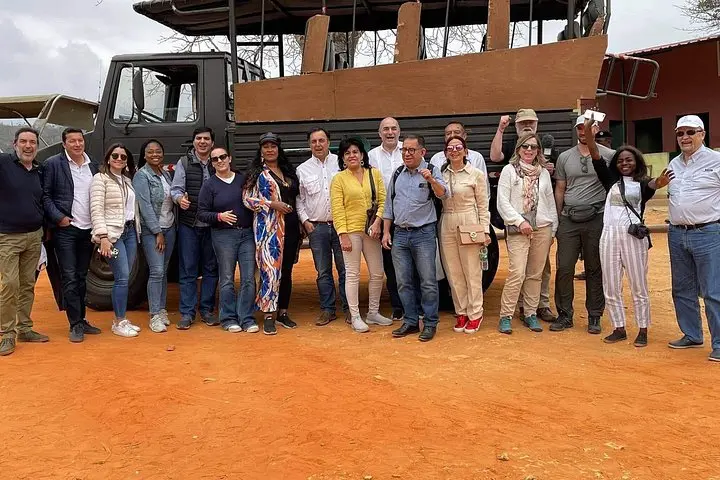
Dust lifts from the track as the convoy leaves Luanda behind and the Atlantic breeze gives way to dry savannah heat. Acacia silhouettes stretch across the horizon and a distant herd shuffles like a living horizon; the Kwanza River cuts a slow, glinting line through the park that seems to dare you to follow it.
Verified experiences and guided adventures in the surrounding area.
Operated by Luzaya · Quiçama, Luanda Province
Dust lifts from the track as the convoy leaves Luanda behind and the Atlantic breeze gives way to dry savannah heat. Acacia silhouettes stretch across the horizon and a distant herd shuffles like a living horizon; the Kwanza River cuts a slow, glinting line through the park that seems to dare you to follow it.
Quiçama (Kissama) National Park sits roughly 70 km south of Luanda, one of Angola’s largest protected areas and a place where reintroduced plains species—giraffe, zebra, and wildebeest—roam in managed reserves. The coastline and river plains reflect the region’s geology: ancient low plateaus eroded into broad floodplains that feed seasonal grasslands. Cultural stops on many day tours include the Benfica craft market and the archaeological memories in the Museum of Slavery, offering context to Angola’s coastal history and the communities that border the park.
Expect a travel rhythm of vehicle-based game drives, short walking stops, and a calm boat ride along the Kwanza to reach a riverside lunch. Wildlife sightings are best in the cooler morning and late afternoon hours; midday brings heat and quieter animals. Roads can be dusty and, in the rainy season, rutted—an air-conditioned vehicle is standard on organized tours.
Practical tips: carry sun protection, insect repellent, and a telephoto lens for respectful distance viewing. Hydrate before you arrive and wear closed shoes for brief walks. If you’re traveling between November and April, be prepared for afternoon showers and mosquitoes; the dry season (May–October) offers easier travel and more concentrated game near water. The day finishes with local fish dishes—try mufete—giving a final taste of the Kwanza’s influence on Angolan cuisine.
The drive is about 1.5–2 hours each way depending on traffic and your pickup point in Luanda.
Kissama is known for reintroduced plains species such as giraffe, zebra, and wildebeest; large predators and elephants are less commonly encountered than in larger African parks.
Yes, typical day tours include a boat segment on the Kwanza that links the safari area to a riverside restaurant experience.
Most organized day tours are family-friendly and suitable for those with limited mobility since travel is vehicle-based, but inform the operator of special needs before booking.
Luzaya operates guided outdoor trips and adventures with an emphasis on safety, stewardship, and memorable experiences.
Dust lifts from the track as the convoy leaves Luanda behind and the Atlantic breeze gives way to dry savannah heat. Acacia silhouettes stretch across the horizon and a distant herd shuffles like a living horizon; the Kwanza River cuts a slow, glinting line through the park that seems to dare you to follow it.
Dust lifts from the track as the convoy leaves Luanda behind and the Atlantic breeze gives way to dry savannah heat. Acacia silhouettes stretch across the horizon and a distant herd shuffles like a living horizon; the Kwanza River cuts a slow, glinting line through the park that seems to dare you to follow it.
Quiçama (Kissama) National Park sits roughly 70 km south of Luanda, one of Angola’s largest protected areas and a place where reintroduced plains species—giraffe, zebra, and wildebeest—roam in managed reserves. The coastline and river plains reflect the region’s geology: ancient low plateaus eroded into broad floodplains that feed seasonal grasslands. Cultural stops on many day tours include the Benfica craft market and the archaeological memories in the Museum of Slavery, offering context to Angola’s coastal history and the communities that border the park.
Expect a travel rhythm of vehicle-based game drives, short walking stops, and a calm boat ride along the Kwanza to reach a riverside lunch. Wildlife sightings are best in the cooler morning and late afternoon hours; midday brings heat and quieter animals. Roads can be dusty and, in the rainy season, rutted—an air-conditioned vehicle is standard on organized tours.
Practical tips: carry sun protection, insect repellent, and a telephoto lens for respectful distance viewing. Hydrate before you arrive and wear closed shoes for brief walks. If you’re traveling between November and April, be prepared for afternoon showers and mosquitoes; the dry season (May–October) offers easier travel and more concentrated game near water. The day finishes with local fish dishes—try mufete—giving a final taste of the Kwanza’s influence on Angolan cuisine.