THE ADVENTURE COLLECTIVE® · Independent discovery and booking for outdoor travel

Take to the terrace of a 19th‑century mansion in Jaipur to fly kites and learn traditional turban tying. This 2–3 hour experience combines hands‑on instruction, local hospitality, and rooftop views of the city.
Take to the terrace of a 19th‑century mansion in Jaipur to fly kites and learn traditional turban tying. This 2–3 hour experience combines hands‑on instruction, local hospitality, and rooftop views of the city.
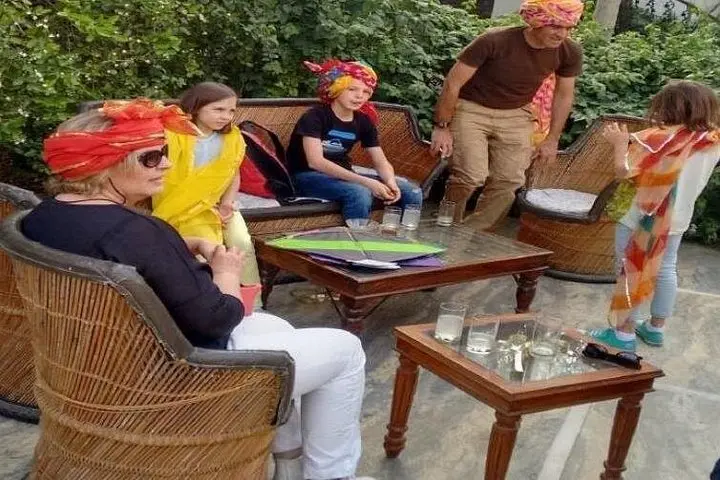
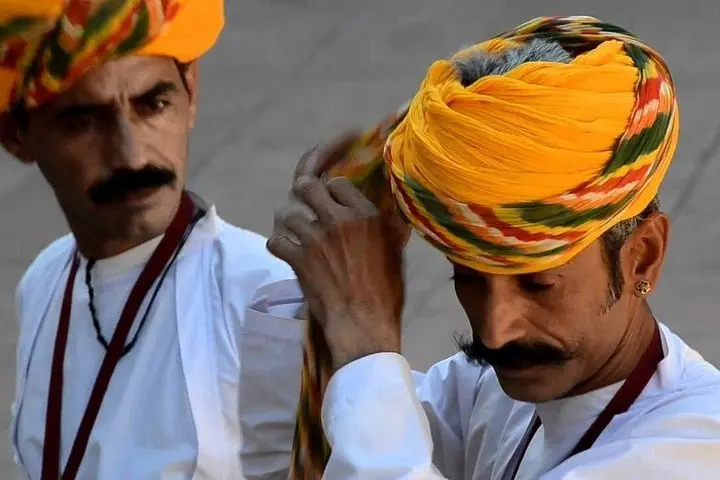
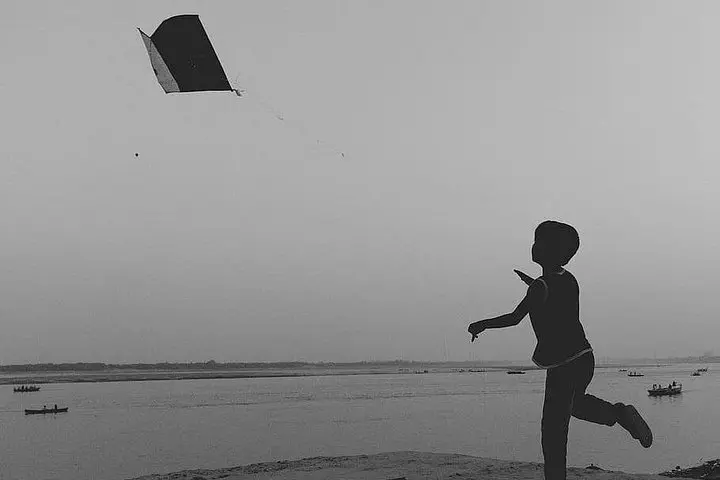
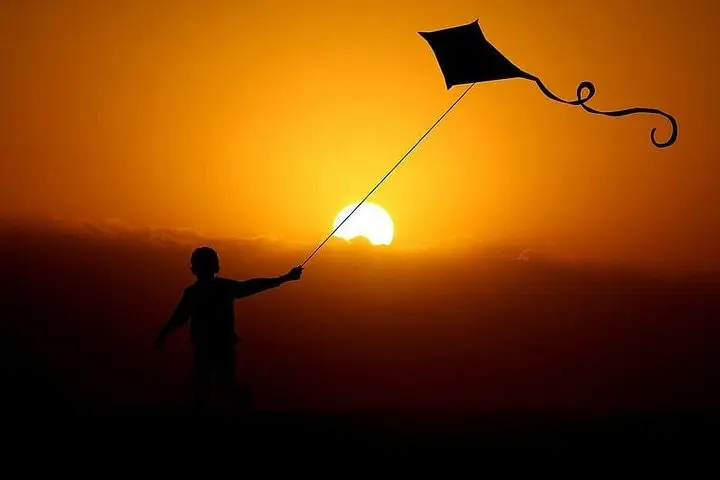
The terrace catches the wind first—pulling at brightly colored kites while the city below hums with horns and temple bells. At Dera Mandawa, a 19th-century mansion converted into a boutique hotel, you stand on a flat stone terrace with string in hand and a turban being wrapped around your head; the wind dares your kite upward and the cloth settles into place like a local's second skin.
Verified experiences and guided adventures in the surrounding area.
Operated by SITA World Tours · Jaipur, Rajasthan
The terrace catches the wind first—pulling at brightly colored kites while the city below hums with horns and temple bells. At Dera Mandawa, a 19th-century mansion converted into a boutique hotel, you stand on a flat stone terrace with string in hand and a turban being wrapped around your head; the wind dares your kite upward and the cloth settles into place like a local's second skin.
Jaipur's kite culture stretches back generations, tied to seasonal festivals and rooftop contests that stretch across Rajasthan. The mansion itself reflects Rajput-era plasterwork and carved wood, a quiet reminder of the city's mercantile and princely past. Geologically the Aravalli foothills shape the breeze pattern here, sending steady thermals in the late afternoon that make terraces ideal for flying.
Culturally, turban tying is practical and emblematic—colors, folds and styles signal region and celebration. The session pairs hands-on instruction with simple etiquette: how to hold the spool, how to let line slip, and how to bow out when a neighbour’s thread crosses yours. Afterwards, tea and light refreshments ground the experience in local hospitality.
Practical guidance: wear comfortable, flat-soled shoes for terrace surfaces, bring sun protection, and ask for a short safety demo before handling the spool—strings can cut if mishandled. The activity lasts about 2–3 hours, includes hotel pick-up, bottled water and a turban to take home, and suits travelers who can stand and move on uneven stone terraces for short periods. Ideal in cooler months; avoid midday summer heat.
This is a low-impact, high-immediacy cultural outing—an easy way to taste Jaipur from a rooftop vantage point.
No—an English‑speaking instructor provides basic coaching suitable for beginners.
Yes, the experience includes turbans or scarves that you can take home as a souvenir.
Private air‑conditioned pickup and drop‑off from central Jaipur hotels is included in the tour price.
Children under 15 must be accompanied by an adult; not recommended for pregnant travelers or those with serious back or heart conditions.
SITA World Tours operates guided outdoor trips and adventures with an emphasis on safety, stewardship, and memorable experiences.
The terrace catches the wind first—pulling at brightly colored kites while the city below hums with horns and temple bells. At Dera Mandawa, a 19th-century mansion converted into a boutique hotel, you stand on a flat stone terrace with string in hand and a turban being wrapped around your head; the wind dares your kite upward and the cloth settles into place like a local's second skin.
The terrace catches the wind first—pulling at brightly colored kites while the city below hums with horns and temple bells. At Dera Mandawa, a 19th-century mansion converted into a boutique hotel, you stand on a flat stone terrace with string in hand and a turban being wrapped around your head; the wind dares your kite upward and the cloth settles into place like a local's second skin.
Jaipur's kite culture stretches back generations, tied to seasonal festivals and rooftop contests that stretch across Rajasthan. The mansion itself reflects Rajput-era plasterwork and carved wood, a quiet reminder of the city's mercantile and princely past. Geologically the Aravalli foothills shape the breeze pattern here, sending steady thermals in the late afternoon that make terraces ideal for flying.
Culturally, turban tying is practical and emblematic—colors, folds and styles signal region and celebration. The session pairs hands-on instruction with simple etiquette: how to hold the spool, how to let line slip, and how to bow out when a neighbour’s thread crosses yours. Afterwards, tea and light refreshments ground the experience in local hospitality.
Practical guidance: wear comfortable, flat-soled shoes for terrace surfaces, bring sun protection, and ask for a short safety demo before handling the spool—strings can cut if mishandled. The activity lasts about 2–3 hours, includes hotel pick-up, bottled water and a turban to take home, and suits travelers who can stand and move on uneven stone terraces for short periods. Ideal in cooler months; avoid midday summer heat.
This is a low-impact, high-immediacy cultural outing—an easy way to taste Jaipur from a rooftop vantage point.