THE ADVENTURE COLLECTIVE® · Independent discovery and booking for outdoor travel

A focused, 90-minute walking tour in Kittery that brings to light the lives of enslaved and free African Americans who shaped this coastal town. Led by Sankofa Scholars & Tour Guides—perfect for visitors who want a socially aware, place-based history experience.
A focused, 90-minute walking tour in Kittery that brings to light the lives of enslaved and free African Americans who shaped this coastal town. Led by Sankofa Scholars & Tour Guides—perfect for visitors who want a socially aware, place-based history experience.
Book with Black Heritage Trail of New Hampshire
Verified experiences and guided adventures in the surrounding area.
Operated by Black Heritage Trail of New Hampshire · Kittery, Maine
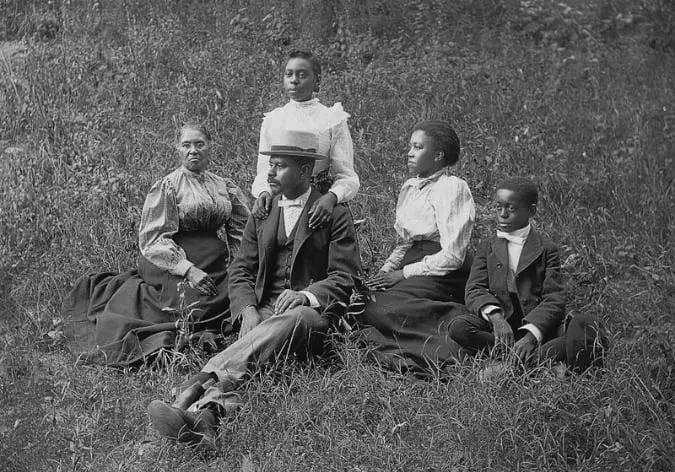
Kittery's Black Yankees is a 90‑minute walking tour in Kittery, Maine, that peels back the overlooked chapters of this Atlantic port town. Led by Sankofa Scholars & Tour Guides: Wanda Dorlean and Erika Varga, this small-group experience traces the lives of enslaved and free African Americans who lived and worked along the Piscataqua River, shaping community networks from colonial times through the modern era.
The tour begins near the town office and moves through the maritime edges of Kittery: narrow lanes, weathered clapboard homes, working wharves and the granite tidal ledges that mark southern Maine’s coastline. Guides stitch archival records, family stories and physical landmarks into a grounded narrative. Listeners will hear how individuals navigated shipbuilding neighborhoods, waterfront trades, and mutual-aid practices that sustained early Black residents often written out of New England history.
What makes this offering exceptional is its focus—rather than a generic town history, it centers African American lives and labor as essential to Kittery’s development. Wanda Dorlean and Erika Varga bring scholarship and local knowledge, using primary documents and careful reading of places where names and stories are rarely visible on plaques. The experience is intimate: group sizes are limited (around 20 people), and the pace is manageable for most walkers.
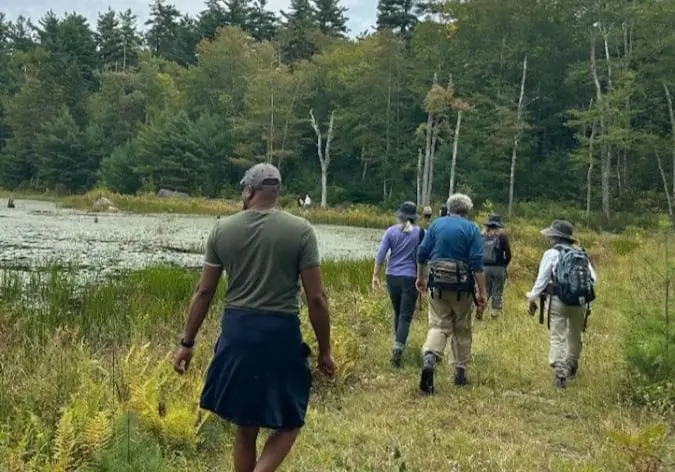
Expect authentic, sometimes difficult, material presented with respect and clarity. The landscape itself is part of the story: granite outcrops, salt marsh edges and the rhythmic tides of the Piscataqua remind visitors how geography and maritime economy shaped settlement patterns. You may pass small, understated grave markers and lanes that hold memory in their stones; guides will point out architectural details and maritime features that illuminate daily life across centuries.
Guides tailor narration to the group: students, family groups, and history buffs will find material that connects census records, ship manifests and oral histories to the street-level evidence you can observe. Because the tour stops at working waterfronts and near fragile grave markers, the guides emphasize respect for private property and conservation — photographs are welcome but leave artifacts untouched. Bring a notebook if you want to record names and dates; the storytelling often reveals leads to further research at local archives and libraries. Reservations are recommended for weekends.
The tour is 90 minutes long and moves at a steady walking pace through town.
Check-in is at the tour office; please arrive 10 minutes before the 2 p.m. departure or your spot may be given away.
The route includes sidewalks and some uneven surfaces; contact the operator ahead of time to discuss specific accessibility needs.
All ticket sales are final and non-refundable. If the operator cancels due to unsafe weather or guide illness they will attempt to reschedule or issue a refund if rebooking isn't possible.
Groups are limited to about 20 participants to maintain intimacy and allow for neighborhood navigation.
Yes—headline says all ages welcome—but parents should consider whether the historical material is appropriate for younger children.
Black Heritage Trail of New Hampshire preserves and presents the state’s African American history through guided walking and bus tours based in Portsmouth and extending to Manchester, Milford, Dover, Warner, and other New Hampshire towns. The organization offers a diverse program of tours that examine enslaved and free Black residents, abolitionists, wartime service, literary pioneers, Black entrepreneurship, and the networks that sustained communities during segregation. Tours include explorations of Ona Judge’s escape from slavery, Harriet E. Wilson’s life and legacy, Prince Whipple’s activism, Portsmouth’s soldiers from the Revolution to Vietnam, the Green Book sites that offered refuge, and local efforts toward economic autonomy. Each itinerary follows historic streets and landmark sites, combining on-site interpretation with mapped routes to connect visitors to archival stories and physical places. The approach foregrounds primary stories from the 18th century through the Civil Rights era and into contemporary memory, highlighting resilience, resistance, and community-building. Travelers can choose shorter walking routes in Portsmouth or longer bus tours to Manchester and Milford to match interest and accessibility needs. Black Heritage Trail of New Hampshire serves students, historians, families, and visitors seeking informed, place-based learning about Black history in New England. By focusing on documented local narratives and on-the-ground interpretation, the organization provides reliable, research-informed experiences that make complex histories accessible and memorable. Tours suit students, researchers, family groups, and visitors seeking guided historical interpretation of Black lives in New Hampshire, and can serve as educational experiences for school groups and community programs interested in regional Black heritage.

Book with Black Heritage Trail of New Hampshire