THE ADVENTURE COLLECTIVE® · Independent discovery and booking for outdoor travel

White-water on the Kelani River meets steep rainforest slopes and wartime history at Kitulgala. This compact day-excursion mixes Class II–III rapids, jungle walks and local culture—here’s what to expect and how to prepare.
White-water on the Kelani River meets steep rainforest slopes and wartime history at Kitulgala. This compact day-excursion mixes Class II–III rapids, jungle walks and local culture—here’s what to expect and how to prepare.
A morning on the Kelani River begins with the hiss of water against an inflatable hull and rainforest slopes rising like a green wall. In Kitulgala the river dares you forward—brown, fast, and framed by palms and rubber plantations—while the forest answers with bird calls and the occasional monkey on the bank.
Verified experiences and guided adventures in the surrounding area.
Operated by Classic Destinations · Kitulgala, Sabaragamuwa Province
A morning on the Kelani River begins with the hiss of water against an inflatable hull and rainforest slopes rising like a green wall. In Kitulgala the river dares you forward—brown, fast, and framed by palms and rubber plantations—while the forest answers with bird calls and the occasional monkey on the bank.
The area is known for adventurous white-water rafting and for its cinematic and wartime footnotes: Kitulgala hosted location shoots for major films and was used for British commando training during World War II. Geologically the valley follows a river incision into ancient Precambrian rocks; the steep banks channel sudden flows during monsoon months. Local villages are small, with tea, rubber and coconut groves shaping the cultural landscape and the hospitality you’ll meet at the launch point.
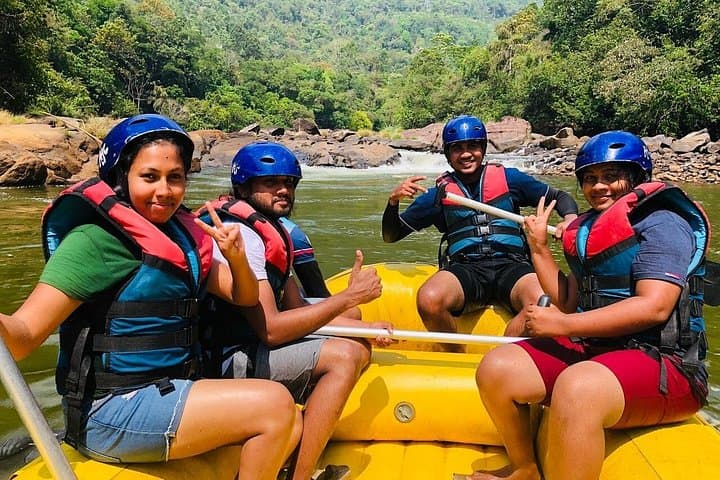
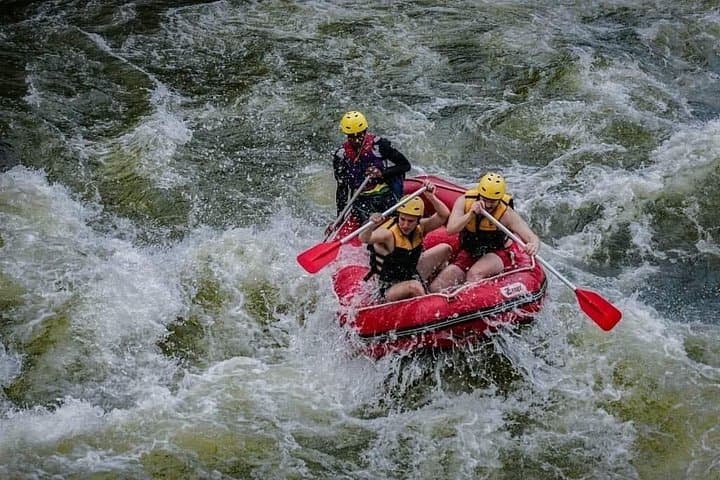
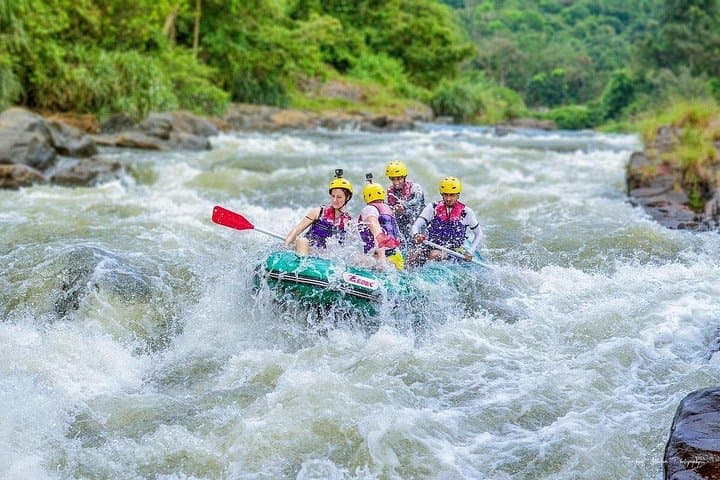
Expect guided rafting runs that range from easy to moderate (typically Class II–III depending on season), short jungle walks, and a lunch offering Sri Lankan staples. Operators usually supply helmets, life jackets and paddles; you should be prepared to swim if tossed from the raft and to move on uneven, slippery riverbanks.
Practical tips: travel time from Kandy or Colombo can be 90–180 minutes depending on traffic; book operators who include safety briefings; wear secure water shoes and quick-dry clothing; bring a dry bag for electronics. Peak water levels bring bigger rapids but also greater risk—follow guides and check cancellation policies during monsoon windows.
Yes—many operators run beginner-friendly Class II–III trips with guided instruction, but you should be comfortable following commands and have basic swimming ability.
Dry or shoulder months (roughly Jan–Apr) offer more predictable, lower flows; monsoon months increase excitement but also risk and possible cancellations.
Most reputable operators include helmets, life jackets and briefings; confirm equipment and guide ratios when booking.
Policies vary; many operators allow older children who can swim and follow instructions, but infants are typically not permitted—check age limits when booking.
Classic Destinations operates guided outdoor trips and adventures with an emphasis on safety, stewardship, and memorable experiences.
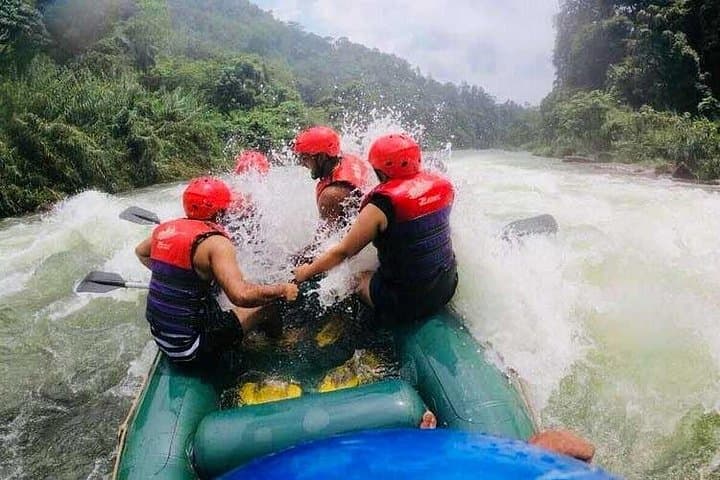
A morning on the Kelani River begins with the hiss of water against an inflatable hull and rainforest slopes rising like a green wall. In Kitulgala the river dares you forward—brown, fast, and framed by palms and rubber plantations—while the forest answers with bird calls and the occasional monkey on the bank.
A morning on the Kelani River begins with the hiss of water against an inflatable hull and rainforest slopes rising like a green wall. In Kitulgala the river dares you forward—brown, fast, and framed by palms and rubber plantations—while the forest answers with bird calls and the occasional monkey on the bank.
The area is known for adventurous white-water rafting and for its cinematic and wartime footnotes: Kitulgala hosted location shoots for major films and was used for British commando training during World War II. Geologically the valley follows a river incision into ancient Precambrian rocks; the steep banks channel sudden flows during monsoon months. Local villages are small, with tea, rubber and coconut groves shaping the cultural landscape and the hospitality you’ll meet at the launch point.
Expect guided rafting runs that range from easy to moderate (typically Class II–III depending on season), short jungle walks, and a lunch offering Sri Lankan staples. Operators usually supply helmets, life jackets and paddles; you should be prepared to swim if tossed from the raft and to move on uneven, slippery riverbanks.
Practical tips: travel time from Kandy or Colombo can be 90–180 minutes depending on traffic; book operators who include safety briefings; wear secure water shoes and quick-dry clothing; bring a dry bag for electronics. Peak water levels bring bigger rapids but also greater risk—follow guides and check cancellation policies during monsoon windows.