THE ADVENTURE COLLECTIVE® · Independent discovery and booking for outdoor travel

A three-hour private dolphin tour out of Kizimkazi offers calm, guided wildlife viewing with the option to swim when conditions allow. Local guides prioritize respectful encounters, safety, and a relaxed pace for an authentic ocean experience.
A three-hour private dolphin tour out of Kizimkazi offers calm, guided wildlife viewing with the option to swim when conditions allow. Local guides prioritize respectful encounters, safety, and a relaxed pace for an authentic ocean experience.
Morning light washes the Indian Ocean in pale gold as a low-backed skiff slips from Kizimkazi’s wooden jetty. The water is glassy; gulls wheel and call. Within minutes the shoreline of southern Unguja recedes and the hunt for dolphins becomes a quiet, shared purpose—the sea nudging you forward, the boat moving with practiced calm.
Verified experiences and guided adventures in the surrounding area.
Operated by Riser tours and safaris Zanzibar · Kizimkazi, Zanzibar
Morning light washes the Indian Ocean in pale gold as a low-backed skiff slips from Kizimkazi’s wooden jetty. The water is glassy; gulls wheel and call. Within minutes the shoreline of southern Unguja recedes and the hunt for dolphins becomes a quiet, shared purpose—the sea nudging you forward, the boat moving with practiced calm.
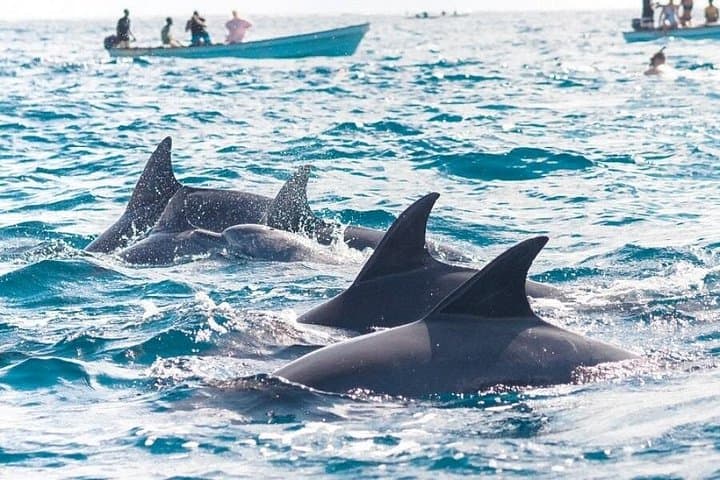
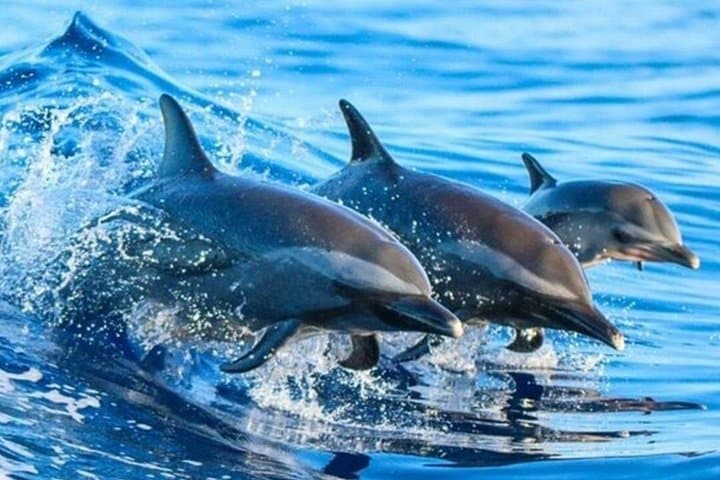
Kizimkazi is a working Swahili fishing village with roots in centuries of coastal trade. Offshore, the seabed alternates between shallow reef flats and deeper channels cut into coral limestone, creating corridors where spinner and bottlenose dolphins travel. Local guides here combine generational knowledge with layered safety practices born from the island’s seafaring history.
Culturally the trip is simple: respectful observation first, interaction only when animals remain undisturbed. The experience often includes short swims or snorkeling in calm conditions; life jackets are provided and guides brief guests on how to approach wild animals without crowding them.
Practically, expect a three-hour window from pickup to return. Plan for early departures to match dolphin feeding patterns and calmer seas. Wear reef-safe sunscreen, a hat, and a light cover-up for the return leg. Bring water in a reusable bottle and a small dry bag for layers and phones.
This is an easy, family-friendly outing that rewards patience and quiet. It’s as much about being present on the water as it is about ticking a wildlife sighting off a list—when dolphins appear, they make the ocean feel observant and alive.
Dolphins are commonly seen in the Kizimkazi area but sightings aren’t guaranteed; guides choose times and locations that increase the likelihood of encounters.
Swimming is possible only when guides judge sea and animal behavior to be safe—interaction is always managed to minimize disturbance to the dolphins.
Yes; the tour is rated easy and life jackets are provided, but children should be supervised and able to board small boats safely.
Tours operate in typical tropical conditions; if conditions are unsafe the operator may reschedule or offer a refund per their cancellation policy.
Riser tours and safaris Zanzibar operates guided outdoor trips and adventures with an emphasis on safety, stewardship, and memorable experiences.


Morning light washes the Indian Ocean in pale gold as a low-backed skiff slips from Kizimkazi’s wooden jetty. The water is glassy; gulls wheel and call. Within minutes the shoreline of southern Unguja recedes and the hunt for dolphins becomes a quiet, shared purpose—the sea nudging you forward, the boat moving with practiced calm.
Morning light washes the Indian Ocean in pale gold as a low-backed skiff slips from Kizimkazi’s wooden jetty. The water is glassy; gulls wheel and call. Within minutes the shoreline of southern Unguja recedes and the hunt for dolphins becomes a quiet, shared purpose—the sea nudging you forward, the boat moving with practiced calm.
Kizimkazi is a working Swahili fishing village with roots in centuries of coastal trade. Offshore, the seabed alternates between shallow reef flats and deeper channels cut into coral limestone, creating corridors where spinner and bottlenose dolphins travel. Local guides here combine generational knowledge with layered safety practices born from the island’s seafaring history.
Culturally the trip is simple: respectful observation first, interaction only when animals remain undisturbed. The experience often includes short swims or snorkeling in calm conditions; life jackets are provided and guides brief guests on how to approach wild animals without crowding them.
Practically, expect a three-hour window from pickup to return. Plan for early departures to match dolphin feeding patterns and calmer seas. Wear reef-safe sunscreen, a hat, and a light cover-up for the return leg. Bring water in a reusable bottle and a small dry bag for layers and phones.
This is an easy, family-friendly outing that rewards patience and quiet. It’s as much about being present on the water as it is about ticking a wildlife sighting off a list—when dolphins appear, they make the ocean feel observant and alive.