THE ADVENTURE COLLECTIVE® · Independent discovery and booking for outdoor travel

Learn Kizomba at Chill Out bar in Santa Maria, Sal Island — an accessible, one-hour group lesson that pairs instruction with Cape Verdean nightlife. Perfect for beginners and travelers who want an active cultural night out.
Learn Kizomba at Chill Out bar in Santa Maria, Sal Island — an accessible, one-hour group lesson that pairs instruction with Cape Verdean nightlife. Perfect for beginners and travelers who want an active cultural night out.
Step off the salt-bright promenade and into Chill Out bar, where warm light and the thud of bass meet the Atlantic breeze that keeps Sal from ever feeling still. The room tightens into a circle, bodies learning to listen as teachers call a rhythm that comes from Angola but has found a comfortable home in Cape Verde’s port towns.
Verified experiences and guided adventures in the surrounding area.
Operated by Ilhadosaltours · Santa Maria, Sal
Step off the salt-bright promenade and into Chill Out bar, where warm light and the thud of bass meet the Atlantic breeze that keeps Sal from ever feeling still. The room tightens into a circle, bodies learning to listen as teachers call a rhythm that comes from Angola but has found a comfortable home in Cape Verde’s port towns.
Kizomba arrived in West Africa in the late 20th century as a slower, intimate counterpoint to faster lusophone dances. On Sal, a history of maritime trade and cultural exchange means steps here often carry small local flourishes — a hip tilt, a breath of Cape Verdean timing. Geology and geography play a quiet role: the island’s flat, wind-cut landscape funnels constant trade winds toward the coast, so evenings tend to be airy and cool, perfect for moving without overheating.
Expect clear, practical teaching: basic embrace, weight changes, and simple turns practiced in groups, with teachers demonstrating and then guiding partners through repetition. Classes cater to all levels; tourists and locals mix easily. Bring cash for drinks, wear shoes you can pivot in, and arrive a little early to watch the social dance that follows instruction.
Practical notes: the lesson runs about an hour, is wheelchair accessible, and works well as a cultural evening that connects travelers to local music and nightlife. Whether you want to learn steps or simply feel the rhythm, this session is an accessible way into Cape Verdean social life, where the sea keeps time and the dance keeps you moving.
No — group lessons typically rotate partners and pair singles with others or with instructors so everyone practices both roles.
No — classes are designed for all abilities, starting from basic embrace and simple weight changes.
Instruction is often in English and Portuguese; teachers commonly adapt to the group’s language needs.
Yes — the listing indicates wheelchair-accessible surfaces and transportation options nearby.
Ilhadosaltours operates guided outdoor trips and adventures with an emphasis on safety, stewardship, and memorable experiences.


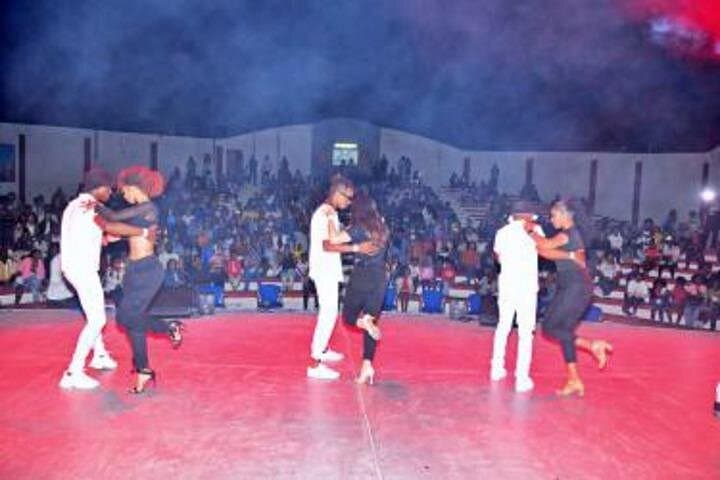
Step off the salt-bright promenade and into Chill Out bar, where warm light and the thud of bass meet the Atlantic breeze that keeps Sal from ever feeling still. The room tightens into a circle, bodies learning to listen as teachers call a rhythm that comes from Angola but has found a comfortable home in Cape Verde’s port towns.
Step off the salt-bright promenade and into Chill Out bar, where warm light and the thud of bass meet the Atlantic breeze that keeps Sal from ever feeling still. The room tightens into a circle, bodies learning to listen as teachers call a rhythm that comes from Angola but has found a comfortable home in Cape Verde’s port towns.
Kizomba arrived in West Africa in the late 20th century as a slower, intimate counterpoint to faster lusophone dances. On Sal, a history of maritime trade and cultural exchange means steps here often carry small local flourishes — a hip tilt, a breath of Cape Verdean timing. Geology and geography play a quiet role: the island’s flat, wind-cut landscape funnels constant trade winds toward the coast, so evenings tend to be airy and cool, perfect for moving without overheating.
Expect clear, practical teaching: basic embrace, weight changes, and simple turns practiced in groups, with teachers demonstrating and then guiding partners through repetition. Classes cater to all levels; tourists and locals mix easily. Bring cash for drinks, wear shoes you can pivot in, and arrive a little early to watch the social dance that follows instruction.
Practical notes: the lesson runs about an hour, is wheelchair accessible, and works well as a cultural evening that connects travelers to local music and nightlife. Whether you want to learn steps or simply feel the rhythm, this session is an accessible way into Cape Verdean social life, where the sea keeps time and the dance keeps you moving.