THE ADVENTURE COLLECTIVE® · Independent discovery and booking for outdoor travel

Glide through the Klias Wetland Reserve to watch proboscis monkeys feed in mangrove crowns and see thousands of fireflies flicker after dark. This full-day river cruise pairs wildlife viewing with a local buffet and an evening firefly display.
Glide through the Klias Wetland Reserve to watch proboscis monkeys feed in mangrove crowns and see thousands of fireflies flicker after dark. This full-day river cruise pairs wildlife viewing with a local buffet and an evening firefly display.
The boat nose parts the river like a page being turned; mangrove roots reach down and the water answers, carrying you deeper into the Klias Wetland Reserve. Afternoon heat softens into amber as villages and paddy fields slip away and the river becomes a corridor for birds, monkeys and the slow, watchful glide of crocodiles.
Verified experiences and guided adventures in the surrounding area.
Operated by Asian Trails LTD · Beaufort, Sabah
The boat nose parts the river like a page being turned; mangrove roots reach down and the water answers, carrying you deeper into the Klias Wetland Reserve. Afternoon heat softens into amber as villages and paddy fields slip away and the river becomes a corridor for birds, monkeys and the slow, watchful glide of crocodiles.
The Klias wetlands are low-lying peat and alluvial deposits where tidal forces sculpt channels through grey mangroves and nipah palms. This stretch of Sabah has long supported coastal communities who fished and harvested mollusks here; more recently, sections were set aside for conservation as logging and agriculture threatened specialist species like the proboscis monkey. The reserve is both a natural nursery and a cultural landscape—local guides often point out kampung life and explain how tides dictate daily routines.
On this full-day outing expect a measured rhythm: a mid-afternoon drive from Kota Kinabalu, a riverside boarding, wildlife watching in the cool late afternoon, a riverside or local-restaurant buffet, then a short evening cruise to see fireflies stitch the mangrove canopy with blinking light. Guides work to minimize disturbance—quiet motors, dim lights—and animals respond by emerging in plain view.
Practicalities: wear closed walking shoes for jetties and uneven paths, bring insect repellent and a light rain layer, and keep camera settings ready for low-light shots. Nighttime firefly viewing is best on calm, moonless nights—heavy rain reduces visibility. The tour is low-impact and suitable for most fitness levels but involves small-boat boarding and unpaved approaches, so plan accordingly.
Typical door-to-door time is about 6–8 hours including transfers, a river cruise, and dinner; the on-river portion runs roughly 2–3 hours.
Both are commonly seen but wildlife sightings are never guaranteed; calm evenings improve firefly visibility and late afternoon increases the chance to spot monkeys.
Yes—this tour is rated easy. However, note small-boat boarding, unpaved areas and late return times; infants should sit on laps as required.
Operators may alter or cancel river segments in heavy rain for safety; strong winds and high tides can limit visibility of fireflies.
Asian Trails LTD operates guided outdoor trips and adventures with an emphasis on safety, stewardship, and memorable experiences.
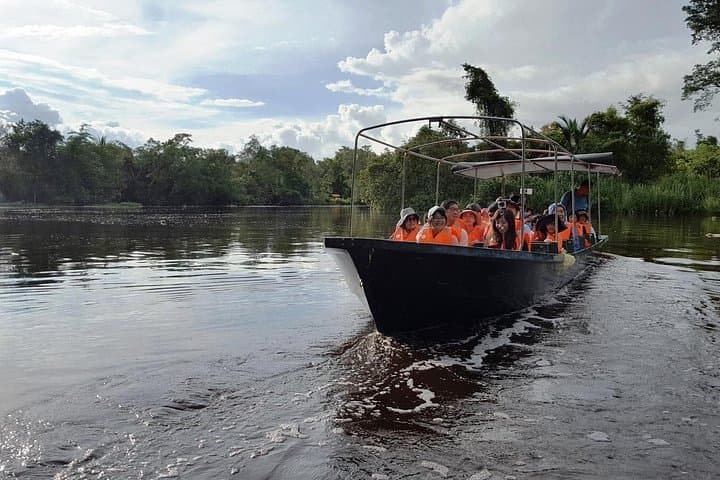
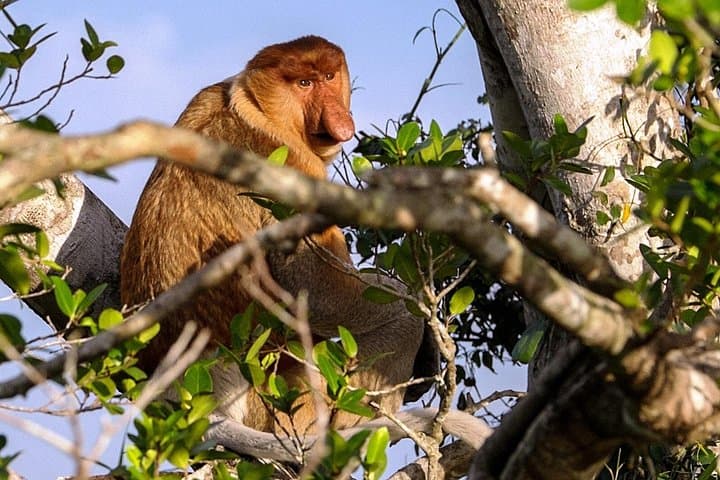
The boat nose parts the river like a page being turned; mangrove roots reach down and the water answers, carrying you deeper into the Klias Wetland Reserve. Afternoon heat softens into amber as villages and paddy fields slip away and the river becomes a corridor for birds, monkeys and the slow, watchful glide of crocodiles.
The boat nose parts the river like a page being turned; mangrove roots reach down and the water answers, carrying you deeper into the Klias Wetland Reserve. Afternoon heat softens into amber as villages and paddy fields slip away and the river becomes a corridor for birds, monkeys and the slow, watchful glide of crocodiles.
The Klias wetlands are low-lying peat and alluvial deposits where tidal forces sculpt channels through grey mangroves and nipah palms. This stretch of Sabah has long supported coastal communities who fished and harvested mollusks here; more recently, sections were set aside for conservation as logging and agriculture threatened specialist species like the proboscis monkey. The reserve is both a natural nursery and a cultural landscape—local guides often point out kampung life and explain how tides dictate daily routines.
On this full-day outing expect a measured rhythm: a mid-afternoon drive from Kota Kinabalu, a riverside boarding, wildlife watching in the cool late afternoon, a riverside or local-restaurant buffet, then a short evening cruise to see fireflies stitch the mangrove canopy with blinking light. Guides work to minimize disturbance—quiet motors, dim lights—and animals respond by emerging in plain view.
Practicalities: wear closed walking shoes for jetties and uneven paths, bring insect repellent and a light rain layer, and keep camera settings ready for low-light shots. Nighttime firefly viewing is best on calm, moonless nights—heavy rain reduces visibility. The tour is low-impact and suitable for most fitness levels but involves small-boat boarding and unpaved approaches, so plan accordingly.