THE ADVENTURE COLLECTIVE® · Independent discovery and booking for outdoor travel

Explore Klis Fortress — a steep, cinematic stronghold — then descend into Poljica country for a hands-on soparnik tasting and local wine. This five-hour tour mixes history, karst landscapes and authentic Dalmatian flavors.
Explore Klis Fortress — a steep, cinematic stronghold — then descend into Poljica country for a hands-on soparnik tasting and local wine. This five-hour tour mixes history, karst landscapes and authentic Dalmatian flavors.
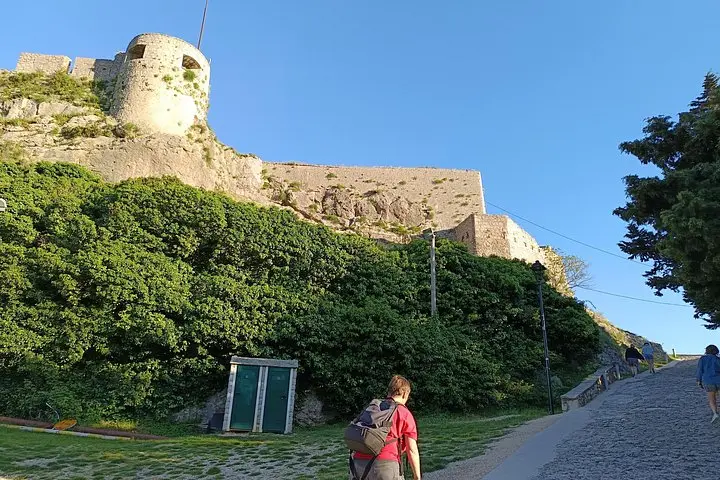
You climb a narrow stone stair, the sea and Split’s red roofs unfolding below you. Wind whips across an ancient ridge where Klis Fortress perches between the Mosor and Kozjak massifs, its battered walls still reading like a map of conflict and film sets — small squares of dragon lore meet real battlements.
Verified experiences and guided adventures in the surrounding area.
Operated by My Split Tours - travel agency · Klis, Split-Dalmatia County
You climb a narrow stone stair, the sea and Split’s red roofs unfolding below you. Wind whips across an ancient ridge where Klis Fortress perches between the Mosor and Kozjak massifs, its battered walls still reading like a map of conflict and film sets — small squares of dragon lore meet real battlements.
The fortress guarded the coastal pass for centuries; its museum traces local defenders, including references to Uskok fighters and the long, uneasy frontier with Ottoman forces. From Klis you’ll drive to the Poljica area and the village of Gata, where the curious political experiment of the Poljica Republic is preserved in a small museum. The route threads karst geology and terraced farmland, dropping into the Cetina canyon’s folded limestone and scrub — the land shaped by stone and sparse water.
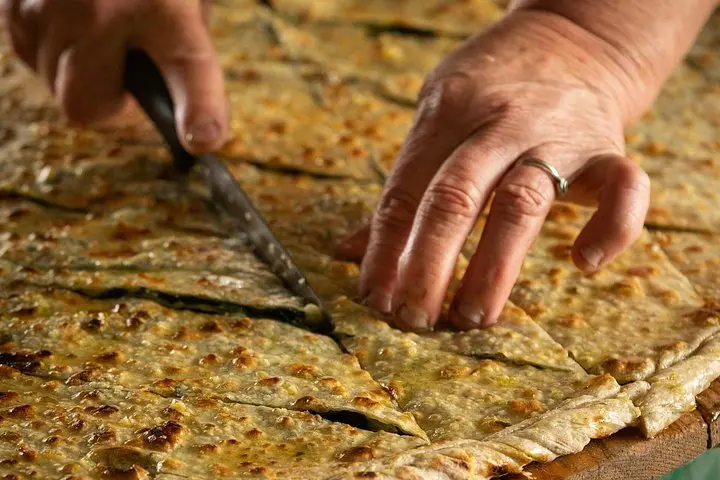
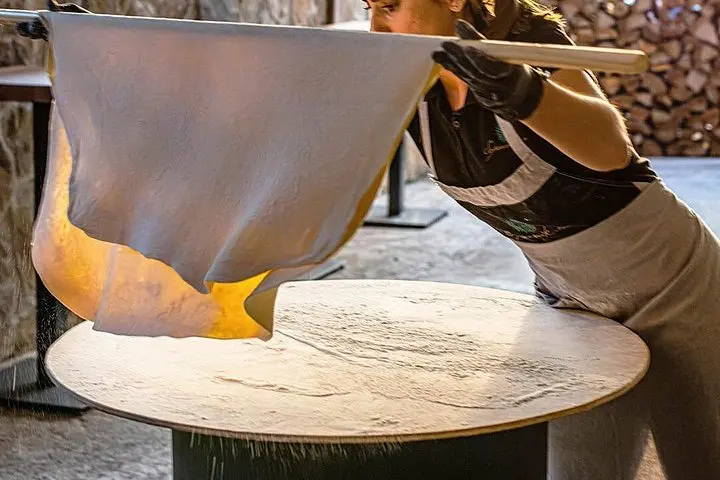
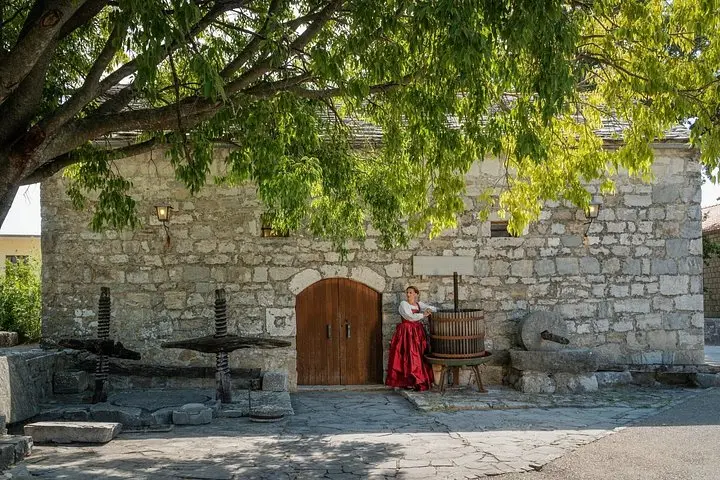
Culinary history anchors the afternoon: a family konoba in Tugare demonstrates soparnik, a thin chard-and-dough pie that locals still cut from the center and serve with a bučara of wine; soparnik appears on Croatia’s list of protected intangible heritage. Expect stone floors, cobbled lanes, short stair climbs and wide coastal views.
Practical side: this is a five-hour shared tour with guided visits and tastings; museum and fortress entry plus local food and wine are included. Wear sturdy, grippy shoes for uneven steps, carry refillable water, and time the trip for morning starts in summer to avoid midday heat. Bring a camera and a small jacket for breezy ridge-top conditions.
Yes; the tour includes tickets to the fortress and the local Poljica museum as part of the itinerary.
Soparnik is a vegetable-based dish served with wine; notify dietary restrictions when booking so hosts can accommodate where possible.
Pickup/transfer options are often offered; the booking requests pickup and transfer details — confirm your exact pickup point when you reserve.
The tour involves stairs and uneven surfaces and is not recommended for travelers with serious spinal or mobility problems; note this when booking.
My Split Tours - travel agency operates guided outdoor trips and adventures with an emphasis on safety, stewardship, and memorable experiences.
You climb a narrow stone stair, the sea and Split’s red roofs unfolding below you. Wind whips across an ancient ridge where Klis Fortress perches between the Mosor and Kozjak massifs, its battered walls still reading like a map of conflict and film sets — small squares of dragon lore meet real battlements.
You climb a narrow stone stair, the sea and Split’s red roofs unfolding below you. Wind whips across an ancient ridge where Klis Fortress perches between the Mosor and Kozjak massifs, its battered walls still reading like a map of conflict and film sets — small squares of dragon lore meet real battlements.
The fortress guarded the coastal pass for centuries; its museum traces local defenders, including references to Uskok fighters and the long, uneasy frontier with Ottoman forces. From Klis you’ll drive to the Poljica area and the village of Gata, where the curious political experiment of the Poljica Republic is preserved in a small museum. The route threads karst geology and terraced farmland, dropping into the Cetina canyon’s folded limestone and scrub — the land shaped by stone and sparse water.
Culinary history anchors the afternoon: a family konoba in Tugare demonstrates soparnik, a thin chard-and-dough pie that locals still cut from the center and serve with a bučara of wine; soparnik appears on Croatia’s list of protected intangible heritage. Expect stone floors, cobbled lanes, short stair climbs and wide coastal views.
Practical side: this is a five-hour shared tour with guided visits and tastings; museum and fortress entry plus local food and wine are included. Wear sturdy, grippy shoes for uneven steps, carry refillable water, and time the trip for morning starts in summer to avoid midday heat. Bring a camera and a small jacket for breezy ridge-top conditions.