THE ADVENTURE COLLECTIVE® · Independent discovery and booking for outdoor travel

Spend a full day moving from the ruins of Knossos to small family farms for olive oil, wine and raki tastings, finishing with a traditional lunch in Elia village. Expect archaeology, hands-on food craft, and slow Cretan hospitality.
Spend a full day moving from the ruins of Knossos to small family farms for olive oil, wine and raki tastings, finishing with a traditional lunch in Elia village. Expect archaeology, hands-on food craft, and slow Cretan hospitality.
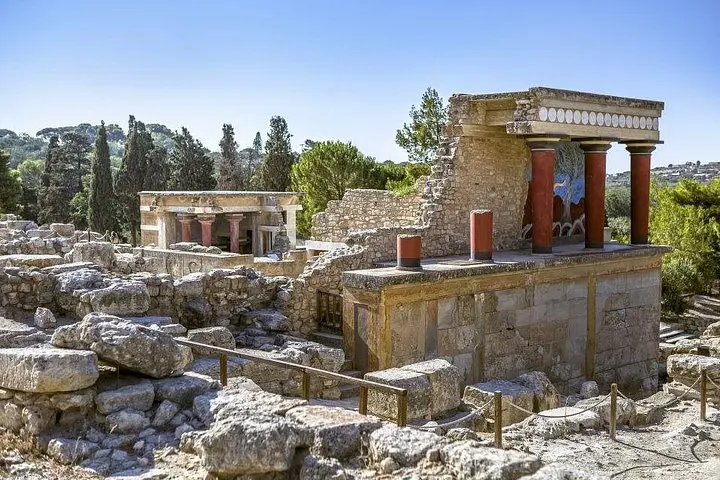
You arrive on a sun-warmed road where the columns of Knossos rise like fragments of a long conversation between stone and sea. Light falls across restored frescoes; guides and travelers move through sunlit courtyards while nearby olive trees throw a cool shade and the first hints of vineyard scent ride the breeze.
Verified experiences and guided adventures in the surrounding area.
Operated by LocalTrips4U "Experience True Crete" · Heraklion, Crete
You arrive on a sun-warmed road where the columns of Knossos rise like fragments of a long conversation between stone and sea. Light falls across restored frescoes; guides and travelers move through sunlit courtyards while nearby olive trees throw a cool shade and the first hints of vineyard scent ride the breeze.
This is a day that stitches archaeology to everyday craft. Knossos, center of the Minoan world from roughly 2000–1400 BCE, reveals advanced masonry, ceremonial rooms, and the fragments of myth—the labyrinth and the Minotaur—that shaped later Greek identity. Geologically, Crete’s mix of limestone and schist has produced terraced slopes and rich soils that have fed olives and grapevines for millennia.
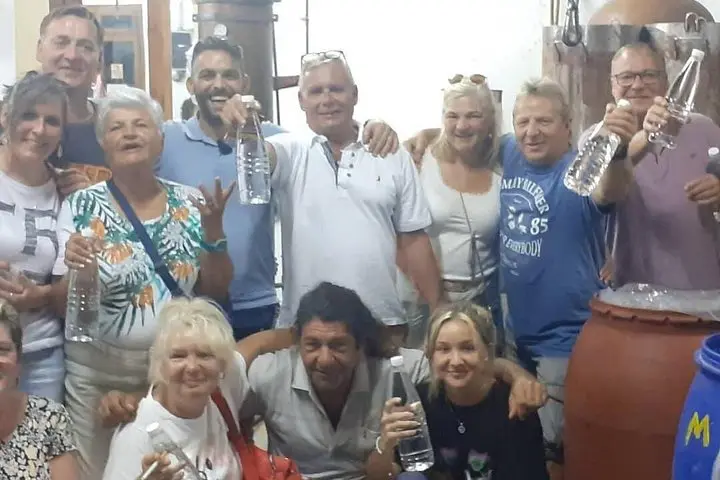
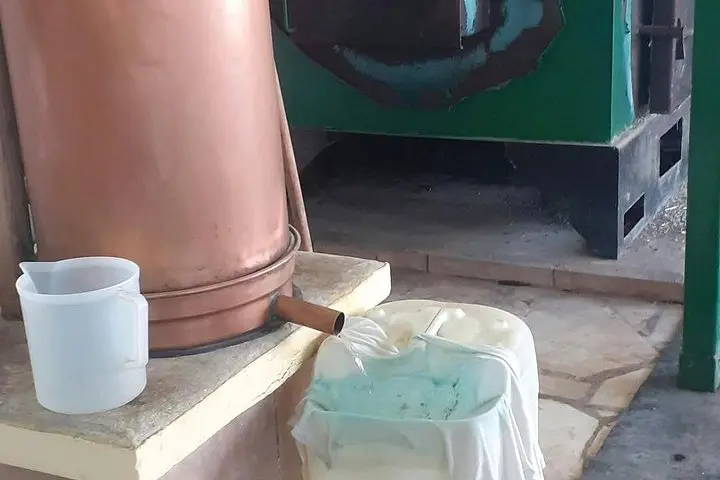
Culture here is practical and communal: family olive groves press oil the old way, cellar cellars cradle local varieties like Vidiano and Vilana, and distillers still warm copper pots to make tsikoudia (raki). Villages like Elia keep gastronomy local—meals arrive slowly and deliberately, a deliberate counterpoint to the morning’s ruins.
Practical guidance: Knossos entrance (~€20) is not included—buy tickets or arrive early to avoid queues. The day involves short walks on uneven surfaces; good walking shoes and sun protection are essential. Expect tastings at small farms—ask about allergens and transport any bottled purchases securely.
This itinerary blends history, terroir, and human scale: plan for a full 7–8 hour day, bring a reusable water bottle and a camera, and leave a little extra time to linger over a glass at the winery table.
No—entrance tickets (~€20) are not included; you can buy them onsite or online prior to your visit.
Expect light walking with some uneven surfaces and steps; the tour is suitable for most people but requires basic mobility.
Yes—many Cretan dishes, cheeses, and breads are vegetarian-friendly; notify the operator in advance for specific dietary needs.
Tastings are small, but if you plan to drive later, moderate alcohol intake and check local limits; drivers should abstain where possible.
LocalTrips4U "Experience True Crete" operates guided outdoor trips and adventures with an emphasis on safety, stewardship, and memorable experiences.

You arrive on a sun-warmed road where the columns of Knossos rise like fragments of a long conversation between stone and sea. Light falls across restored frescoes; guides and travelers move through sunlit courtyards while nearby olive trees throw a cool shade and the first hints of vineyard scent ride the breeze.
You arrive on a sun-warmed road where the columns of Knossos rise like fragments of a long conversation between stone and sea. Light falls across restored frescoes; guides and travelers move through sunlit courtyards while nearby olive trees throw a cool shade and the first hints of vineyard scent ride the breeze.
This is a day that stitches archaeology to everyday craft. Knossos, center of the Minoan world from roughly 2000–1400 BCE, reveals advanced masonry, ceremonial rooms, and the fragments of myth—the labyrinth and the Minotaur—that shaped later Greek identity. Geologically, Crete’s mix of limestone and schist has produced terraced slopes and rich soils that have fed olives and grapevines for millennia.
Culture here is practical and communal: family olive groves press oil the old way, cellar cellars cradle local varieties like Vidiano and Vilana, and distillers still warm copper pots to make tsikoudia (raki). Villages like Elia keep gastronomy local—meals arrive slowly and deliberately, a deliberate counterpoint to the morning’s ruins.
Practical guidance: Knossos entrance (~€20) is not included—buy tickets or arrive early to avoid queues. The day involves short walks on uneven surfaces; good walking shoes and sun protection are essential. Expect tastings at small farms—ask about allergens and transport any bottled purchases securely.
This itinerary blends history, terroir, and human scale: plan for a full 7–8 hour day, bring a reusable water bottle and a camera, and leave a little extra time to linger over a glass at the winery table.