THE ADVENTURE COLLECTIVE® · Independent discovery and booking for outdoor travel

Explore Knossos then trace Crete’s food traditions—olive grove tours, family winery tastings and a raki distillery visit—finished with a traditional four‑course lunch in Archanes. This full‑day 4WD tour pairs archaeology with hands‑on tastings.
Explore Knossos then trace Crete’s food traditions—olive grove tours, family winery tastings and a raki distillery visit—finished with a traditional four‑course lunch in Archanes. This full‑day 4WD tour pairs archaeology with hands‑on tastings.
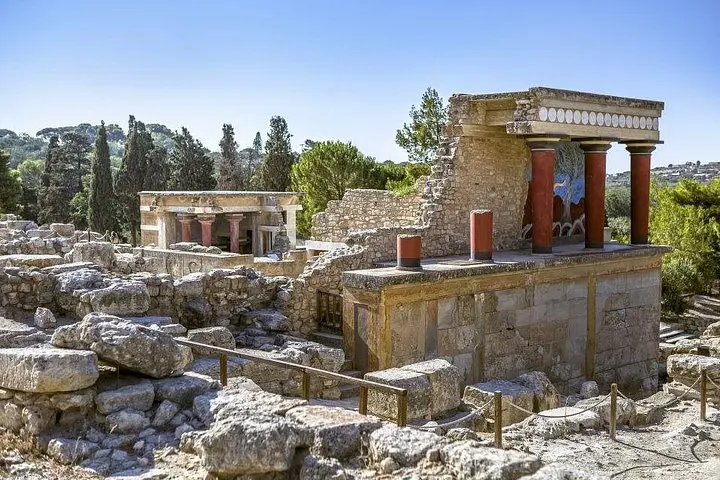
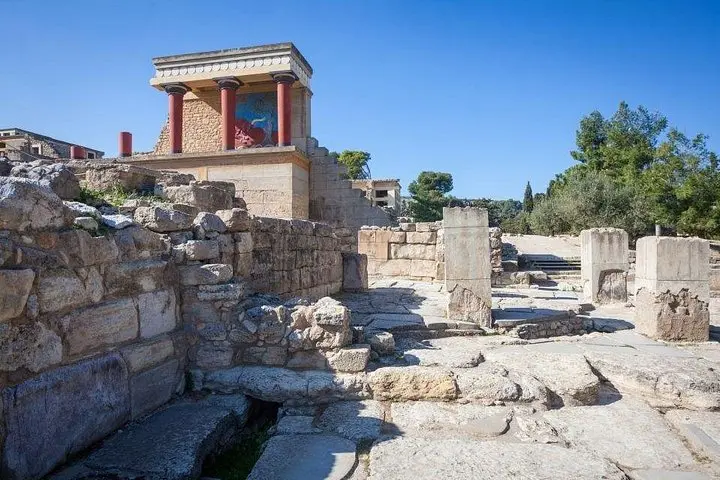
Morning light hits the pale stones of Knossos and the air smells faintly of thyme and warm earth. Guests step from an air‑conditioned 4WD into a landscape where Bronze Age walls give way to olive groves and terraced fields. The tour moves at a deliberate pace: archaeology first, then the agricultural and craft traditions that have shaped central Crete for millennia.
Verified experiences and guided adventures in the surrounding area.
Operated by Heraklion Wine Tours · Heraklion, Crete
Morning light hits the pale stones of Knossos and the air smells faintly of thyme and warm earth. Guests step from an air‑conditioned 4WD into a landscape where Bronze Age walls give way to olive groves and terraced fields. The tour moves at a deliberate pace: archaeology first, then the agricultural and craft traditions that have shaped central Crete for millennia.
Knossos is the island’s largest Minoan palace complex, excavated and partially restored in the early 20th century; its ruins frame a civilization that influenced Aegean trade and ritual life. Geologically the area is limestone on folded strata, with nearby Juktas and Ida massifs rising to catch winter rains—water that feeds the groves below. In the villages around Heraklion, wine and olive oil are cultural languages: family wineries age wine in oak, and distillers refine raki with the same hands that prune olive trees.
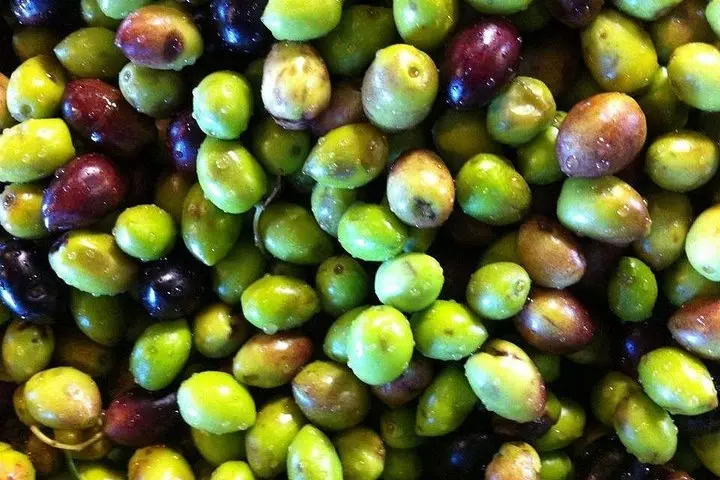
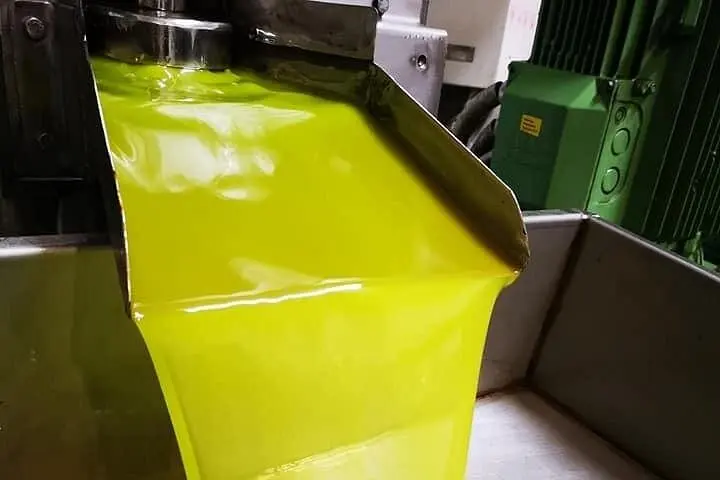
Expect guided cellar tours, tastings of indigenous grape varieties, a walk among gnarled olive trunks with a mill demonstration, and a visit to a small raki distillery where you can taste straight from barrels and even wax‑seal your own bottle. Lunch in Archanes is a four‑course lesson in Cretan cuisine—seasonal vegetables, sheep’s cheese, local bread and wine.
Practical notes: the day is 6–7 hours with light walking on uneven ground and a short climb to a viewpoint at ~850 m. Bring sun protection, a refillable water bottle and comfortable shoes. The tour is suitable for most fitness levels and operates year‑round, but dress in layers for cool mountain breezes and plan to buy bottled products on site if you want to take home wines or oils.
Admission to the Knossos archaeological site is not included; purchase tickets online via the Hellenic Ministry of Culture e‑ticket site or on arrival.
Yes—family producers usually have a farm shop or bottles available for purchase and may accept cash or card.
The tour is suitable for most ages but involves uneven terrain; those with limited mobility should check accessibility at specific stops and inform the operator at booking.
Tastings include wine and raki; non‑drinkers can still sample olive oils and local foods and may request non‑alcoholic alternatives.
Heraklion Wine Tours operates guided outdoor trips and adventures with an emphasis on safety, stewardship, and memorable experiences.
Morning light hits the pale stones of Knossos and the air smells faintly of thyme and warm earth. Guests step from an air‑conditioned 4WD into a landscape where Bronze Age walls give way to olive groves and terraced fields. The tour moves at a deliberate pace: archaeology first, then the agricultural and craft traditions that have shaped central Crete for millennia.
Morning light hits the pale stones of Knossos and the air smells faintly of thyme and warm earth. Guests step from an air‑conditioned 4WD into a landscape where Bronze Age walls give way to olive groves and terraced fields. The tour moves at a deliberate pace: archaeology first, then the agricultural and craft traditions that have shaped central Crete for millennia.
Knossos is the island’s largest Minoan palace complex, excavated and partially restored in the early 20th century; its ruins frame a civilization that influenced Aegean trade and ritual life. Geologically the area is limestone on folded strata, with nearby Juktas and Ida massifs rising to catch winter rains—water that feeds the groves below. In the villages around Heraklion, wine and olive oil are cultural languages: family wineries age wine in oak, and distillers refine raki with the same hands that prune olive trees.
Expect guided cellar tours, tastings of indigenous grape varieties, a walk among gnarled olive trunks with a mill demonstration, and a visit to a small raki distillery where you can taste straight from barrels and even wax‑seal your own bottle. Lunch in Archanes is a four‑course lesson in Cretan cuisine—seasonal vegetables, sheep’s cheese, local bread and wine.
Practical notes: the day is 6–7 hours with light walking on uneven ground and a short climb to a viewpoint at ~850 m. Bring sun protection, a refillable water bottle and comfortable shoes. The tour is suitable for most fitness levels and operates year‑round, but dress in layers for cool mountain breezes and plan to buy bottled products on site if you want to take home wines or oils.