THE ADVENTURE COLLECTIVE® · Independent discovery and booking for outdoor travel

A full‑day boat trip from Bangkok to Ko Kret (Mon Island) combines a scenic Chao Phraya ride with a bicycle loop, pottery experience, riverside Thai lunch and a short traditional massage. Perfect for travelers who want culture, craft and gentle outdoor movement in one day.
A full‑day boat trip from Bangkok to Ko Kret (Mon Island) combines a scenic Chao Phraya ride with a bicycle loop, pottery experience, riverside Thai lunch and a short traditional massage. Perfect for travelers who want culture, craft and gentle outdoor movement in one day.
The Chao Phraya presses against the boat’s hull and dares you to look away as the skyline of central Bangkok softens into riverside stilt houses and low green banks. In less than 90 minutes the city’s concrete roar gives way to the gentle clicks of bicycle chains and the soft clack of pottery on clay wheels — this is Ko Kret, a small man‑made island where Mon culture still shapes everyday life.
Verified experiences and guided adventures in the surrounding area.
Operated by Sightseeing Phuket · Nonthaburi, Nonthaburi
The Chao Phraya presses against the boat’s hull and dares you to look away as the skyline of central Bangkok softens into riverside stilt houses and low green banks. In less than 90 minutes the city’s concrete roar gives way to the gentle clicks of bicycle chains and the soft clack of pottery on clay wheels — this is Ko Kret, a small man‑made island where Mon culture still shapes everyday life.
Ko Kret grew from a 18th–19th century canal project and became a Mon enclave after waves of migration; Wat Poramai Yikawat’s leaning chedi is a visible link to that history. Geologically the island is river alluvium, famously car‑free and threaded by narrow lanes suited to bikes and motorbikes. Visitors encounter open-air pottery studios, low wooden homes, and riverside restaurants where steamed fish and papaya salad arrive steaming.
Expect a balanced day: a Chaophraya speedboat transfer, a guided walking loop, a short taxi hop and a bicycle circuit around the island, pottery demonstration and a 30‑minute Thai foot or neck-and-shoulder massage, plus a riverside lunch. Terrain is flat, mostly packed dirt and paved lanes; shade is intermittent. Bring sun protection, comfortable shoes for short walks, and a light rain layer in wet season. Photography windows are best in morning or late afternoon when the river slows and light warms the clay pottery.
Plan for about eight hours door‑to‑door from Saphan Taksin; cash for small purchases helps support local artisans. Move deliberately and respectfully — Ko Kret rewards visitors who pay attention to craft, food and the slow rhythm of river life.
The combined river transfer and speedboat segments take roughly 1–1.5 hours each way depending on route and traffic on the Chao Phraya.
No—cycling on Ko Kret is on flat, narrow lanes suitable for casual riders; e‑bikes aren’t necessary but are uncommon.
This tour includes a riverside Thai lunch and a 30‑minute traditional foot or head/shoulder massage as listed in the itinerary.
Yes—local kilns and OTOP stalls sell handmade Mon pottery; bring cash for smaller purchases and larger items may require packing considerations.
Sightseeing Phuket operates guided outdoor trips and adventures with an emphasis on safety, stewardship, and memorable experiences.

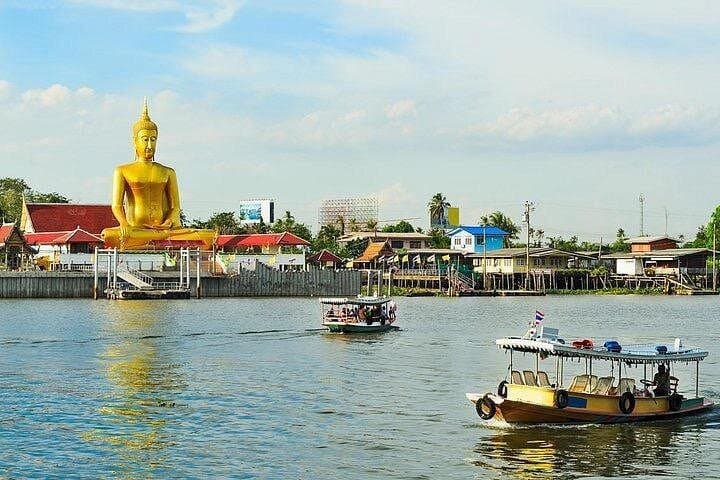
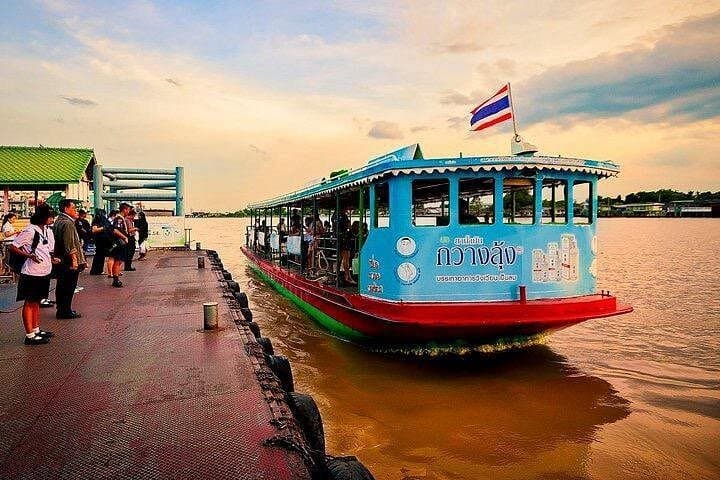

The Chao Phraya presses against the boat’s hull and dares you to look away as the skyline of central Bangkok softens into riverside stilt houses and low green banks. In less than 90 minutes the city’s concrete roar gives way to the gentle clicks of bicycle chains and the soft clack of pottery on clay wheels — this is Ko Kret, a small man‑made island where Mon culture still shapes everyday life.
The Chao Phraya presses against the boat’s hull and dares you to look away as the skyline of central Bangkok softens into riverside stilt houses and low green banks. In less than 90 minutes the city’s concrete roar gives way to the gentle clicks of bicycle chains and the soft clack of pottery on clay wheels — this is Ko Kret, a small man‑made island where Mon culture still shapes everyday life.
Ko Kret grew from a 18th–19th century canal project and became a Mon enclave after waves of migration; Wat Poramai Yikawat’s leaning chedi is a visible link to that history. Geologically the island is river alluvium, famously car‑free and threaded by narrow lanes suited to bikes and motorbikes. Visitors encounter open-air pottery studios, low wooden homes, and riverside restaurants where steamed fish and papaya salad arrive steaming.
Expect a balanced day: a Chaophraya speedboat transfer, a guided walking loop, a short taxi hop and a bicycle circuit around the island, pottery demonstration and a 30‑minute Thai foot or neck-and-shoulder massage, plus a riverside lunch. Terrain is flat, mostly packed dirt and paved lanes; shade is intermittent. Bring sun protection, comfortable shoes for short walks, and a light rain layer in wet season. Photography windows are best in morning or late afternoon when the river slows and light warms the clay pottery.
Plan for about eight hours door‑to‑door from Saphan Taksin; cash for small purchases helps support local artisans. Move deliberately and respectfully — Ko Kret rewards visitors who pay attention to craft, food and the slow rhythm of river life.