THE ADVENTURE COLLECTIVE® · Independent discovery and booking for outdoor travel

Spend a full day exploring Kobe’s coastal art aquarium, historic Kitano mansions, Meriken Park harborfront and the panoramic heights of Mt. Rokko. This guided route balances easy urban strolling with a refreshing mountain finish.
Spend a full day exploring Kobe’s coastal art aquarium, historic Kitano mansions, Meriken Park harborfront and the panoramic heights of Mt. Rokko. This guided route balances easy urban strolling with a refreshing mountain finish.
Morning light slides across Osaka Bay and the city exhales—salted air pulling you toward a day that balances sea-breeze calm with uphill panorama.
Verified experiences and guided adventures in the surrounding area.
Operated by HopGo Japan · Kobe, Hyogo
Morning light slides across Osaka Bay and the city exhales—salted air pulling you toward a day that balances sea-breeze calm with uphill panorama.
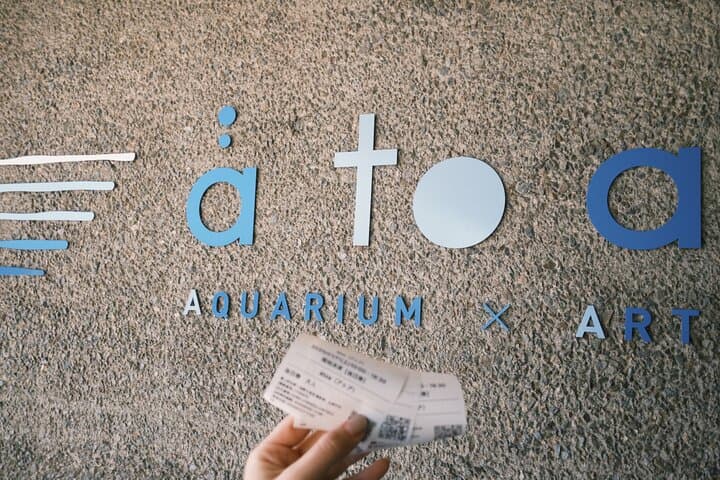
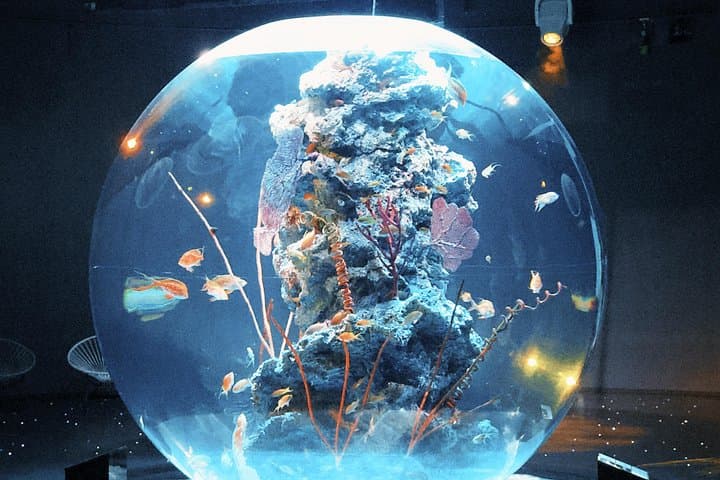
You begin at Atoa, Kobe’s theater-style aquarium, where schools of fish move like choreographed crowds beneath shifting light installations. From there the tour threads up into Kitano Ijinkan-Gai: 19th-century Western mansions that speak to Kobe’s rebirth as an international port in the Meiji era, their brickwork and iron balconies holding stories of traders, diplomats, and new tastes.
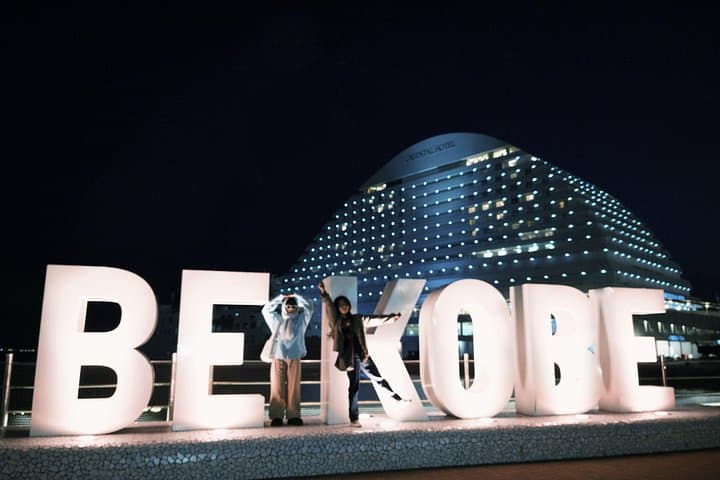
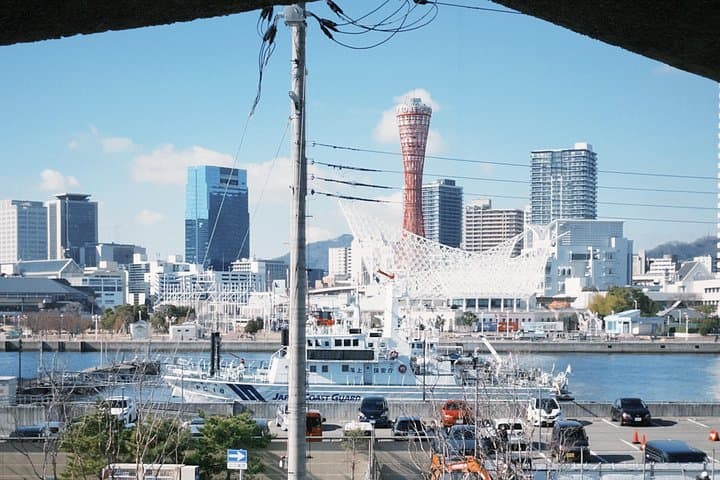
The waterfront at Meriken Park offers a different tempo: open sky, harbor cranes, and the sculpted forms of modern memorials that mark Kobe’s resilience after the 1995 earthquake. The day finishes with an ascent of Mt. Rokko—its slopes cool and resolute—where city lights and ocean glitter reveal why Rokko’s night view ranks among Japan’s best.
Geology and culture intersect here. Rokko’s granite ridges and lush forest floor contrast with reclaimed port land; the city’s layout is an outward sign of its maritime history. Locally, cuisine follows the sea and the cow—Kobe beef and fresh seafood anchor lunch options along the route.
Practical notes: expect roughly 8 hours, moderate walking on paved streets and viewing platforms, and a short uphill transit to Rokko’s summit (cable car and bus options available). Bring a light layer, good walking shoes, and a camera with a steady strap for windy viewpoints. Allow time for optional museum stops and local snacks—this itinerary blends accessible sightseeing with moments that reward slower attention.
Atoa admission is generally not included; Mt. Rokko summit access is often covered depending on the operator—check your booking details before travel.
Many central and waterfront areas are wheelchair accessible, and transportation options note accessibility, but some historic houses may have steps—ask the provider about specific sites.
Lunch recommendations vary; harborfront eateries near Meriken Park and small Izakayas in Sannomiya offer fresh seafood and local Kobe specialties—allow time to sample rather than rush.
This particular itinerary is daytime and lasts about eight hours; night-view visits are possible but require a separate evening plan due to timing and transport schedules.
HopGo Japan operates guided outdoor trips and adventures with an emphasis on safety, stewardship, and memorable experiences.
Morning light slides across Osaka Bay and the city exhales—salted air pulling you toward a day that balances sea-breeze calm with uphill panorama.
Morning light slides across Osaka Bay and the city exhales—salted air pulling you toward a day that balances sea-breeze calm with uphill panorama.
You begin at Atoa, Kobe’s theater-style aquarium, where schools of fish move like choreographed crowds beneath shifting light installations. From there the tour threads up into Kitano Ijinkan-Gai: 19th-century Western mansions that speak to Kobe’s rebirth as an international port in the Meiji era, their brickwork and iron balconies holding stories of traders, diplomats, and new tastes.
The waterfront at Meriken Park offers a different tempo: open sky, harbor cranes, and the sculpted forms of modern memorials that mark Kobe’s resilience after the 1995 earthquake. The day finishes with an ascent of Mt. Rokko—its slopes cool and resolute—where city lights and ocean glitter reveal why Rokko’s night view ranks among Japan’s best.
Geology and culture intersect here. Rokko’s granite ridges and lush forest floor contrast with reclaimed port land; the city’s layout is an outward sign of its maritime history. Locally, cuisine follows the sea and the cow—Kobe beef and fresh seafood anchor lunch options along the route.
Practical notes: expect roughly 8 hours, moderate walking on paved streets and viewing platforms, and a short uphill transit to Rokko’s summit (cable car and bus options available). Bring a light layer, good walking shoes, and a camera with a steady strap for windy viewpoints. Allow time for optional museum stops and local snacks—this itinerary blends accessible sightseeing with moments that reward slower attention.