THE ADVENTURE COLLECTIVE® · Independent discovery and booking for outdoor travel

Taste the legacy of Rokko’s water and Kobe’s international architecture on a full-day tour from Osaka that pairs Kitano’s foreign residences with guided visits to Nada’s historic breweries. Expect museum tours, brewery tastings, and short walks between transit hubs.
Taste the legacy of Rokko’s water and Kobe’s international architecture on a full-day tour from Osaka that pairs Kitano’s foreign residences with guided visits to Nada’s historic breweries. Expect museum tours, brewery tastings, and short walks between transit hubs.
You step off the train at Sannomiya and the city exhales—tidy streets, a cool hint of sea, and the distant ridge of Mount Rokko directing the water that makes Nada’s sake famous.
Verified experiences and guided adventures in the surrounding area.
Operated by MY Travel Consulting · Kobe, Hyogo
You step off the train at Sannomiya and the city exhales—tidy streets, a cool hint of sea, and the distant ridge of Mount Rokko directing the water that makes Nada’s sake famous.
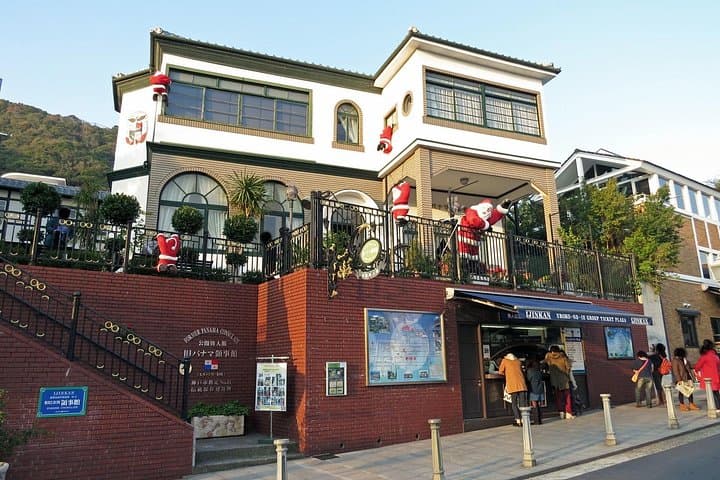
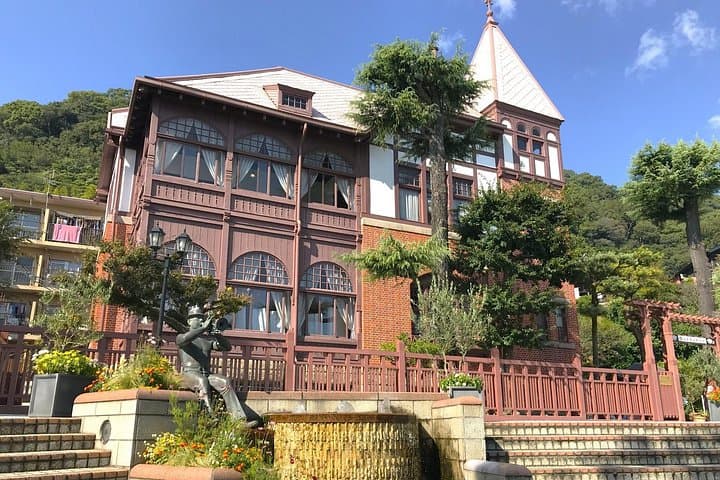
The tour moves between two moods: the Kitano Ijinkan, where cedar staircases and Victorian facades record Kobe’s late-19th‑century opening to the world, and Nada Gogo, where limestone-filtered Rokko spring water and short, cold winters shaped a sake culture built on rice, koji and patient timing.
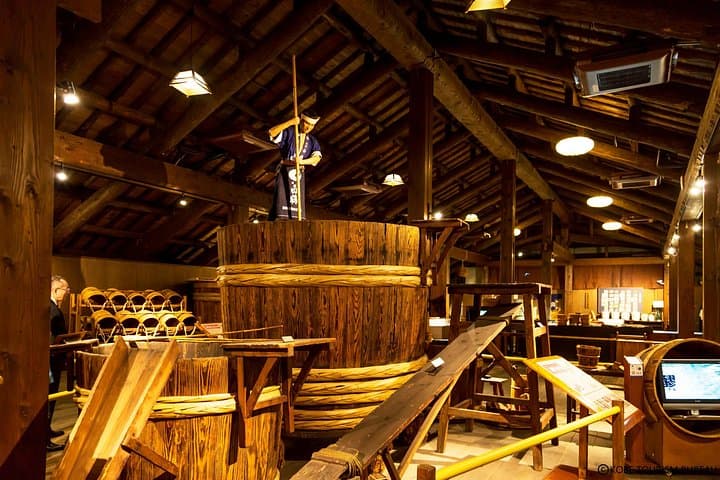
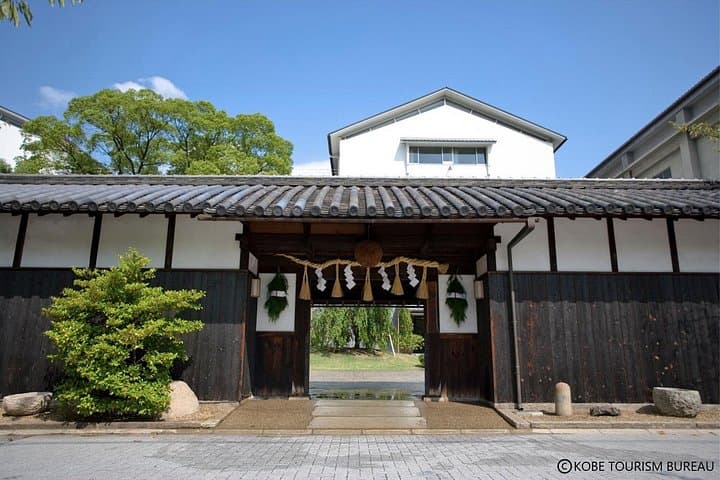
At the Sawanotsuru and Hakutsuru museums, machinery and wooden tools sit beside explanatory displays of milling ratios, fermentation tanks and the koji’s bright aroma—small, sensory lessons in how polishing and water quality push a brew toward dry, fragrant, or umami-rich profiles. Brewery cellars are cool; wooden masu and cedar barrels still hold the scent of past batches. Guides usually explain terms like nama, ginjo and junmai while you taste—sip slowly to perceive acidity, rice-derived sweetness and the mineral thread Rokko lends.
Practicalities matter: this is a full-day, moderately paced tour with several short walks between stations and museum spaces. Bring photo ID for tastings, wear comfortable shoes, and pace yourself—two breweries typically fit into the itinerary. Note museum closures during Obon/New Year; operators adapt the route then.
By evening you’ll return to Osaka with a clearer palate and the kind of cultural context that turns a bottle label into a map of land, water and labor.
This full-day private tour runs about eight hours, departing from Osaka (typically Osaka Station) with return to Osaka after visiting Kobe and Nada breweries.
Tastings are included but only guests 21 or older (per operator policy) will be served alcoholic drinks; minors receive non‑alcoholic samples.
Yes—vegetarian, vegan and gluten‑free requests can be accommodated if noted at booking for any food stops.
The operator adjusts the itinerary—alternate brewery visits or cultural sites in the Kitano district are substituted when a museum is closed for holidays.
MY Travel Consulting operates guided outdoor trips and adventures with an emphasis on safety, stewardship, and memorable experiences.
You step off the train at Sannomiya and the city exhales—tidy streets, a cool hint of sea, and the distant ridge of Mount Rokko directing the water that makes Nada’s sake famous.
You step off the train at Sannomiya and the city exhales—tidy streets, a cool hint of sea, and the distant ridge of Mount Rokko directing the water that makes Nada’s sake famous.
The tour moves between two moods: the Kitano Ijinkan, where cedar staircases and Victorian facades record Kobe’s late-19th‑century opening to the world, and Nada Gogo, where limestone-filtered Rokko spring water and short, cold winters shaped a sake culture built on rice, koji and patient timing.
At the Sawanotsuru and Hakutsuru museums, machinery and wooden tools sit beside explanatory displays of milling ratios, fermentation tanks and the koji’s bright aroma—small, sensory lessons in how polishing and water quality push a brew toward dry, fragrant, or umami-rich profiles. Brewery cellars are cool; wooden masu and cedar barrels still hold the scent of past batches. Guides usually explain terms like nama, ginjo and junmai while you taste—sip slowly to perceive acidity, rice-derived sweetness and the mineral thread Rokko lends.
Practicalities matter: this is a full-day, moderately paced tour with several short walks between stations and museum spaces. Bring photo ID for tastings, wear comfortable shoes, and pace yourself—two breweries typically fit into the itinerary. Note museum closures during Obon/New Year; operators adapt the route then.
By evening you’ll return to Osaka with a clearer palate and the kind of cultural context that turns a bottle label into a map of land, water and labor.