THE ADVENTURE COLLECTIVE® · Independent discovery and booking for outdoor travel

Move through Kobe’s Nada breweries on a private, fast-paced tasting route that visits six top producers in one day. Expect museum exhibits, guided tastings, and practical reminders about pacing and transport.
Move through Kobe’s Nada breweries on a private, fast-paced tasting route that visits six top producers in one day. Expect museum exhibits, guided tastings, and practical reminders about pacing and transport.
You step off the train into Nada and the air changes—cool mountain water pushed down from Mount Rokkō feels like an ingredient itself, and the low, steady hum of tanks and conveyors punctuates the neighborhood.
Verified experiences and guided adventures in the surrounding area.
Operated by DeepExperience · Kobe, Hyogo
You step off the train into Nada and the air changes—cool mountain water pushed down from Mount Rokkō feels like an ingredient itself, and the low, steady hum of tanks and conveyors punctuates the neighborhood.
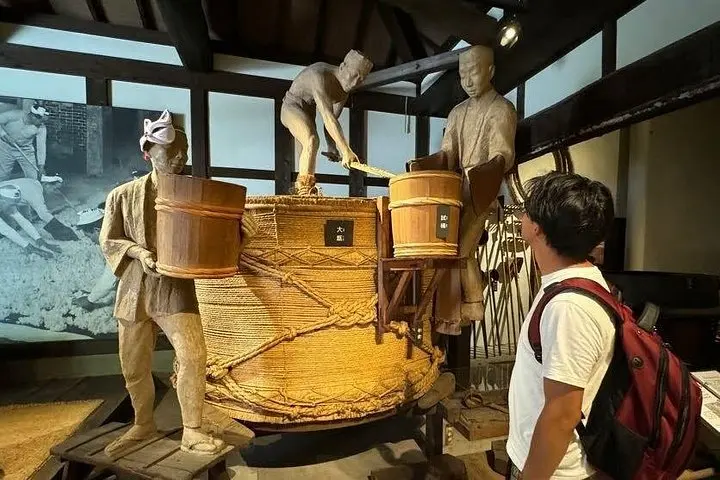
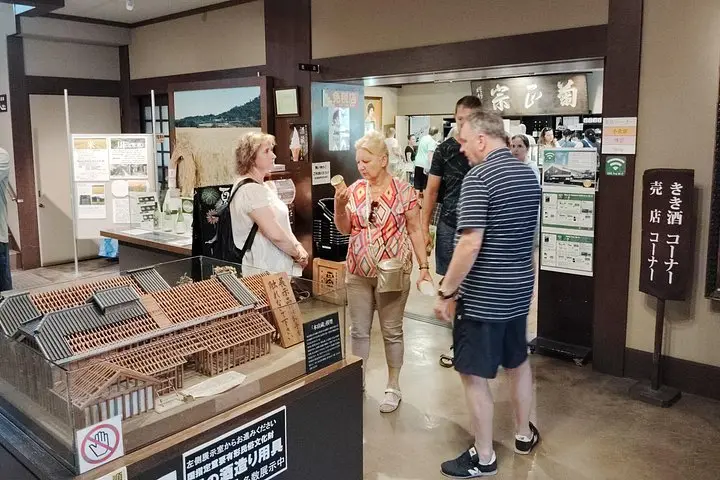
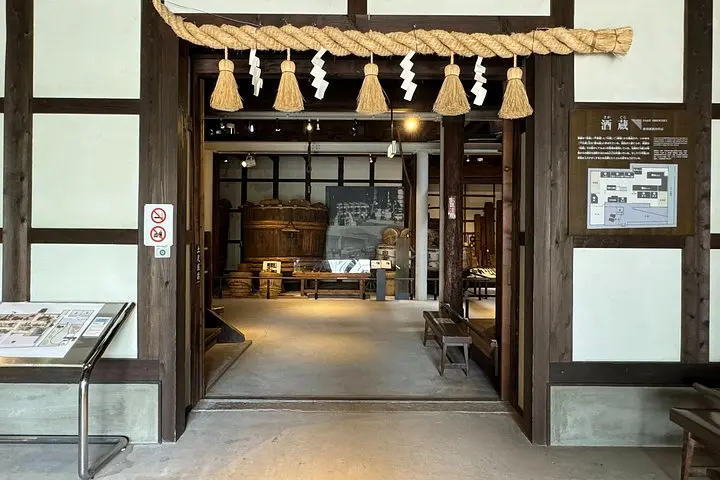
This private, full-day tour moves through the Nada Five districts of Hyōgo Prefecture, where centuries of brewing know-how meet modern precision. Historically, Nada earned its reputation because of hard water from Rokkō, winter winds that favor fermentation, and rice supplies from nearby fields. Many family breweries here evolved from small rural operations into industrial-scale masters, and several have converted warehouses into museums that preserve wooden tools, press frames, and original bottles.
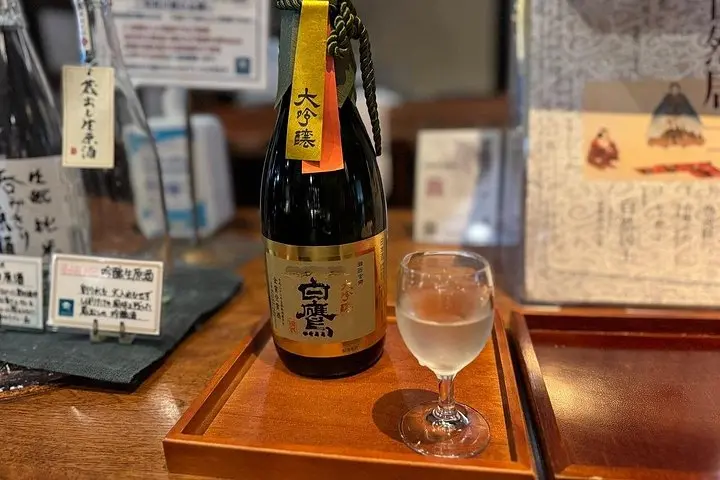
Culturally, tastings are a lesson in restraint—sip, inhale rice, note acidity and umami—while brewery staff explain koji cultivation, yeast strains, and polishing ratios that define ginjo and junmai. Local food stalls and small restaurants offer simple pairings: grilled fish, oden, or light sushi that point up sake’s versatility.
Practical guidance: this itinerary is long (about 6½ hours), so pace your tastings and hydrate between stops; public transit and the tour’s accessible transport make logistics simple, but don’t plan to drive afterward. Bring a small daypack, wear comfortable shoes for short factory walks, and carry ID—the legal drinking age in Japan is 20. Summer can be humid inside fermentation rooms; winter brings crisp air that sharpens aromas. Book in advance for private tours and notify hosts about mobility needs.
Experience here is as much about water and technique as it is flavor—expect education, robust regional character, and plenty of tasting notes to take home.
The private tour runs about 6½ hours and includes guided visits and tastings at six breweries across the Nada districts.
Yes—private transport is included to move the group between stops; public transport access is also nearby for independent travelers.
Minors under 20 may join but will be served non-alcoholic drinks; adult participants must present valid ID to taste alcohol.
Most included sites and the transportation are wheelchair accessible, but check with the operator about specific mobility needs in advance.
DeepExperience operates guided outdoor trips and adventures with an emphasis on safety, stewardship, and memorable experiences.
You step off the train into Nada and the air changes—cool mountain water pushed down from Mount Rokkō feels like an ingredient itself, and the low, steady hum of tanks and conveyors punctuates the neighborhood.
You step off the train into Nada and the air changes—cool mountain water pushed down from Mount Rokkō feels like an ingredient itself, and the low, steady hum of tanks and conveyors punctuates the neighborhood.
This private, full-day tour moves through the Nada Five districts of Hyōgo Prefecture, where centuries of brewing know-how meet modern precision. Historically, Nada earned its reputation because of hard water from Rokkō, winter winds that favor fermentation, and rice supplies from nearby fields. Many family breweries here evolved from small rural operations into industrial-scale masters, and several have converted warehouses into museums that preserve wooden tools, press frames, and original bottles.
Culturally, tastings are a lesson in restraint—sip, inhale rice, note acidity and umami—while brewery staff explain koji cultivation, yeast strains, and polishing ratios that define ginjo and junmai. Local food stalls and small restaurants offer simple pairings: grilled fish, oden, or light sushi that point up sake’s versatility.
Practical guidance: this itinerary is long (about 6½ hours), so pace your tastings and hydrate between stops; public transit and the tour’s accessible transport make logistics simple, but don’t plan to drive afterward. Bring a small daypack, wear comfortable shoes for short factory walks, and carry ID—the legal drinking age in Japan is 20. Summer can be humid inside fermentation rooms; winter brings crisp air that sharpens aromas. Book in advance for private tours and notify hosts about mobility needs.
Experience here is as much about water and technique as it is flavor—expect education, robust regional character, and plenty of tasting notes to take home.