THE ADVENTURE COLLECTIVE® · Independent discovery and booking for outdoor travel

Walk from urban streets into forest spray and old carpentry tools on a private day tour of Kobe. Visit Nunobiki Falls, the Takenaka Carpentry Tools Museum, Ikuta Shrine, Kitano craft studios, and Sorakuen Garden with a local guide.
Walk from urban streets into forest spray and old carpentry tools on a private day tour of Kobe. Visit Nunobiki Falls, the Takenaka Carpentry Tools Museum, Ikuta Shrine, Kitano craft studios, and Sorakuen Garden with a local guide.
You step off the city grid into a pocket where sea-air and mountain-scent cross paths—Kobe’s slopes rise quickly from the harbor and the day becomes a string of short, revealing walks. The tour opens with Nunobiki Falls, where water carves its presence into the rock and the forest seems to lean in, watching you pass.
Verified experiences and guided adventures in the surrounding area.
Operated by OTOMO Travel Guide · Kobe, Hyogo
You step off the city grid into a pocket where sea-air and mountain-scent cross paths—Kobe’s slopes rise quickly from the harbor and the day becomes a string of short, revealing walks. The tour opens with Nunobiki Falls, where water carves its presence into the rock and the forest seems to lean in, watching you pass.
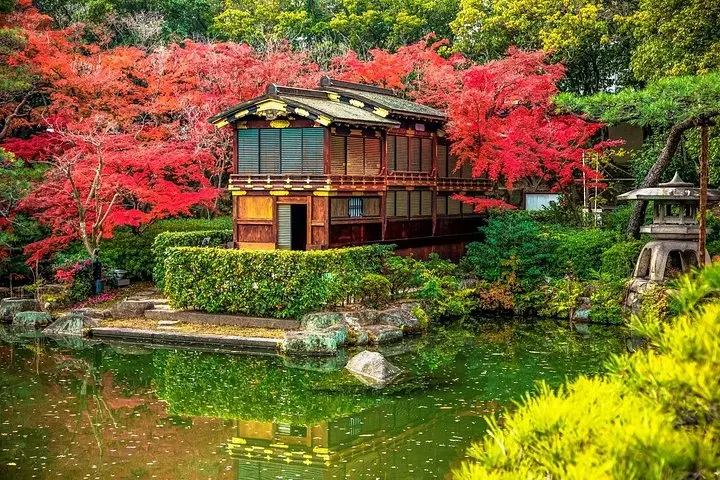
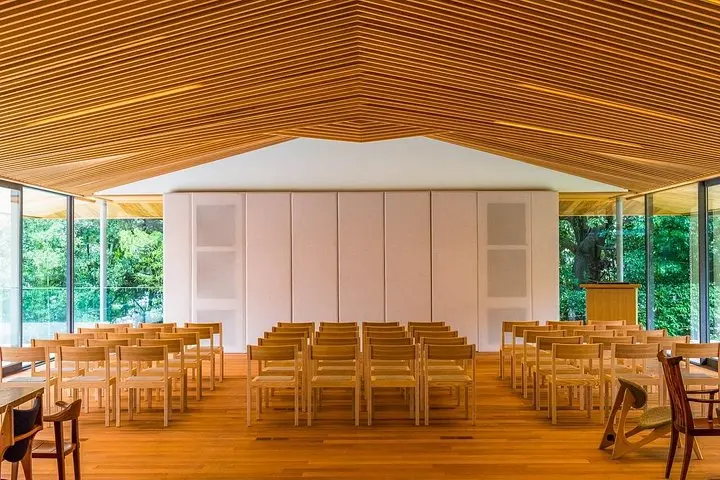
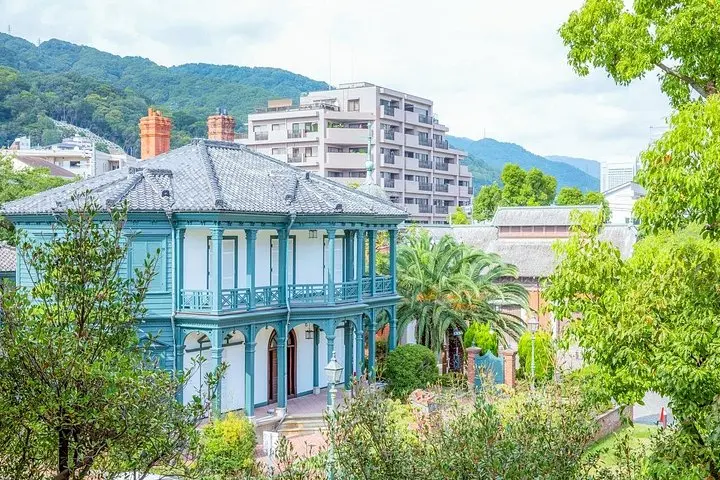
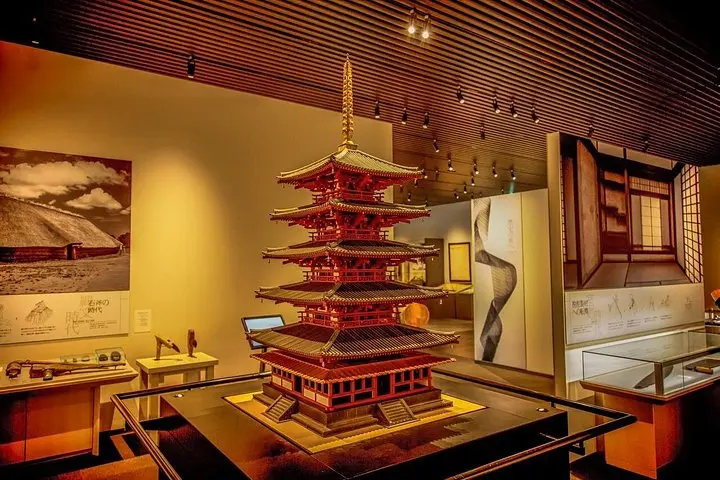
Kobe’s story is both maritime and mountain-born: an international port that absorbed foreign styles in the late 19th century and a place where woodcraft and shrine culture grew side by side. At the Takenaka Carpentry Tools Museum you’ll handle the tools that framed Japanese timber architecture—breaches against mass production that show how technique sets rhythm in wood. Kitano and Sorakuen carry vestiges of western-influenced architecture and Edo-period garden design; Ikuta Shrine anchors the city’s deeper spiritual history.
This private, 5–6 hour route balances short hikes and cultural stops. Expect paved city walking, a maintained trail approach to the falls (steep in places), museum rooms, and the gravel paths of a classic Japanese garden. Bring comfortable shoes, a full water bottle, and ¥4,000–¥5,000 extra for entrance and local transit. If rain is heavy Nunobiki Falls may be skipped for safety—confirm with your guide.
Timing matters: start mid-morning to avoid shrine crowds and match golden light at Sorakuen’s water features. Move deliberately—the day is about quiet craft, seasonal color, and the steady presence of working nature that nudges the city awake.
The tour lasts about 5–6 hours; it typically begins in central Kobe (Sannomiya area) and ends at a different location—confirm the finish with your guide.
Entrance fees and local transport are not included; plan to bring around ¥4,000–¥5,000 per person for admissions and transit.
No—if heavy rain creates unsafe trail or waterfall conditions, Nunobiki Falls may be skipped for safety reasons.
The tour notes stroller accessibility for urban sections, but the falls trail has steps and steep parts that are not stroller-friendly.
OTOMO Travel Guide operates guided outdoor trips and adventures with an emphasis on safety, stewardship, and memorable experiences.
You step off the city grid into a pocket where sea-air and mountain-scent cross paths—Kobe’s slopes rise quickly from the harbor and the day becomes a string of short, revealing walks. The tour opens with Nunobiki Falls, where water carves its presence into the rock and the forest seems to lean in, watching you pass.
You step off the city grid into a pocket where sea-air and mountain-scent cross paths—Kobe’s slopes rise quickly from the harbor and the day becomes a string of short, revealing walks. The tour opens with Nunobiki Falls, where water carves its presence into the rock and the forest seems to lean in, watching you pass.
Kobe’s story is both maritime and mountain-born: an international port that absorbed foreign styles in the late 19th century and a place where woodcraft and shrine culture grew side by side. At the Takenaka Carpentry Tools Museum you’ll handle the tools that framed Japanese timber architecture—breaches against mass production that show how technique sets rhythm in wood. Kitano and Sorakuen carry vestiges of western-influenced architecture and Edo-period garden design; Ikuta Shrine anchors the city’s deeper spiritual history.
This private, 5–6 hour route balances short hikes and cultural stops. Expect paved city walking, a maintained trail approach to the falls (steep in places), museum rooms, and the gravel paths of a classic Japanese garden. Bring comfortable shoes, a full water bottle, and ¥4,000–¥5,000 extra for entrance and local transit. If rain is heavy Nunobiki Falls may be skipped for safety—confirm with your guide.
Timing matters: start mid-morning to avoid shrine crowds and match golden light at Sorakuen’s water features. Move deliberately—the day is about quiet craft, seasonal color, and the steady presence of working nature that nudges the city awake.