THE ADVENTURE COLLECTIVE® · Independent discovery and booking for outdoor travel

A short drive from Colombo, Kodigahakanda serves up a compact, forested crag with bolted routes for beginners and punchy lines for experienced climbers. Guided sessions include gear, coaching, and local insight—perfect for a disciplined half-day of vertical practice.
A short drive from Colombo, Kodigahakanda serves up a compact, forested crag with bolted routes for beginners and punchy lines for experienced climbers. Guided sessions include gear, coaching, and local insight—perfect for a disciplined half-day of vertical practice.
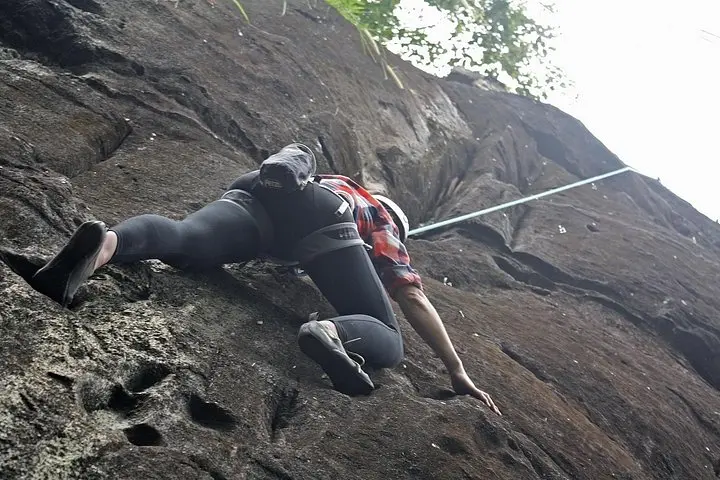
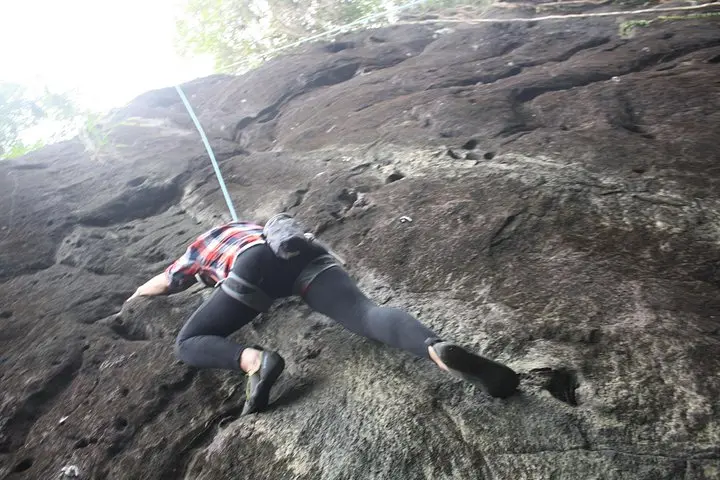
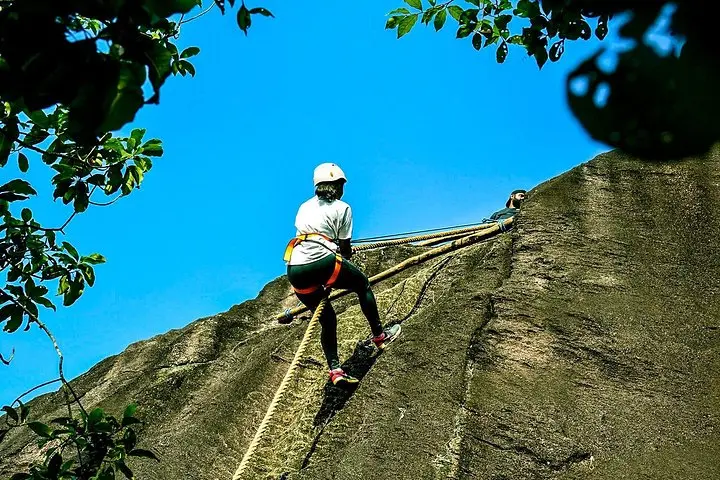
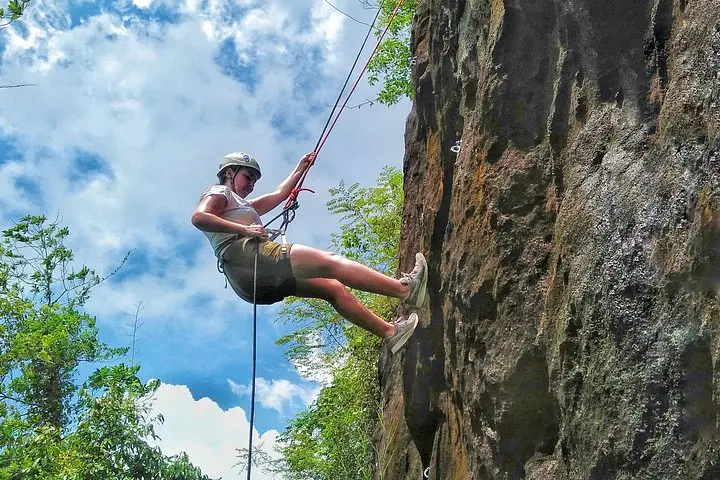
You arrive at the foot of a blunt, forested crag with a humid breeze that smells of earth and tea leaves. The rock rises from a corridor of palm and jackfruit trees—vertical streaks of gray and brown that catch morning light like a scratched mirror. Guides tighten harnesses, hand over helmets and shoes, and break the quiet into practical rhythm: knots, belays, voices steady against the scrub and distant traffic toward Colombo.
Verified experiences and guided adventures in the surrounding area.
Operated by Lakpura LLC · Horana, Western Province
You arrive at the foot of a blunt, forested crag with a humid breeze that smells of earth and tea leaves. The rock rises from a corridor of palm and jackfruit trees—vertical streaks of gray and brown that catch morning light like a scratched mirror. Guides tighten harnesses, hand over helmets and shoes, and break the quiet into practical rhythm: knots, belays, voices steady against the scrub and distant traffic toward Colombo.
Kodigahakanda sits roughly 40 km southeast of Colombo Fort, a 90-minute swing through paddy plains and rubber plantations. It’s not a showpiece cliffline; it’s a compact, rugged outcrop carved from hard metamorphic gneiss with occasional granite faces—rock that bites chalk and pushes edges. Locals have long known these boulders as markers on pilgrimage routes and as places where monsoon rains carve temporary waterfalls down the faces. The climb routes here have been bolted and graded for sport climbing, offering eight established lines ranging from French 5C to 7B—accessible challenges for beginners with a guide and tempting projects for experienced climbers.
Culturally the area is quietly rural: small temples punctuate the approach roads, and vendors sell fresh coconut and sweet pani pol at junctions. The guides who run the trips are typically Colombo-based climbers who moved into instruction to open outdoor access—English friendly, safety-focused, and practical about conditions. Conservation in the area is informal but present; climbers are asked to pack out trash and avoid altering vegetation on the approach to preserve the thin soil and endemic undergrowth.
Practicalities are straightforward. Sessions run morning (8:00–12:00) and afternoon (13:00–17:00) with the delivered activity itself taking around 1.5–2 hours on the rock. The operator provides climbing shoes, helmets, harnesses, a water bottle and first aid. Expect a brief skills briefing, top-rope setups on easier lines, and guide-led lead or top-rope coaching on harder routes. The meeting point in Horana is at 371/A Pinnakolawaththa, Gonapola Junction—plan for a 1.5-hour transfer from central Colombo in typical traffic.
Tips for a clean day on the crag: arrive hydrated and salted, wear breathable long pants to protect legs from scrub, and bring a light wind or rain layer—tropical showers can appear without warning. Sunscreen and insect repellent are useful for exposed approaches. If you’re new to climbing, communicate medical limitations in advance; the guides will tailor route selection but require a moderate fitness baseline. Cancellation is allowed up to 24 hours before departure.
Kodigahakanda rewards steady focus rather than spectacle: tight sequences, textured holds, and the soft green hush of the surrounding forest. It’s an efficient, honest day of climbing within reach of the city—a compact outdoor curriculum that leaves you stronger, a little dirtier, and ready to come back for the next route.
No—beginners are welcome; guides will teach knots, belay technique, and route strategy. A basic level of fitness is required.
The meeting point at Pinnakolawaththa, Gonapola Junction in Horana is about 40 km (1–1.5 hours) from Colombo Fort by car; public transport options exist but private transfer is recommended for timing.
There are eight bolted routes ranging from approximately French 5C to 7B—options for learners to practice and for climbers to challenge themselves.
Yes—climbing shoes, helmets, harnesses, and other climbing gear are provided, along with an English-speaking guide and a water bottle.
Families are possible if children meet the minimum strength and not on contraindicated conditions; discuss ages and abilities with the operator when booking.
Full refunds are available if you cancel at least 24 hours before the scheduled start time.
Lakpura LLC operates guided outdoor trips and adventures with an emphasis on safety, stewardship, and memorable experiences.
You arrive at the foot of a blunt, forested crag with a humid breeze that smells of earth and tea leaves. The rock rises from a corridor of palm and jackfruit trees—vertical streaks of gray and brown that catch morning light like a scratched mirror. Guides tighten harnesses, hand over helmets and shoes, and break the quiet into practical rhythm: knots, belays, voices steady against the scrub and distant traffic toward Colombo.
You arrive at the foot of a blunt, forested crag with a humid breeze that smells of earth and tea leaves. The rock rises from a corridor of palm and jackfruit trees—vertical streaks of gray and brown that catch morning light like a scratched mirror. Guides tighten harnesses, hand over helmets and shoes, and break the quiet into practical rhythm: knots, belays, voices steady against the scrub and distant traffic toward Colombo.
Kodigahakanda sits roughly 40 km southeast of Colombo Fort, a 90-minute swing through paddy plains and rubber plantations. It’s not a showpiece cliffline; it’s a compact, rugged outcrop carved from hard metamorphic gneiss with occasional granite faces—rock that bites chalk and pushes edges. Locals have long known these boulders as markers on pilgrimage routes and as places where monsoon rains carve temporary waterfalls down the faces. The climb routes here have been bolted and graded for sport climbing, offering eight established lines ranging from French 5C to 7B—accessible challenges for beginners with a guide and tempting projects for experienced climbers.
Culturally the area is quietly rural: small temples punctuate the approach roads, and vendors sell fresh coconut and sweet pani pol at junctions. The guides who run the trips are typically Colombo-based climbers who moved into instruction to open outdoor access—English friendly, safety-focused, and practical about conditions. Conservation in the area is informal but present; climbers are asked to pack out trash and avoid altering vegetation on the approach to preserve the thin soil and endemic undergrowth.
Practicalities are straightforward. Sessions run morning (8:00–12:00) and afternoon (13:00–17:00) with the delivered activity itself taking around 1.5–2 hours on the rock. The operator provides climbing shoes, helmets, harnesses, a water bottle and first aid. Expect a brief skills briefing, top-rope setups on easier lines, and guide-led lead or top-rope coaching on harder routes. The meeting point in Horana is at 371/A Pinnakolawaththa, Gonapola Junction—plan for a 1.5-hour transfer from central Colombo in typical traffic.
Tips for a clean day on the crag: arrive hydrated and salted, wear breathable long pants to protect legs from scrub, and bring a light wind or rain layer—tropical showers can appear without warning. Sunscreen and insect repellent are useful for exposed approaches. If you’re new to climbing, communicate medical limitations in advance; the guides will tailor route selection but require a moderate fitness baseline. Cancellation is allowed up to 24 hours before departure.
Kodigahakanda rewards steady focus rather than spectacle: tight sequences, textured holds, and the soft green hush of the surrounding forest. It’s an efficient, honest day of climbing within reach of the city—a compact outdoor curriculum that leaves you stronger, a little dirtier, and ready to come back for the next route.