THE ADVENTURE COLLECTIVE® · Independent discovery and booking for outdoor travel

A full-day excursion from Siem Reap that pairs the overgrown grandeur of Beng Mealea with the remote temple town of Koh Ker. Ideal for travelers who want a quieter, more exploratory temple experience away from Angkor's busiest sites.
A full-day excursion from Siem Reap that pairs the overgrown grandeur of Beng Mealea with the remote temple town of Koh Ker. Ideal for travelers who want a quieter, more exploratory temple experience away from Angkor's busiest sites.
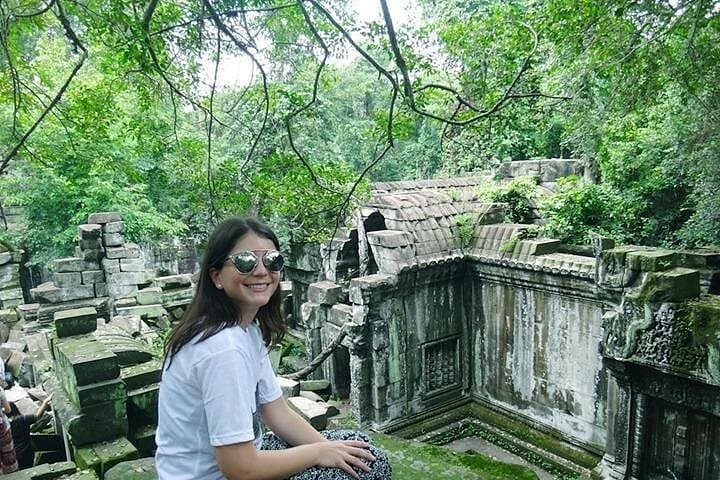
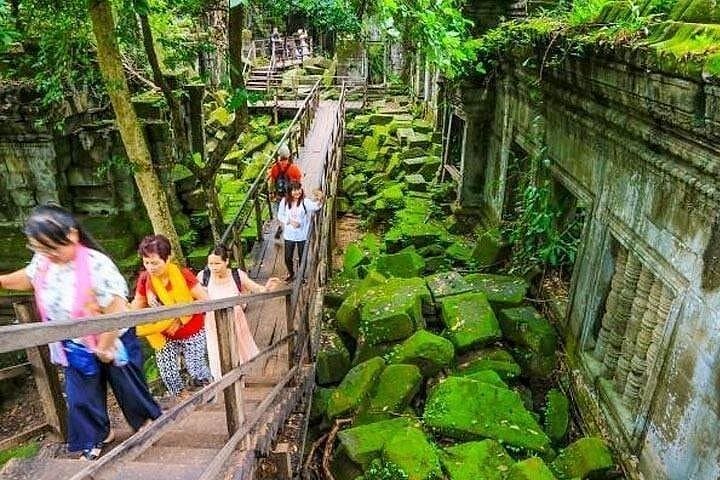
You step out of the minivan into a humid wash of air and trees; the road behind you folds into rice paddies while a ruined tower rises through a lattice of roots and vines. At Beng Mealea the sandstone blocks lie in deliberate chaos—collapsed walls, fallen lintels and trees pushing through doorways—inviting exploration rather than polished viewing.
Verified experiences and guided adventures in the surrounding area.
Operated by Angkor Focus Travel · Siem Reap, Siem Reap Province
You step out of the minivan into a humid wash of air and trees; the road behind you folds into rice paddies while a ruined tower rises through a lattice of roots and vines. At Beng Mealea the sandstone blocks lie in deliberate chaos—collapsed walls, fallen lintels and trees pushing through doorways—inviting exploration rather than polished viewing.
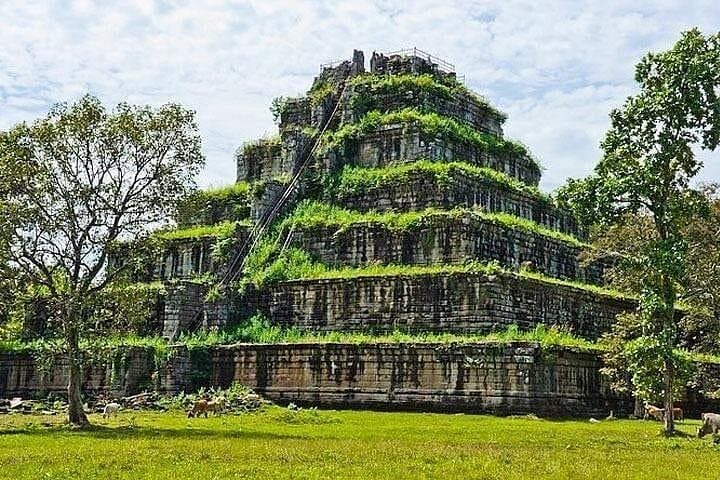
Both sites speak to different chapters of Khmer history. Beng Mealea, built in the 12th century in the style of Angkor Wat, remains largely unrestored with collapsed central towers and vegetation-clad galleries. Koh Ker, once a short-lived capital under Jayavarman IV in the 10th century, sits farther north and is dominated by a pyramidal Prasat Thom and scattered temple towns across scrub forest.
Geologically the temples are sandstone on a laterite foundation; erosion, root growth and seasonal rain shape how you move through them. Culturally you'll pass through small farming villages and see roadside shrines, with local vendors near entrances. Expect long drives—Beng Mealea sits roughly 40 km east of Siem Reap while Koh Ker is a longer haul to the northeast—making this a full-day outing that rewards patience with solitude and scale.
Practical guidance: wear sturdy, grippy shoes for uneven sandstone and loose blocks, bring 2–3 liters of water, sun protection and insect repellent, and carry local currency for entry fees (admission typically not included). Aim for early departure to avoid midday heat and allow time to wander safely through unrepaired ruins.
Most join-in tours do not include temple admission; expect to pay separate fees at each site in local currency.
Beng Mealea is about a 1–1.5 hour drive (≈40 km) while Koh Ker is a longer transfer, often around 2–3 hours each way depending on road conditions (≈100–120 km to the northeast).
Older children used to long car journeys and uneven walking can manage it, but the tour involves long drives and rough terrain so supervise closely and consider shorter alternatives for young kids.
Many areas are unrestored with unstable stones; you can walk through most parts but avoid climbing unstable piles and follow any site signage or guide instructions.
Angkor Focus Travel operates guided outdoor trips and adventures with an emphasis on safety, stewardship, and memorable experiences.

You step out of the minivan into a humid wash of air and trees; the road behind you folds into rice paddies while a ruined tower rises through a lattice of roots and vines. At Beng Mealea the sandstone blocks lie in deliberate chaos—collapsed walls, fallen lintels and trees pushing through doorways—inviting exploration rather than polished viewing.
You step out of the minivan into a humid wash of air and trees; the road behind you folds into rice paddies while a ruined tower rises through a lattice of roots and vines. At Beng Mealea the sandstone blocks lie in deliberate chaos—collapsed walls, fallen lintels and trees pushing through doorways—inviting exploration rather than polished viewing.
Both sites speak to different chapters of Khmer history. Beng Mealea, built in the 12th century in the style of Angkor Wat, remains largely unrestored with collapsed central towers and vegetation-clad galleries. Koh Ker, once a short-lived capital under Jayavarman IV in the 10th century, sits farther north and is dominated by a pyramidal Prasat Thom and scattered temple towns across scrub forest.
Geologically the temples are sandstone on a laterite foundation; erosion, root growth and seasonal rain shape how you move through them. Culturally you'll pass through small farming villages and see roadside shrines, with local vendors near entrances. Expect long drives—Beng Mealea sits roughly 40 km east of Siem Reap while Koh Ker is a longer haul to the northeast—making this a full-day outing that rewards patience with solitude and scale.
Practical guidance: wear sturdy, grippy shoes for uneven sandstone and loose blocks, bring 2–3 liters of water, sun protection and insect repellent, and carry local currency for entry fees (admission typically not included). Aim for early departure to avoid midday heat and allow time to wander safely through unrepaired ruins.